IEA says battery storage was the fastest-growing power technology in 2025
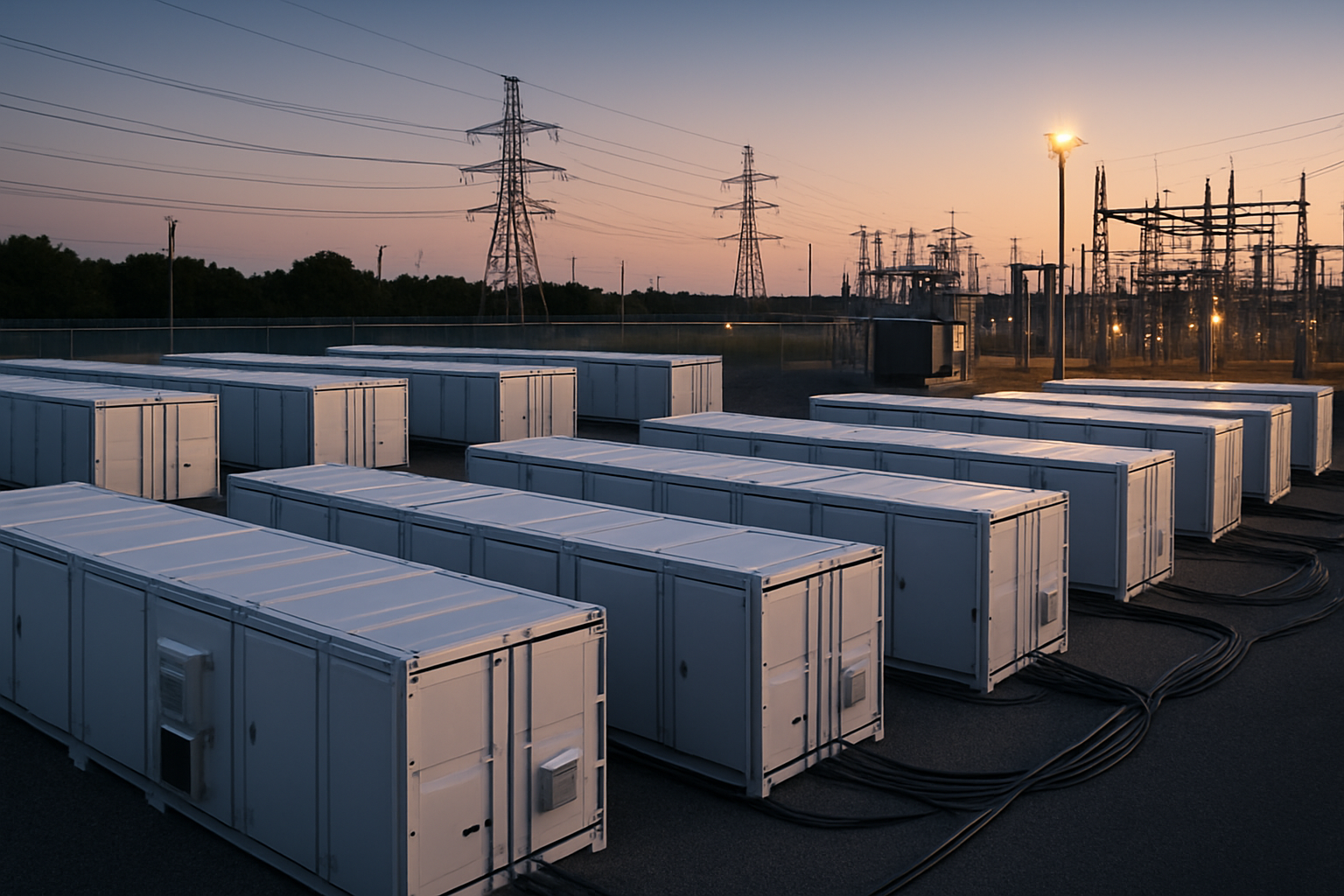
Battery storage was the fastest-growing power technology in the world in 2025, according to a new International Energy Agency assessment published on April 20, 2026. The agency said 108 gigawatts of new battery storage capacity were deployed globally last year, a 40% increase from 2024, as the technology moved deeper into grid operations, renewable integration and short-duration backup across major markets.
108 GW of battery storage in 2025
The IEA’s latest Global Energy Review said installed battery storage capacity is now 11 times higher than in 2021. It also found that about 80% of new battery capacity in 2025 was utility-scale, with the rest installed behind the meter by commercial and residential users. That split points to a market still led by grid infrastructure, even as on-site storage continues to grow in smaller segments.
The agency said most projects still cluster around two-hour systems, but an increasing number are being deployed for four hours or more. That shift matters because longer discharge windows improve storage’s value on grids with rising solar penetration, where the need is no longer just momentary backup but a more flexible way to shift power across the day.
LFP chemistry has taken control of the market
One of the clearest technical changes in the report is the dominance of lithium-iron phosphate batteries. The IEA said LFP cells accounted for around 90% of deployments in 2025, up from well below 50% just five years ago. The chemistry is less energy-dense than some battery types used in electric vehicles, but it is typically cheaper and better suited to frequent cycling, which has helped it become the default choice for storage projects.
That chemistry shift is commercially important because it reflects where the market is actually scaling: lower-cost, high-cycle systems for grid and industrial use, rather than premium configurations optimized for vehicle range. In practice, the trend suggests storage procurement is being shaped increasingly by lifetime economics and operational duty cycle rather than by headline battery density.
China still leads, but storage is spreading
The IEA said China accounted for about 60% of global battery additions in 2025, followed by the United States and Europe. It also noted strong momentum in Australia and parts of the Middle East, where storage is being treated as a core tool for electricity security and renewables integration.
The report also said battery-based uninterruptible power supplies, mainly in data centers, rose by 30% to 45 GW in 2025. That does not mean all of that capacity is grid storage, but it does show how fast batteries are being pulled into adjacent power applications as electricity demand from digital infrastructure rises.
The storage boom is now a system-level story
The IEA’s numbers reinforce how quickly batteries have become part of the global power system’s basic plumbing. In one report, the technology is now tied to utility-scale grid buildout, behind-the-meter resilience, renewable balancing and data-center power planning. The next question is no longer whether storage is scaling, but how fast grids, supply chains and project pipelines can keep up.
Source: International Energy Agency
Date: 2026-04-20