Graphene sensor runs without a battery in new chemical-sensing design
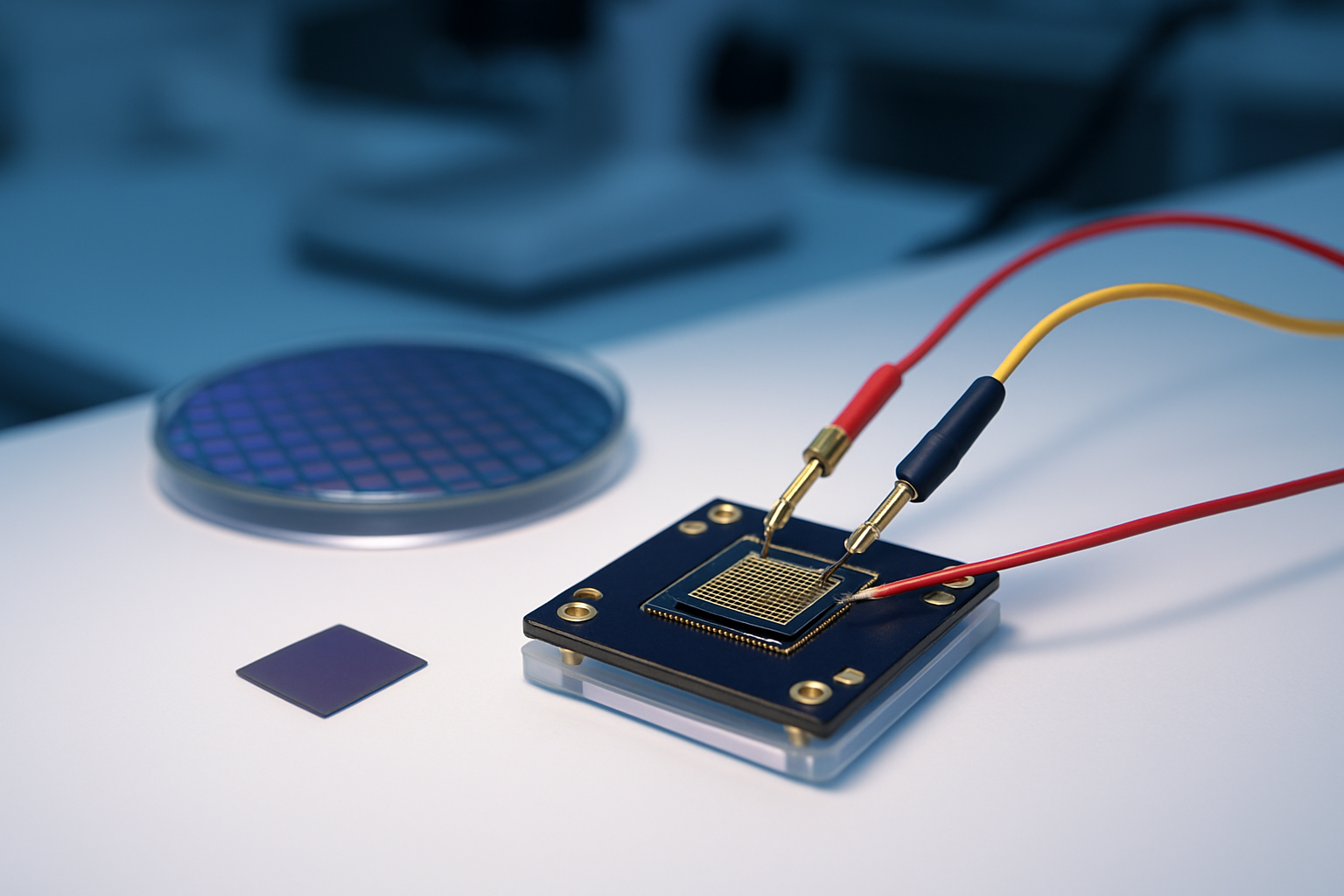
A new chemical sensor built around graphene could make it easier to deploy low-power monitoring devices in places where batteries are a constraint. In a study published on March 31, 2026, researchers reported a self-powered sensing platform that combines graphene, molybdenum disulfide and silicon into one integrated device.
Graphene sits at the center of a battery-free sensing stack
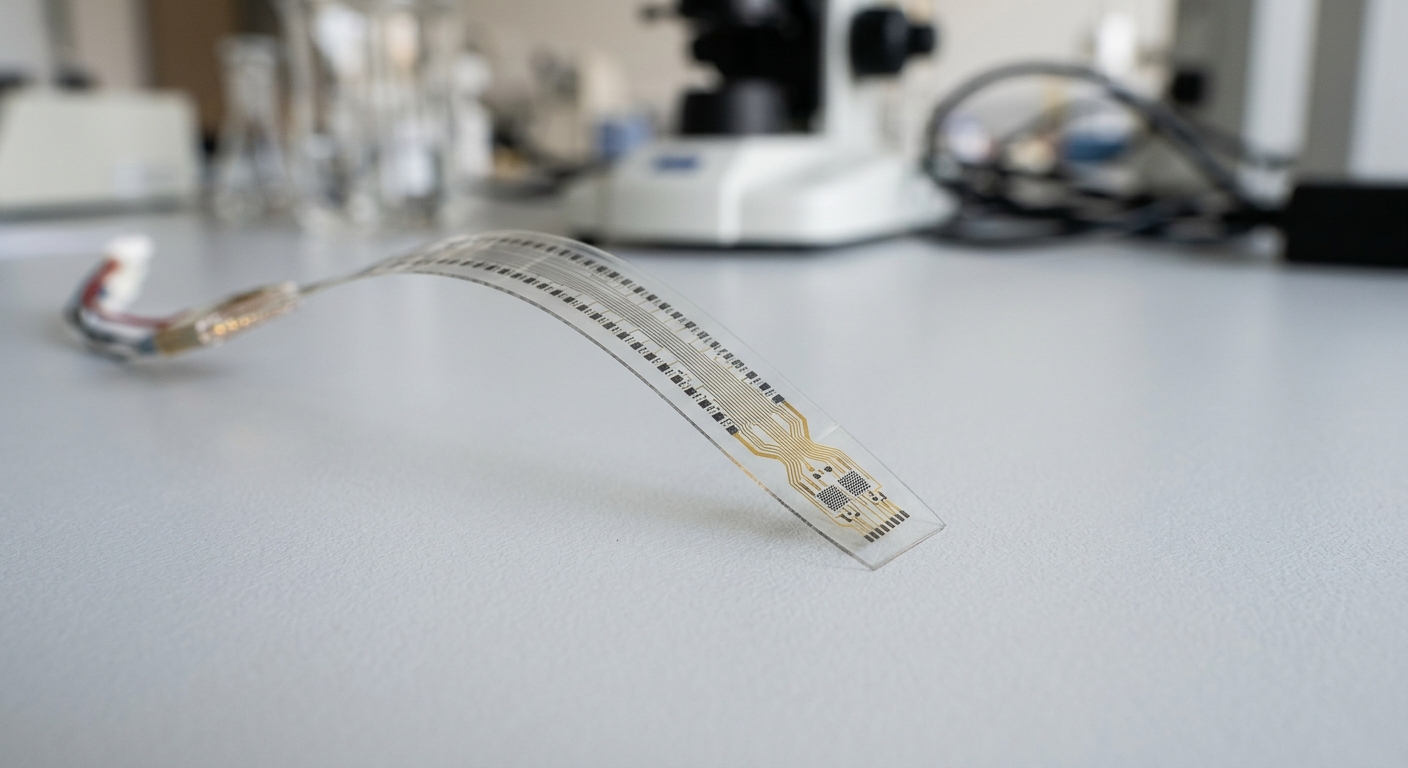
The device uses graphene as part of an on-chip chemical sensing architecture that does not depend on a conventional external battery for operation. The study frames the platform as a way to simplify sensor systems that have to run continuously while staying small, stable and power-efficient.
That matters because chemical sensors are often used in settings where wiring, charging or frequent maintenance is impractical. A self-powered design can reduce the hardware burden around the sensor itself, which is especially relevant for distributed environmental monitors and portable biomedical devices.
How the graphene-MoS2-silicon integration changes the use case
By pairing graphene with MoS2 and silicon, the researchers aimed to combine sensing performance with built-in energy handling rather than treating power supply as a separate problem. The article describes the work as an integrated chemical-sensing system, not just a materials demo.
For real-world deployment, that distinction is important. Battery-free operation can make it easier to imagine long-running sensors in compact formats, including devices meant for repeated or continuous chemical measurements where downtime is costly.
Why the March 31 paper matters for commercialization
The most relevant near-term takeaway is practical: the work points toward simpler sensor packages and less dependence on external power infrastructure. If the approach scales outside the lab, it could lower barriers for sensing products that need to be thin, autonomous and inexpensive to maintain.
The paper is still a research result, not a commercial launch, but it adds a concrete example of graphene moving deeper into functional sensing systems rather than remaining a purely experimental material. For an industry that has long treated graphene as promising but difficult to monetize, battery-free integration is a credible step toward more usable hardware.
Source: Nature Sensors
Date: 2026-03-31