
MIT.nano backs startup using nanomaterial-based ion detectors to make lab instruments smaller and more sensitive
MIT.nano’s latest startup cohort is giving a commercial push to nanomaterial sensing technology, with one new company developing ion detectors designed to make analytical, chemical and radiation instruments more sensitive, portable and easier to scale. The company is part of the 2026 START.nano program, announced on April 7, 2026, as MIT.nano expanded the accelerator to more than 30 companies.
Guardion’s ion detectors move nanomaterials from lab novelty toward instrument hardware
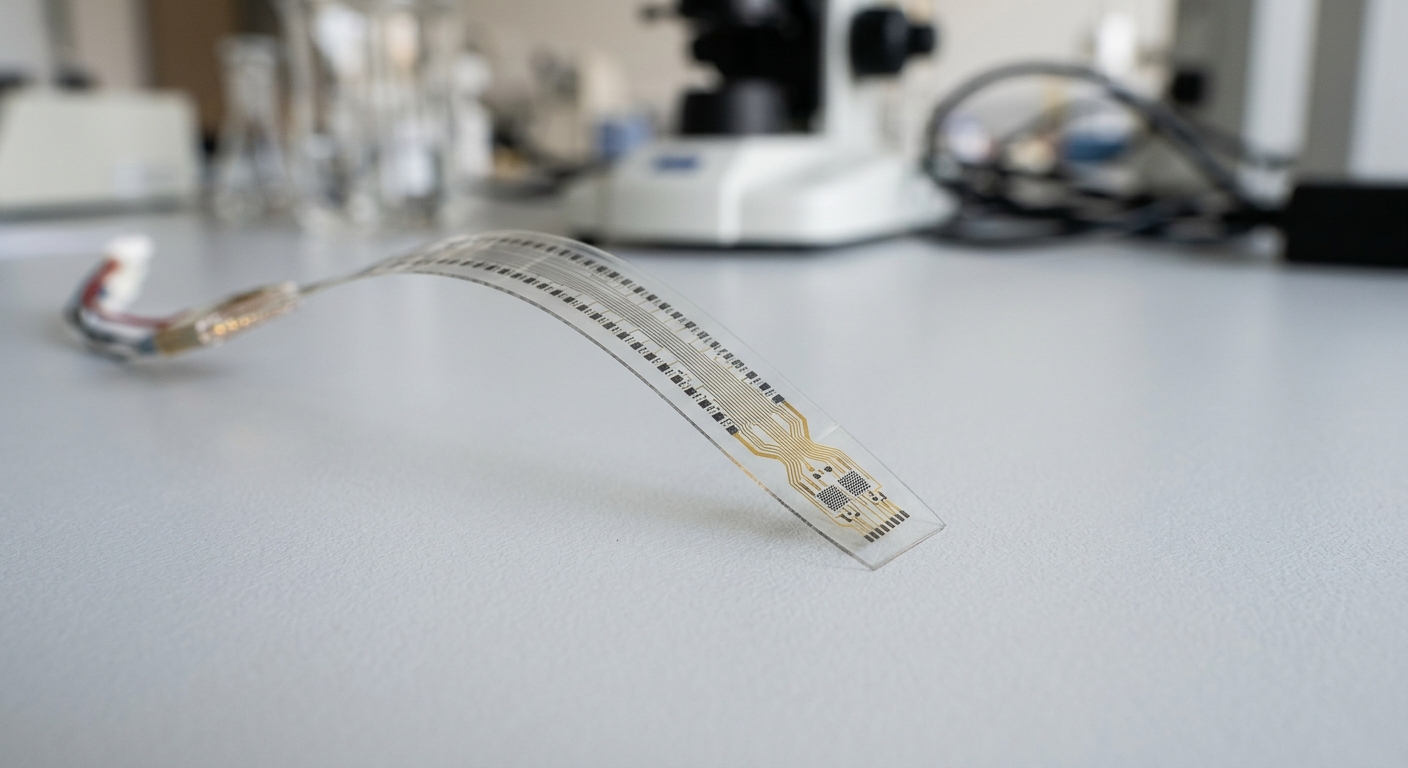
The startup, Guardion, is building detectors that rely on nanomaterials to improve how instruments register ions, a technical approach aimed at lowering size and improving sensitivity in systems used for detection and analysis. MIT.nano said the platform is intended to support analytical instruments, chemical detectors and radiation detectors.
That is the key development here: the nanomaterials are not being pitched as a broad materials concept, but as a component in an actual sensing stack that could be embedded in real hardware. For instrument makers, that kind of path matters because it suggests the technology is being shaped around manufacturability and deployment, not just performance in a university lab.
Why MIT.nano’s START.nano support matters now
The 2026 cohort marks another step in MIT.nano’s effort to push hard-tech ideas from academic settings toward startup formation and product development. In the program announcement, MIT.nano described START.nano as a way to provide discounted access to labs and characterization tools, resources that can be decisive for nanomaterials companies trying to validate reproducibility, packaging and scale-up.
For a sensing company, that matters because the hardest part is often not demonstrating a signal in a controlled experiment. It is showing the detector can be integrated into stable, manufacturable hardware that performs consistently outside the bench.
What this says about nanomaterial sensing in 2026
Nanomaterial-based sensors have been a recurring research theme for years, but commercial traction depends on whether the underlying material system can be made robust enough for instrument makers, not just researchers. By placing Guardion inside a startup accelerator tied to lab access and commercial mentoring, MIT.nano is effectively betting that the next step for this class of nanomaterials is engineering discipline, not another proof-of-concept paper.
The broader significance is practical: if the platform works, it could support smaller, more sensitive detectors for markets where size, portability and throughput matter, including laboratory diagnostics, field testing and radiation monitoring.
MIT.nano announced the cohort on April 7, 2026, and Guardion is now one of the startups trying to turn nanomaterial ion detection into an instrument-grade product rather than a one-off demonstration.
Source: MIT News
Date: 2026-04-07