UC Berkeley Wins $10 Million Bezos Earth Fund Grant to Build Biodegradable Fabrics
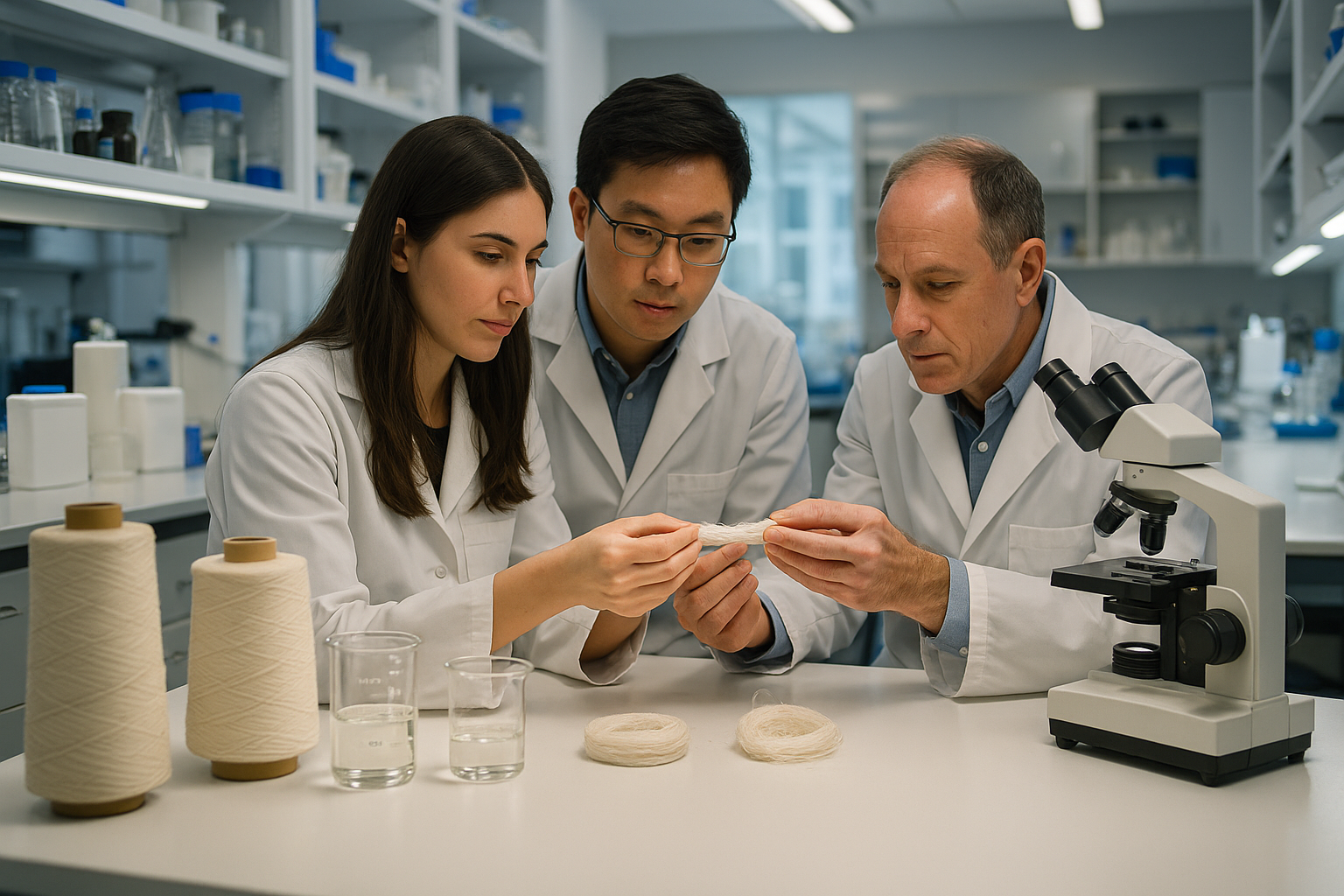
UC Berkeley researchers have secured a $10 million grant from the Bezos Earth Fund to develop biodegradable fibers made from proteins pulled from waste materials, a funding boost that could move next-generation textiles closer to commercial reality. The award, announced on April 24, 2026, backs a project led by materials scientist Ting Xu and spans work intended to create fabrics that can rival the strength and flexibility of natural fibers while reducing textile waste.
Bezos Earth Fund backs a Berkeley-led fiber program
The Berkeley project is one of several grants the Bezos Earth Fund announced to support breakthrough materials for fashion and textiles. The team will work across six UC Berkeley departments, with additional researchers from Stanford University and the California Institute of Technology joining the effort.
Xu’s group plans to break fibers down to the molecular level and rebuild them from protein sequences sourced from surprising inputs, including waste streams. The research will also use recent advances in nanomaterial synthesis and AI models to connect protein sequence features with material performance.
Why the grant matters for textile waste
The immediate significance is practical: textile waste remains a difficult disposal problem, and most synthetic fabrics are not built to biodegrade cleanly at scale. If the Berkeley program can produce durable fibers that still break down safely after use, it could offer an alternative to conventional petroleum-based textiles and some existing bio-derived materials.
The grant also gives the team a runway to test whether the concept can survive the transition from lab-scale promise to fabric performance. Validation work will include at least six months of stability testing and 50 or more wash cycles, a sign that durability will be treated as a central technical hurdle rather than an afterthought.
The technical challenge is performance, not just biodegradability
In materials science, biodegradability alone is not enough to make a fiber viable. The material has to survive wear, laundering, and manufacturing constraints while still degrading when it reaches end of life. That combination is hard to engineer, especially when researchers are trying to source feedstocks from unconventional protein inputs.
The project reflects a broader shift in advanced materials research toward designing products from the molecular scale upward, with AI tools increasingly used to speed the search for useful structures and formulations. For textiles, that could mean future fibers engineered not only for strength and hand feel, but also for recovery, compostability, and lower environmental impact.
What comes next in the lab
For now, the key milestone is funding that allows the team to move from concept to sustained testing. The next phase will focus on building candidate fibers, measuring their performance, and determining whether a waste-based protein platform can support a material that is both durable in use and biodegradable after disposal.
Source: UC Berkeley News
Date: 2026-04-24