First Graphene turns roof-tile trial into carbon-cutting production case in the UK
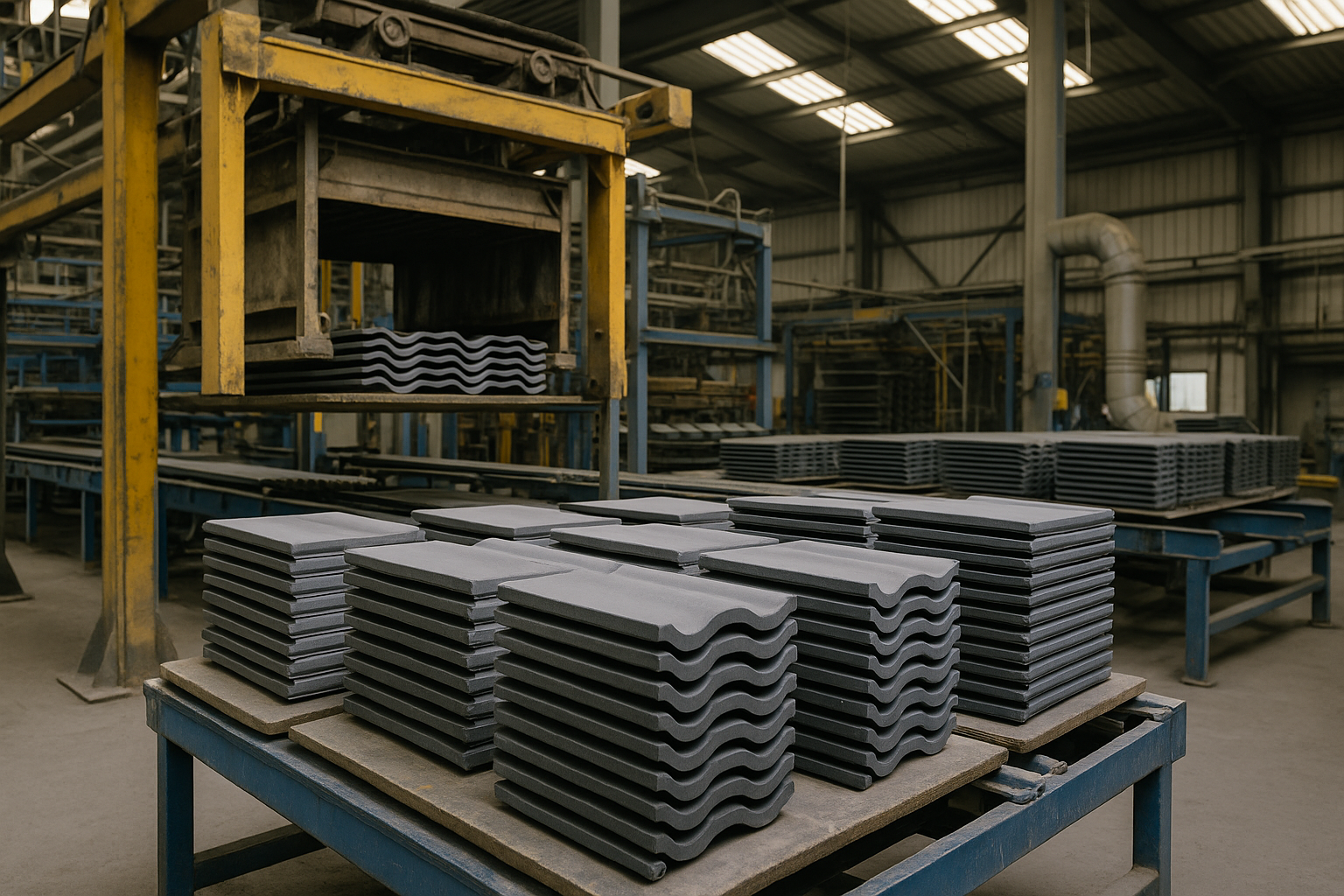
First Graphene said a five-month production trial with UK precast concrete maker FP McCann has moved graphene-enhanced cement closer to commercial use, after the companies produced more than 10,000 roof tiles and cut cradle-to-gate emissions by up to 14%.
FP McCann trial produces more than 10,000 graphene-enhanced tiles
The project ran at FP McCann’s Cadeby manufacturing site in the United Kingdom and used 40 tonnes of PureGRAPH-enhanced cement developed with First Graphene’s partner Breedon Group. The companies said the tiles were tested for quality, efficiency, carbon reduction potential and consistency before being cleared for use in new buildings at the site.
First Graphene said the trial also reduced the amount of cement needed by up to 8%, while preserving the same tile strength compared with conventional CEM-I product. That combination gives the company a practical manufacturing reference point, not just a laboratory result.
Why the 14% emissions cut matters for construction scale-up
The most important number in the release is not the tile count but the emissions data. First Graphene said the process delivered a cradle-to-gate carbon reduction of up to 14%, a result that could help builders and manufacturers make lower-emission concrete products without reworking the entire production line.
The company said conversations with industry partners have already begun since the results were received, and it linked the trial to the UK’s push for more affordable and sustainable housing. In that context, a proven production run matters because it shows the material can be handled in normal manufacturing conditions rather than only in controlled research settings.
A tested blueprint for graphene in cement products
Graphene has been promoted for years as a way to improve strength, durability or material efficiency in construction materials, but commercial adoption has often lagged behind the claims. This trial narrows that gap by showing a repeatable production route for roof tiles and a measurable emissions benefit at industrial scale.
First Graphene said the work was supported through UK government innovation programs focused on energy and resource efficiency. The company also said the trial solidifies its entry into the global cement roof tile market, which it said could grow to US$11.8 billion by 2034.
The immediate significance is straightforward: the material has now been through a full production trial, not just a pilot formulation, and the tiles are headed for use in actual buildings.
Source: PR Newswire / First Graphene Limited
Date: 2026-04-22T20:00:00-04:00