Wacker to Detail New Silicone Release-Coating Test Method at Tape Week 2026
Wacker Chemical Corp. plans to present a new XRF-based method for measuring extractable silicone from release coatings at Tape Week 2026 in Louisville, Kentucky, putting a practical quality-control issue in the spotlight as coated materials move through faster, more demanding production lines.
Wacker’s XRF approach targets a long-standing testing bottleneck
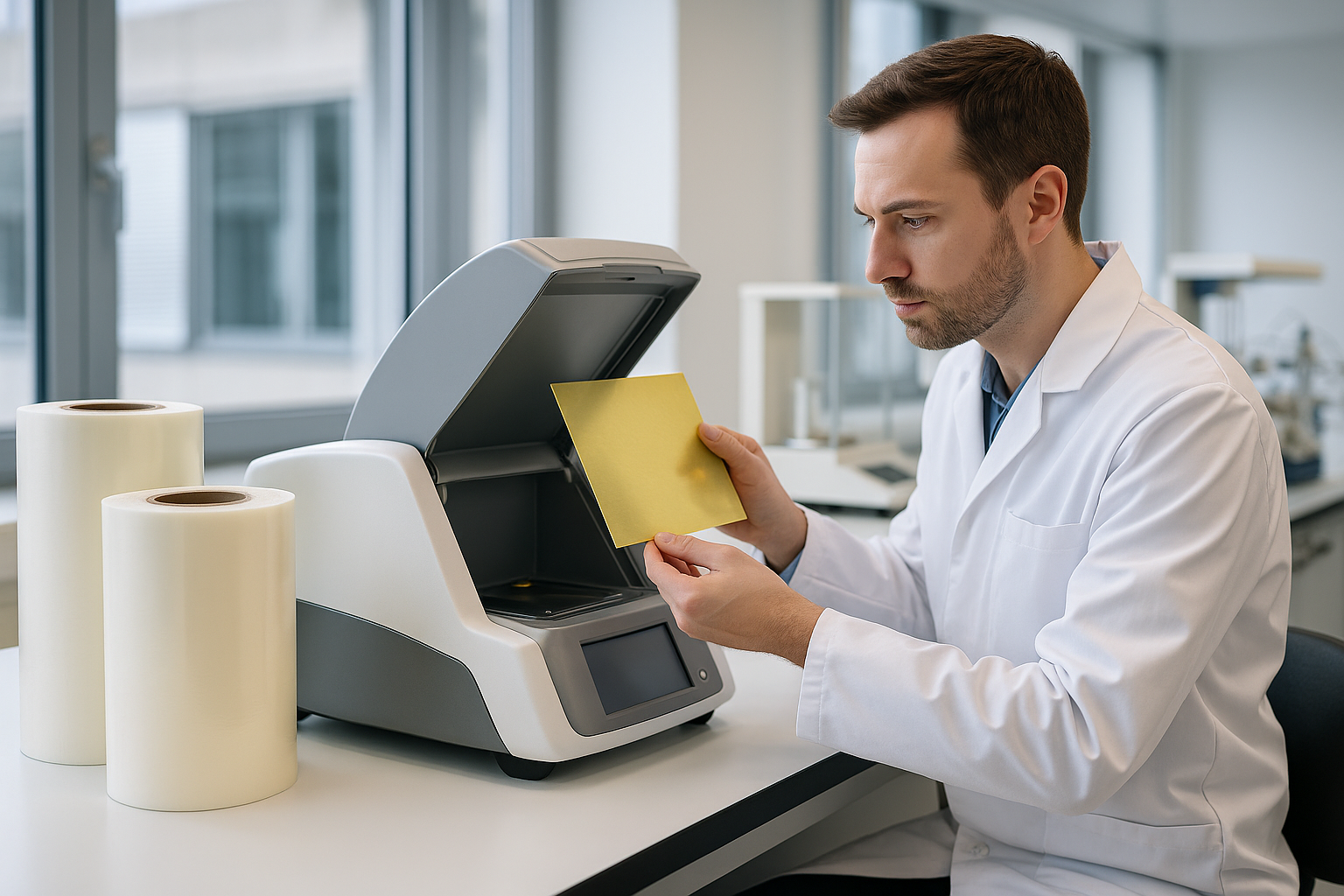
The company says its method is designed to measure extractable silicone in solvent using X-ray fluorescence, or XRF, rather than relying on a patchwork of established tests such as ICP-OES, atomic absorption, gas chromatography and gravimetric analysis. Wacker says the method has been validated across multiple formulations, laboratories and instruments.
According to the company, the appeal is operational as much as technical: XRF equipment is already common in large coating facilities for measuring silicone coating weight on release liners, which could make the new approach easier to adopt without major lab upgrades.
Why the release-coating measurement matters now
In release coatings, extractable silicone is not just a lab metric. It is tied to product quality, process control and regulatory scrutiny, especially where coated papers, films and specialty substrates must perform consistently on high-speed lines. Wacker says its method is intended to be a cost-effective and robust option for those measurements, an argument that will likely resonate with processors looking to reduce test variability and turnaround time.
The company is presenting the work as part of a broader technical program rather than a commercial launch, but the choice of topic points to a real manufacturing problem: how to verify coating performance without adding unnecessary analytical complexity.
Medical silicone adhesives add a second development track
Wacker will also present research on a radiation-stable silicone pressure-sensitive adhesive for medical applications. The company says the formulation is designed to retain structural and functional performance after gamma irradiation, while also offering a solvent-free route. That matters because silicone PSAs are widely used in skin-contact applications for their low-trauma removal and biocompatibility, but sterilization options have often been limited.
The two presentations together suggest where the company sees technical demand most clearly: in release systems that can be measured more efficiently, and in adhesive systems that can survive sterilization without sacrificing performance.
Tape Week gives the industry a near-term benchmark
Tape Week 2026 runs May 4-7, and Wacker says it will use the event to brief manufacturers, suppliers and technical professionals on both lines of work. For coating formulators and converters, the key question will be whether the XRF method proves simple enough to fit into existing plant workflows and whether the medical adhesive platform advances beyond a presentation-stage concept.
Either way, the timing matters because release coatings and medical adhesives are both under pressure to deliver tighter control, lower waste and cleaner processing at production scale.
Source: PR Newswire / Wacker Chemical Corp.
Date: 2026-04-27T10:05:00-04:00