Which companies produce graphene? A practical guide to the main suppliers and what they actually make
The short answer is that several companies produce graphene, but not all graphene is the same product. Depending on the application, a buyer may be looking for bulk graphene nanoplatelets, graphene oxide, reduced graphene oxide, dispersions, inks, or coated formulations. That difference matters, because the company that can supply one form of graphene for research may not be the right supplier for batteries, composites, or industrial coatings.
If you are asking which companies produce graphene, the more useful question is often: which companies produce the form of graphene that fits my use case? Commercial graphene is still a materials family, not a single standardized commodity, and that is why supplier lists can look confusing at first glance.
Graphene producers usually specialize by material form
Most graphene companies do not make every type of graphene product. Many are built around one production route and one target market. A company focused on exfoliated graphene powders may sell into polymers, concrete, or thermal management. A company that makes graphene oxide may be better positioned for membranes, coatings, or lab research. A company offering finished dispersions may be targeting formulators rather than raw material buyers.
This specialization is important because production method shapes the material’s quality, cost, consistency, and ease of use. Buyers comparing suppliers should look beyond the word graphene and ask for specifics such as layer count, flake size, surface area, purity, oxygen content, solvent system, and batch-to-batch consistency.
Well-known companies that produce graphene materials
Among the better-known graphene suppliers are specialist materials companies such as Graphenea, NanoXplore, First Graphene, Black Swan Graphene, HydroGraph, and Graphene Manufacturing Group. Paragraf is also widely associated with graphene-based electronics and devices, while other producers focus on graphene oxide or application-specific formulations rather than generic powder supply.
The important distinction is that these companies do not all serve the same market. Some are research and industrial materials suppliers. Others are trying to push graphene into coatings, conductive systems, or device platforms where the material is embedded into a higher-value product. In practice, that means a buyer should ask not only who makes graphene, but what kind of graphene they make and how it is intended to be used.
What commercial graphene supply looks like in practice
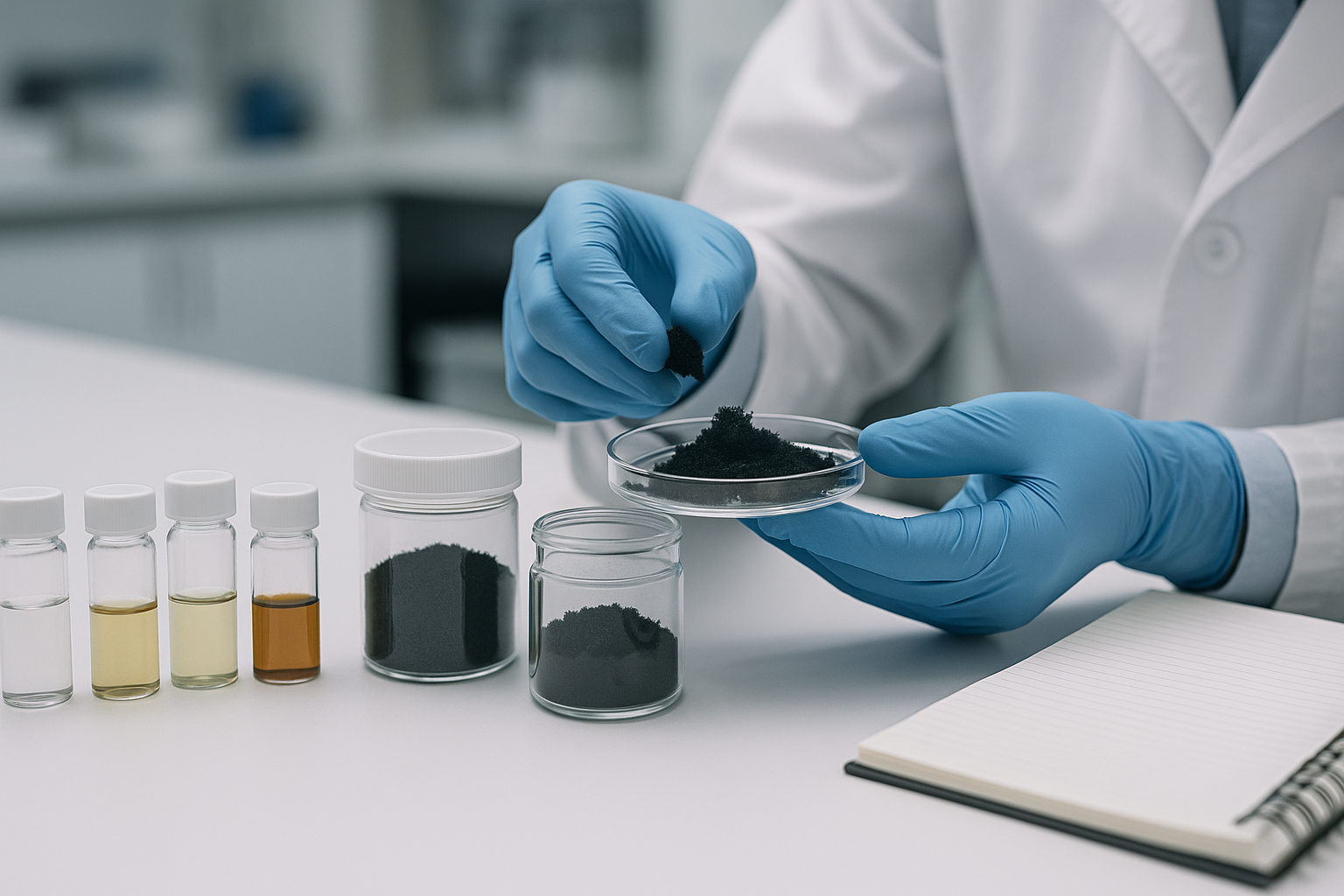
For researchers, the commercial market is often built around small packs of consistent material with datasheets and lab testing support. For manufacturers, the real question is whether a supplier can deliver enough material with stable properties in repeated batches. That is where production scale, quality control, and regulatory documentation start to matter more than headline claims about performance.
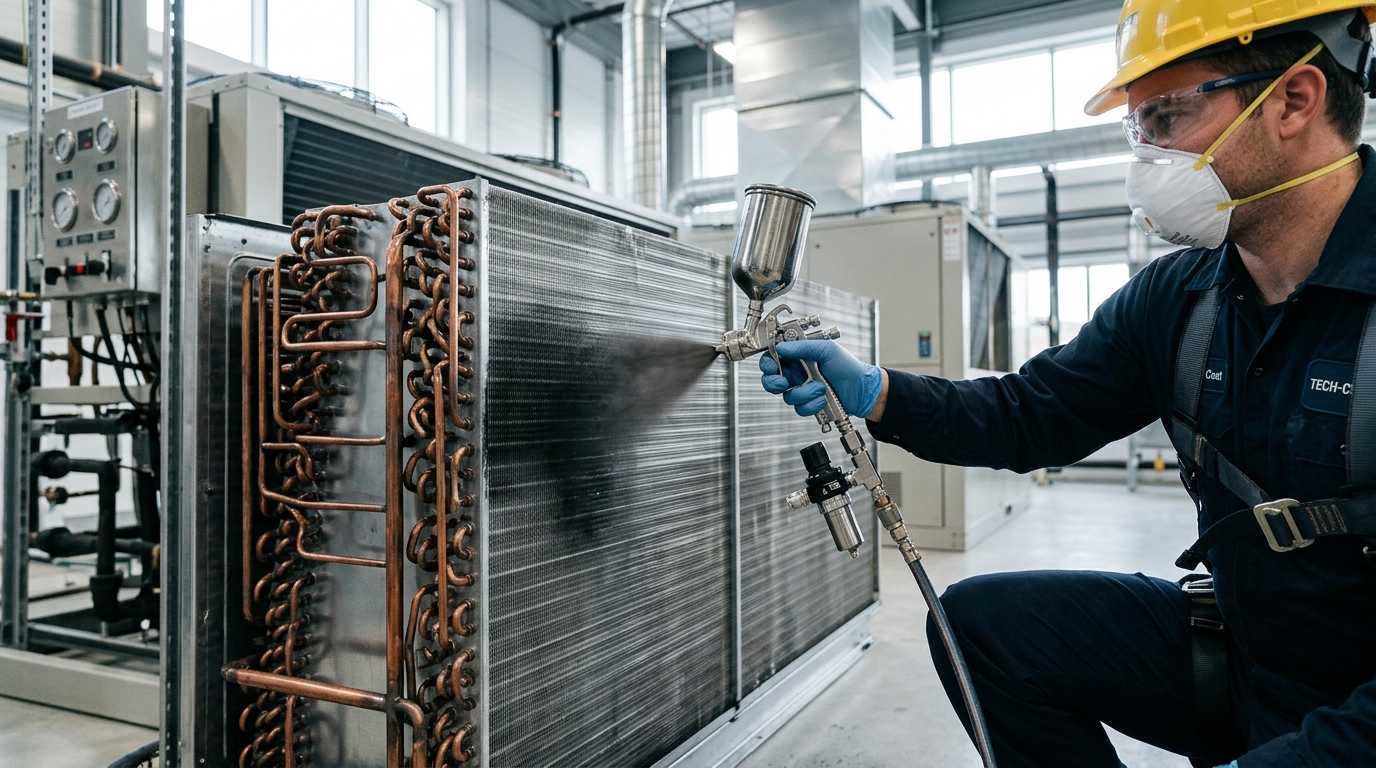
Graphene oxide and reduced graphene oxide are often easier to integrate into water-based systems, while nanoplatelets and powders are common in composites, polymers, and coatings. In electronics and sensors, the challenge is usually not just making graphene, but making it in forms that can be patterned, printed, deposited, or integrated into a device stack without losing consistency.
That is one reason commercial graphene remains fragmented. A company may be strong in one route, such as exfoliation or oxidation chemistry, but still need partners for formulation, downstream processing, or customer qualification.
How to judge a graphene supplier before buying
If you are evaluating companies that produce graphene, the most practical checklist is simple. Ask what material form is being sold, how it is produced, what impurity limits are documented, and whether the supplier provides a reproducible specification sheet. For industrial buyers, ask about scale, lead times, and whether the company can support application testing rather than only supplying sample quantities.
For research users, consistency and characterization usually matter more than volume. For commercial users, process compatibility matters more than marketing language. A graphene powder that looks promising in a brochure can still be unsuitable if it agglomerates too quickly, disperses poorly, or changes behavior from batch to batch.
Buyers should also be careful with the term graphene-enhanced. In many products, graphene is present only as a minor additive, and the performance benefit depends on formulation, loading level, and processing. A supplier that can explain those variables clearly is usually more useful than one that relies on vague claims.
So, which companies produce graphene? Several specialist materials firms do, but the best supplier depends on whether you need raw graphene, graphene oxide, a dispersion, or a finished formulation. In commercial graphene, the material spec is usually more important than the brand name.