
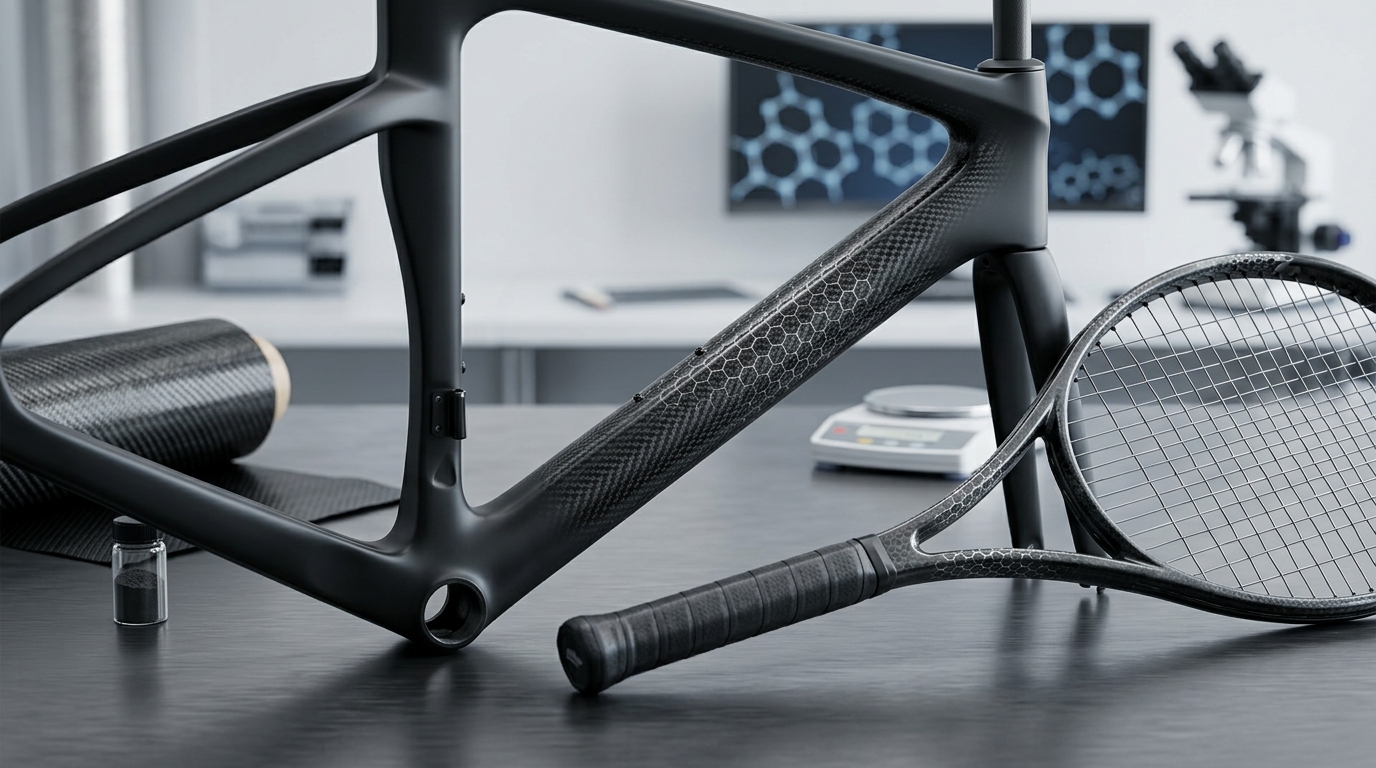
How Graphene is Redefining Performance Standards in Modern Sports Gear
In the competitive world of athletics, athletes and manufacturers are constantly seeking an edge, and graphene is increasingly becoming the material of choice for high-performance equipment. By integrating this single-atom-thick layer of carbon, designers are achieving combinations of strength, flexibility, and weight reduction that were previously impossible with traditional composite materials.
As we move through 2026, the application of graphene has shifted from experimental prototypes to commercial reality in several high-impact sports. While performance gains vary significantly based on the specific sport and the manufacturing process used, the trend toward material-driven innovation is clear. Understanding how this material functions helps athletes and consumers make more informed choices when investing in new gear.
Key Takeaways
- Weight Reduction: Graphene allows for thinner, lighter structural components without sacrificing essential integrity.
- Enhanced Durability: Incorporating carbon nanomaterials improves resistance to fatigue, wear, and environmental stress.
- Vibration Dampening: The unique structural properties of graphene help manage energy transfer and reduce unwanted oscillations in rackets, frames, and boards.
- Material Synergy: Graphene is most effective when integrated into existing composites like carbon fiber, creating a superior hybrid material.
Mechanics Behind the Performance
At its core, graphene acts as a reinforcing agent when mixed with resins or bonded into carbon fiber layers. Because graphene is incredibly strong yet holds almost no mass, it acts as a molecular bridge, filling microscopic gaps in composite structures. This reinforces the matrix, preventing the propagation of cracks and improving the overall lifespan of equipment that undergoes frequent high-stress cycles, such as tennis rackets or hockey sticks.
Current Applications in Athletics
The sports industry has adopted graphene in areas where performance is directly tied to material stiffness and mass:
| Equipment Category | Primary Benefit |
|---|---|
| Racquet Sports | Improved frame rigidity and vibration dampening for better control. |
| Cycling | Reduced rotational weight in wheels and increased frame fatigue resistance. |
| Snow Sports | Optimized flex patterns and improved durability against cold-temperature stress. |
Benefits and Limitations
The primary advantage of graphene-enhanced gear is the ability to break the traditional compromise between weight and strength. However, consumers should note that the term “graphene-infused” can sometimes be used for marketing purposes without significant structural impact. The effectiveness of the gear depends heavily on the quality, concentration, and dispersion of the graphene material within the matrix. Users should look for products where the manufacturer provides transparent details about the material’s integration rather than relying on the buzzword alone.
What Readers Should Know Before Buying
When shopping for high-end sports equipment that features new-age materials, prioritize gear that demonstrates functional improvements in independent reviews or field tests. Graphene does not make an amateur athlete an expert, but it can provide measurable improvements in comfort, longevity, and consistency for serious participants. Always consider if the performance upgrade justifies the typically higher price point associated with advanced nanomaterial manufacturing.
Frequently Asked Questions
Does graphene make sports gear indestructible?
No. While graphene significantly enhances durability, resistance to fatigue, and impact strength, no piece of sports equipment is immune to damage or wear from extreme use.
Is graphene gear significantly more expensive?
Often, yes. The manufacturing processes required to safely and effectively integrate nanomaterials into carbon composites are more complex and costly than standard manufacturing.
How can I verify if a product actually uses graphene?
Look for technical specifications, white papers, or detailed descriptions from the manufacturer that explain the role of the graphene in the design, rather than just seeing it listed as a branding term.
Editorial Disclaimer
This article is provided for educational and informational purposes only. Details can change over time, so readers should verify important information with official sources, qualified professionals, manufacturers, publishers, or relevant authorities before making decisions.