
Grapheal Secures €2.5M EU Grant to Deploy Graphene Sensors for On-Site PFAS Detection
French deep-tech startup Grapheal has secured a €2.5 million ($2.9 million) grant from the European Innovation Council (EIC) Accelerator program to scale its portable water-monitoring technology. The funding will accelerate the development of PFAST, an innovative, field-deployable graphene sensor designed to detect per- and polyfluoroalkyl substances (PFAS)—commonly known as “forever chemicals”—in water in real time.
This milestone marks the official kick-off of the EIC-funded project, positioning the Grenoble-based company at the forefront of environmental diagnostics. By transitioning slow, lab-bound chemical testing into immediate on-site decisions, the technology addresses a critical bottleneck in global water safety and regulatory compliance.
A Portable Shield Against “Forever Chemicals”
PFAS represent a class of roughly 12,000 synthetic chemicals widely used in industrial and consumer products for their water- and grease-resistant properties. However, their extreme persistence in the environment and human body has linked them to severe health risks, including immune system disruption, liver damage, and cancer. Traditional testing methods rely on Liquid Chromatography-Tandem Mass Spectrometry (LC-MS/MS), which requires sending samples to specialized laboratories. This process typically takes weeks to return results, making it highly impractical for rapid response or high-frequency monitoring.
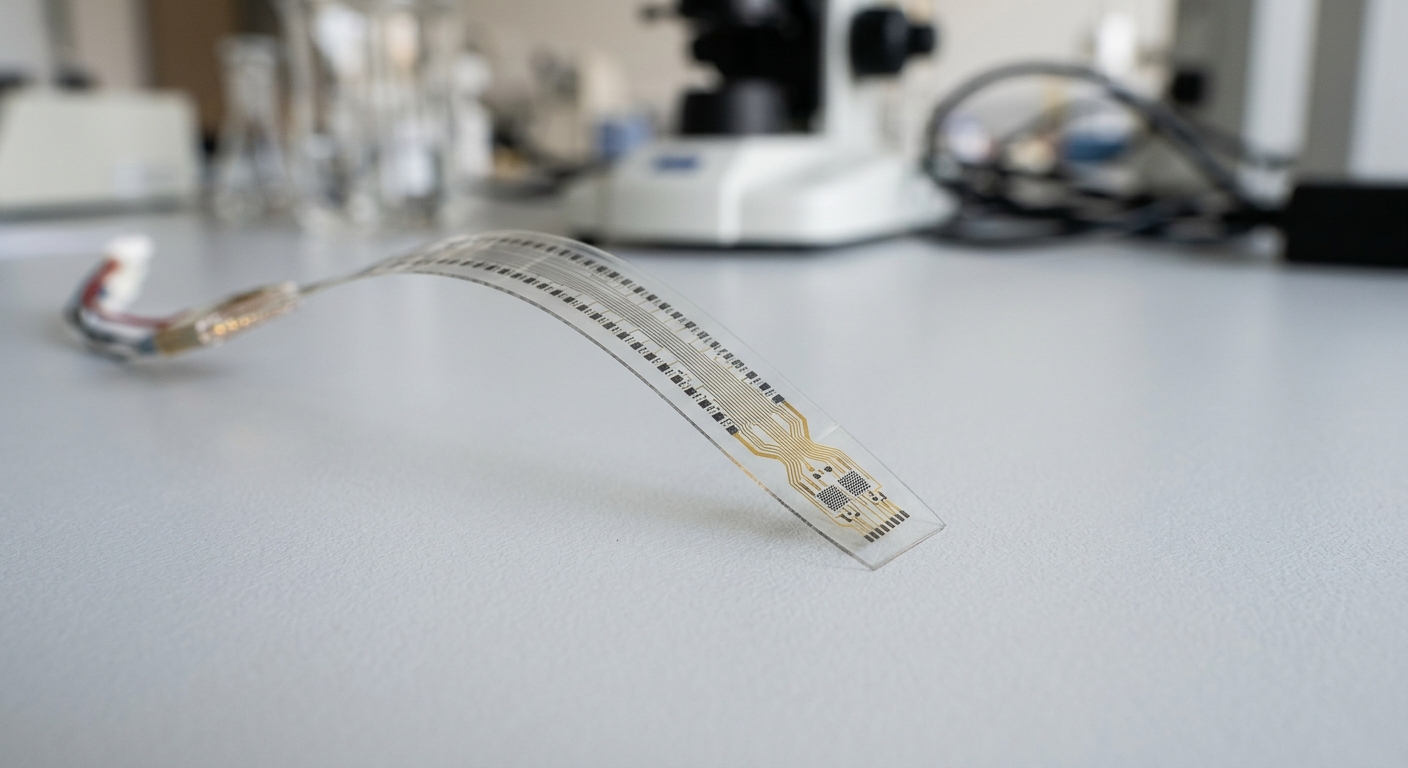
Grapheal’s PFAST platform introduces a radical shift in how these contaminants are monitored. The system utilizes a credit-card-sized electronic sensor that brings lab-grade analysis directly to the point of need. Instead of waiting weeks, water treatment plant operators and environmental agencies can obtain precise contamination readings in just minutes.
How Grapheal’s Graphene Technology Accelerates Water Testing
The core innovation of the PFAST device lies in its integration of printed electronics and a highly sensitive monolayer graphene sensor. Graphene, a single layer of carbon atoms, possesses exceptional electrical conductivity and a massive relative surface area, making it an ideal material for detecting ultra-trace molecular changes.
When water samples are applied to the sensor, the target PFAS molecules bind to the functionalized graphene surface. This binding event alters the material’s electrical properties, which the integrated microchip measures. Grapheal’s device has already demonstrated the capability to detect perfluorooctanoic acid (PFOA)—one of the most common and hazardous PFAS compounds—at concentrations as low as 300 nanograms per liter (ng/L), well below the stringent limits set by regulatory bodies.
Aligning with Tightening European Water Regulations
The commercial push for Grapheal’s technology is heavily driven by the 2026 EU Drinking Water Directive. This updated framework significantly tightens the acceptable limits for PFAS in drinking water and mandates higher-frequency sampling across member states. For municipal water treatment plants, complying with these new rules using traditional laboratory testing would introduce unsustainable financial and operational burdens.
By offering a low-cost, reusable, and battery-free testing platform, Grapheal enables facilities to conduct routine, high-frequency monitoring without exhausting their budgets. The device’s integrated near-field communication (NFC) and RFID capabilities allow operators to stream real-time data directly to smartphones or cloud-based monitoring systems, facilitating rapid pollution mapping and immediate containment actions.
The Commercial and Environmental Viability of PFAST
Beyond its technical performance, Grapheal’s solution offers significant economic and environmental advantages over current diagnostic standards:
- Reduced Operational Costs: Eliminating the need for expensive laboratory logistics and specialized personnel reduces the overall cost per test by orders of magnitude.
- Zero-Power Connectivity: The sensors utilize energy-harvesting antennas, allowing them to interface with smartphones and mobile readers without requiring internal batteries.
- Eco-Friendly Manufacturing: Built using flexible printed electronics and minimal carbon-based materials, the disposable sensor cards have a low environmental footprint compared to traditional silicon-based chips.
With the EIC Accelerator grant officially underway, Grapheal plans to initiate its first industrial pilots within the next six months. The company will focus on validating the technology in continuously running process industries and municipal water treatment facilities, paving the way for full-scale commercial manufacturing and international distribution.