Beyond Grip: How Graphene is Redefining Performance Footwear
For years, the promise of graphene in consumer goods remained largely theoretical—a “miracle material” trapped in laboratory settings. In the current 2026 market, however, the narrative has shifted toward practical, high-performance integration. Nowhere is this more visible than in the specialized footwear sector, where the push for lighter, stronger, and more resilient materials has become the primary driver for innovation.
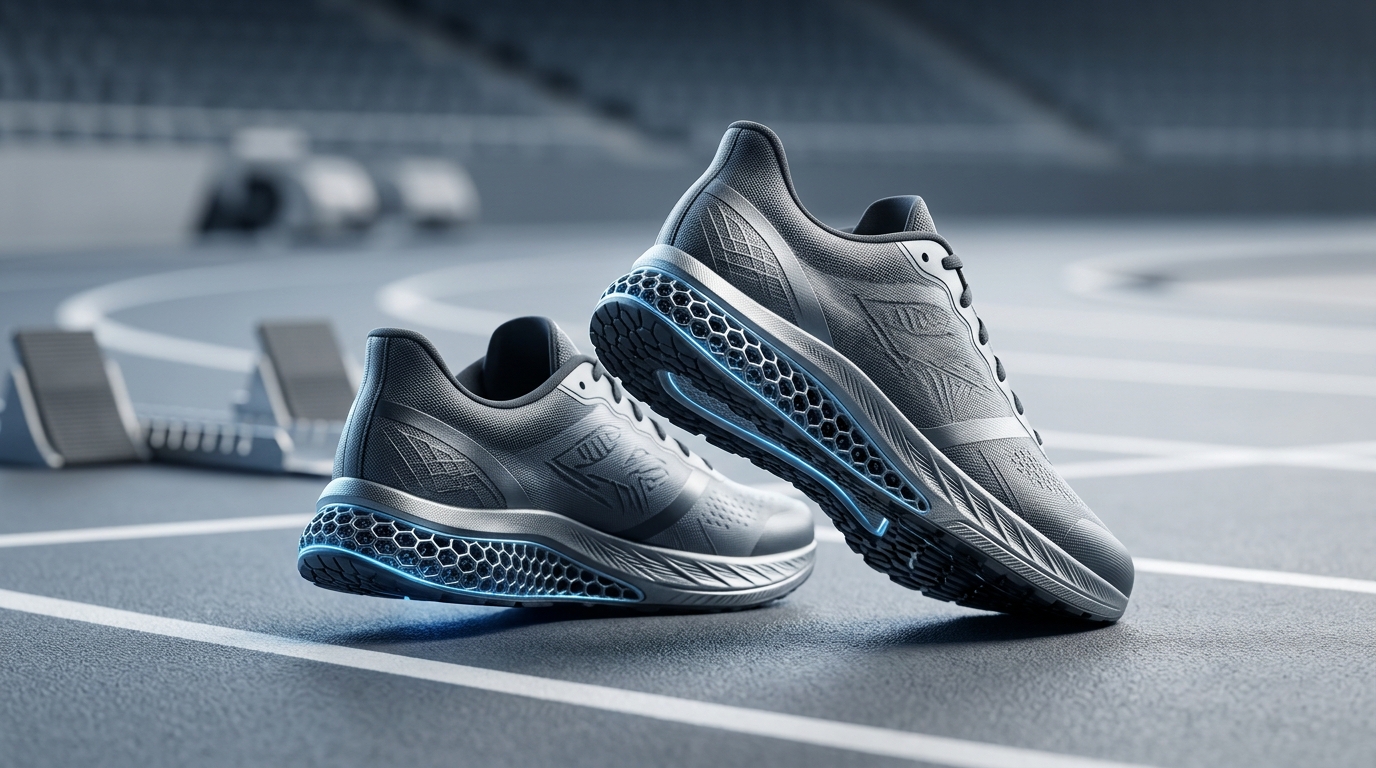
The transition from lab to track involves more than just mixing graphene into rubber compounds. Engineers are now utilizing the material to address the traditional trade-off between grip and longevity. In high-impact sports, a softer rubber usually offers superior traction but wears down rapidly. By incorporating graphene-enhanced materials into outsoles, manufacturers are achieving a rare balance: maintaining the sticky, high-friction performance required by elite athletes while significantly extending the mileage of the tread.
Structural Integrity Under Stress
Beyond the surface-level improvements in outsoles, research has turned toward the structural chassis of performance shoes. The material’s unique lattice structure provides a tensile strength that far exceeds traditional plastics and carbon fiber fillers. This is critical for stabilizing the mid-foot area, where lateral torque can lead to energy loss during high-speed maneuvers.
What sets this generation of footwear apart is how the material is deployed. Rather than using it as a bulky reinforcement, it is being integrated at the molecular level within polymer blends. This allows for thinner, lighter profiles that do not sacrifice structural integrity. Athletes are noticing the difference in “snappiness”—the way a shoe returns energy after a hard plant—without the heavy feel of previous generations of stability-focused footwear.
The Consumer Reality Check
It is important to manage expectations regarding these advancements. While graphene-enhanced gear often comes with a premium price tag, the value proposition is increasingly tied to the product’s lifespan. A shoe that maintains its traction profile for an additional 100 or 200 miles fundamentally changes the cost-per-use calculation for professional and serious amateur athletes alike.
As manufacturing processes become more standardized, the focus is shifting from simply proving the material works to optimizing it for specific conditions. We are seeing a divergence in R&D, with some manufacturers targeting wet-weather mountain running, while others focus on indoor court stability. The next stage of development will likely be the widespread adoption of these materials into mid-range product lines, moving the technology away from flagship-only status.