Do Graphene-Enhanced Filters Change Home Air Quality?
For homeowners looking to upgrade their indoor environment, the emergence of graphene-enhanced filtration represents a significant shift from traditional mechanical methods. By integrating atom-thin carbon layers into filter media, manufacturers are attempting to address limitations found in standard HEPA systems, particularly regarding the capture of volatile organic compounds (VOCs) and ultra-fine biological particulates.
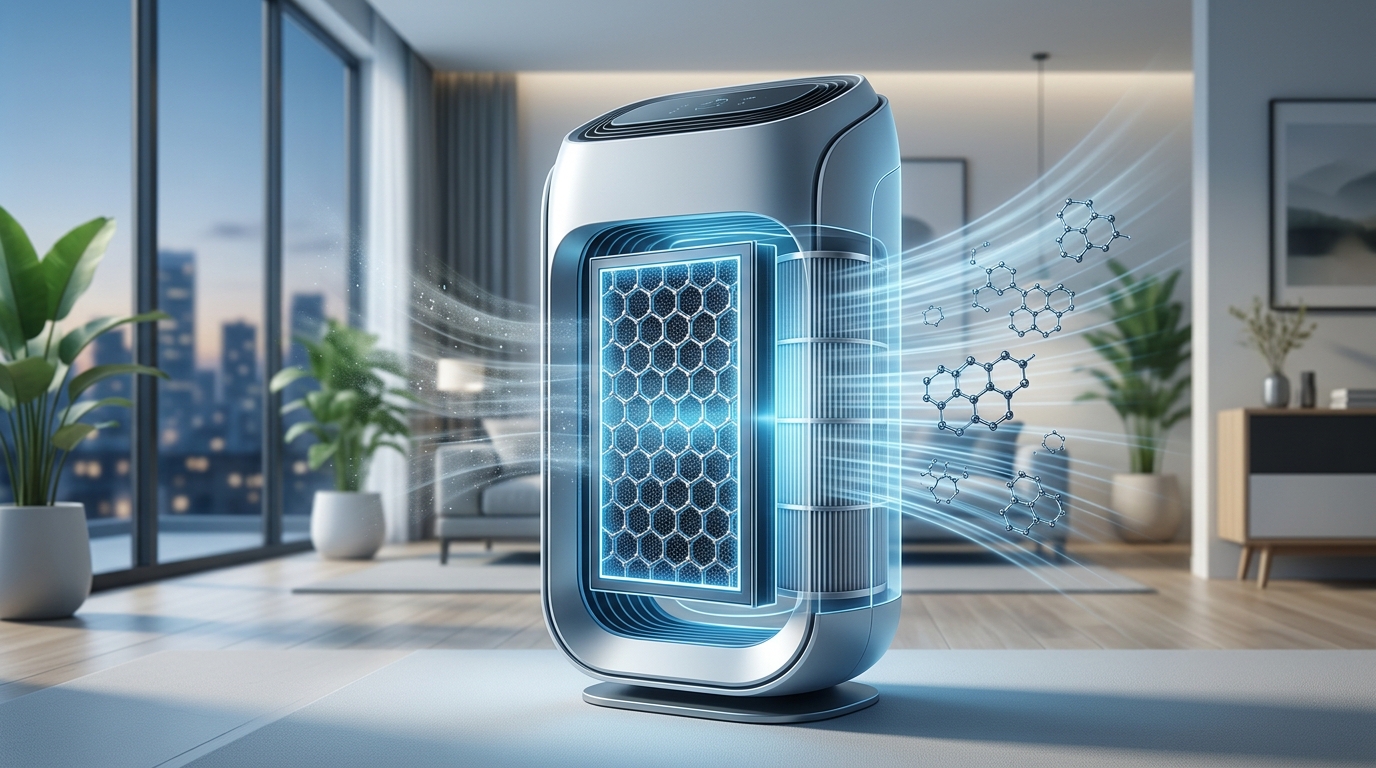
While standard filters rely primarily on physical sieving to trap dust and pollen, graphene’s unique surface area and chemical reactivity allow it to act as an active capture agent. This evolution in consumer air treatment is gaining traction as brands seek to improve filter lifespan and efficacy against increasingly complex indoor pollutants. However, consumers should note that while performance metrics are improving, the technology is still maturing in residential-scale devices.
How Graphene Modifies Filtration
Graphene is not just another barrier; it functions as a highly reactive surface. Because every atom is exposed, a graphene-coated filter provides an immense surface area for adsorption—the process where gas molecules or pollutants stick to the surface of a material. In practice, this allows filters to move beyond simple physical blockage to chemically trap odors, smoke, and certain airborne toxins that would typically pass through conventional fiber filters.
Key Advantages for Indoor Environments
- Enhanced Adsorption: Improved capacity to neutralize odors and VOCs compared to traditional activated carbon.
- Antimicrobial Potential: Graphene’s physical structure can, in some configurations, inhibit the viability of trapped bacteria and viruses.
- Extended Lifespan: High-efficiency capture often results in cleaner airflow pathways over time, potentially reducing the frequency of filter replacements.
- Lower Airflow Resistance: Due to the thin nature of nanomaterials, filters can maintain high airflow without requiring significantly more energy from the fan motor.
What Buyers Should Consider
Before purchasing a new unit, it is important to distinguish between marketing claims and certified performance. Look for products that provide independent lab testing results specifically for graphene-coated filter media. Additionally, evaluate whether the replacement filter costs align with the expected performance gains, as graphene integration often commands a premium price point compared to standard filter replacements.
Frequently Asked Questions
Are graphene filters safer than traditional filters?
Graphene, when properly embedded into a filter matrix, is generally stable and poses no risk to home air quality. The primary goal of these filters is to enhance capture efficiency, not to introduce new materials into the air stream.
Do these filters remove all odors?
While graphene excels at adsorption, no filter captures 100% of all odor-causing molecules. A graphene-enhanced filter will typically outperform a basic HEPA filter in odor reduction but should be viewed as part of an overall home air management strategy.
How long do these filters last?
Lifespan depends on local air quality and the specific filter design. Currently, most graphene-enhanced filters follow standard replacement cycles (typically 6 to 12 months), though some manufacturers claim superior performance retention during that period.
Editorial Disclaimer
This article is provided for educational and informational purposes only. Details can change over time, so readers should verify important information with official sources, qualified professionals, manufacturers, publishers, or relevant authorities before making decisions.