
Beyond Carbon Fiber: How Graphene Is Reshaping Pro-Level Running Shoes
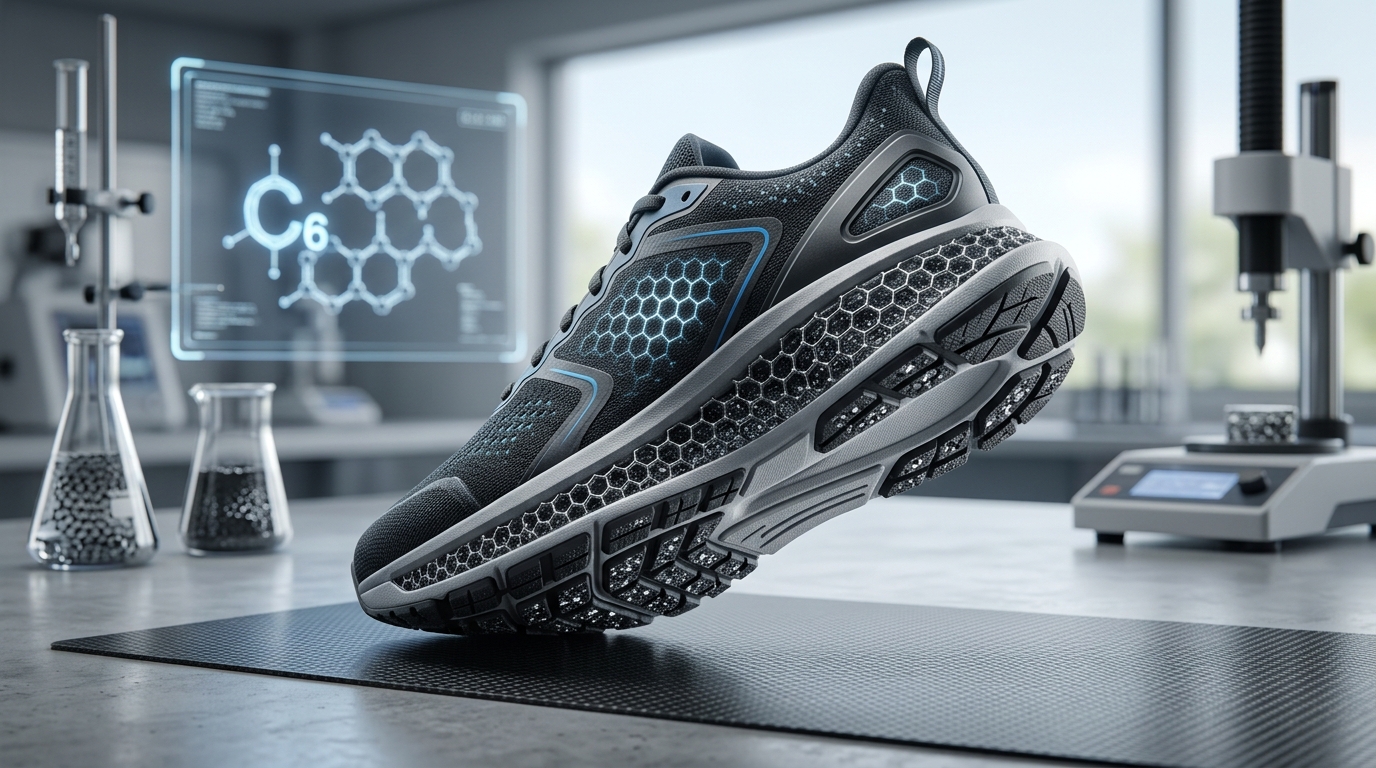
For years, carbon fiber plates have dominated the landscape of professional running shoes, but graphene integration is now emerging as the next structural evolution. By infusing this atom-thin material into rubber outsoles and foam midsoles, footwear manufacturers are addressing the long-standing trade-off between material longevity and lightweight performance.
While carbon fiber remains the industry standard for rigid propulsion, graphene provides a unique set of mechanical advantages. Current developments in the sports sector focus on utilizing the material’s extreme strength-to-weight ratio to create outsoles that resist abrasion without adding the bulk typically associated with high-durability compounds. This analysis examines how this material is currently being implemented in high-performance gear.
Key Takeaways for Athletes
- Enhanced Durability: Graphene-infused rubber outsoles show significant resistance to wear in high-friction areas compared to standard blown rubber.
- Thermal Regulation: The high thermal conductivity of graphene allows for better heat dissipation during intense, long-distance training sessions.
- Weight Optimization: Because graphene is exceptionally strong, less material is needed to achieve the same structural integrity, potentially lowering overall shoe weight.
- Market Availability: Technology is currently shifting from specialized, experimental models to wider availability in premium tier athletic footwear.
Mechanics of Graphene in Footwear
The primary appeal of graphene in sports wearables lies in its molecular structure. When integrated into the polymer matrix of a shoe’s outsole, it creates a reinforced network that prevents micro-tearing and erosion. Unlike traditional additives that might harden the sole and reduce grip, a properly formulated graphene compound maintains elasticity while increasing the material’s threshold for mechanical stress.
Engineers are also exploring its use in midsoles. By incorporating graphene oxide into the foam matrix, researchers aim to preserve the energy-returning properties of the foam over a greater number of cycles, effectively slowing down the “deadening” of the cushioning that usually occurs after hundreds of miles of use.
Comparing Traditional and Enhanced Materials
| Feature | Standard Rubber | Graphene-Enhanced |
|---|---|---|
| Abrasion Resistance | Moderate | Very High |
| Weight | Standard | Lower Potential |
| Thermal Conductivity | Low | High |
Practical Considerations for Consumers
For the average buyer, the integration of graphene technology into footwear represents a move toward longer-lasting equipment. While the upfront cost of graphene-enhanced models may be higher due to complex manufacturing processes, the extended lifespan of the outsole can offer better long-term value for high-mileage runners. It is advisable to check specific manufacturer claims regarding the concentration and placement of the material, as performance benefits depend heavily on how the graphene is bonded within the matrix.
Frequently Asked Questions
Does graphene make the shoe feel stiffer?
Not necessarily. When integrated correctly, graphene adds strength without requiring the rigid, thick layers that would normally increase stiffness, allowing for a more flexible yet durable design.
Is graphene-enhanced footwear waterproof?
Graphene itself is not inherently a waterproofing agent, though it is often used in combination with hydrophobic coatings in advanced apparel and footwear to improve overall environmental resistance.
How do I know if my shoes contain graphene?
Look for branding on the outsole or internal marketing materials from the manufacturer; brands typically highlight this feature because it is a significant selling point for durability and performance.
Editorial Disclaimer
This article is provided for educational and informational purposes only. Details can change over time, so readers should verify important information with official sources, qualified professionals, manufacturers, publishers, or relevant authorities before making decisions.