Graphene-Enhanced Hydrogels: The Next Frontier in Advanced Wound Healing
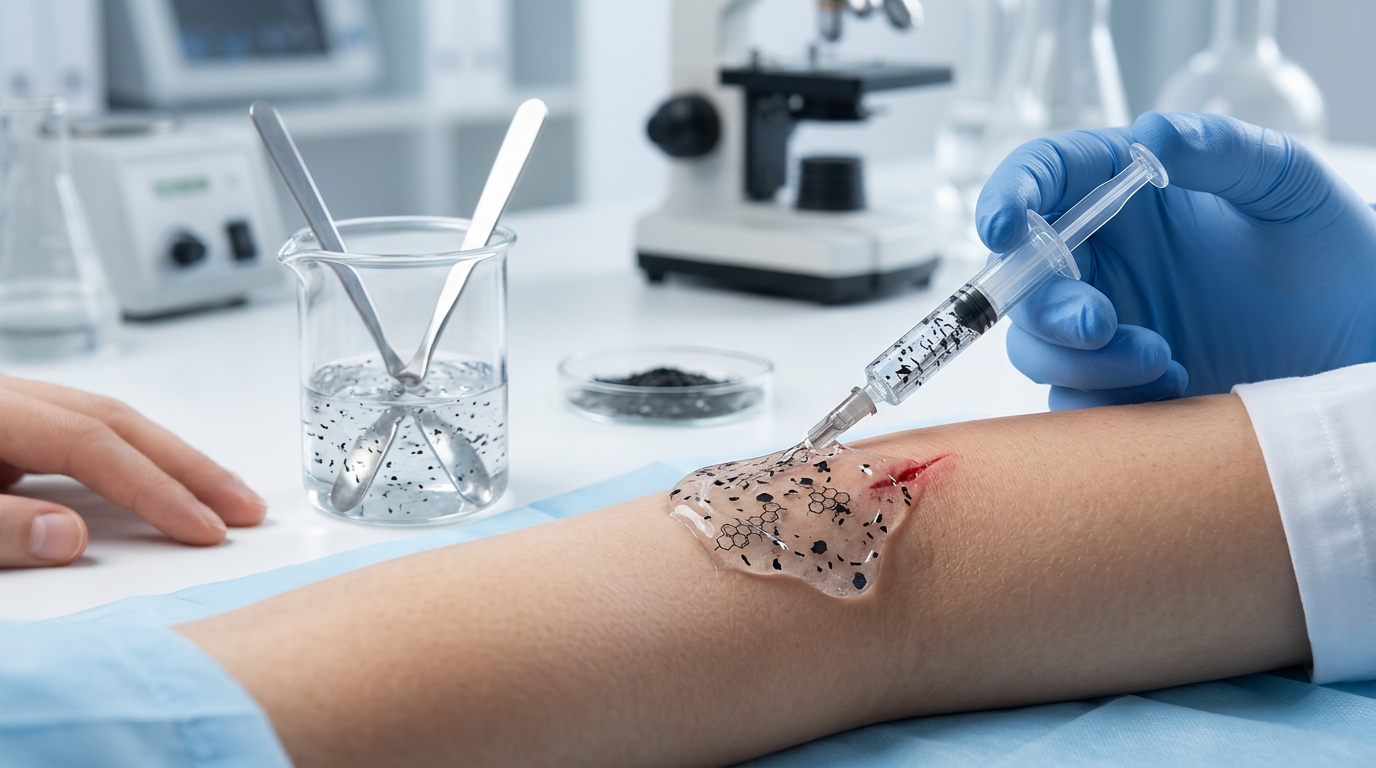
Graphene-enhanced hydrogels are emerging as a sophisticated solution in the field of regenerative medicine, specifically designed to accelerate the healing process for chronic and complex wounds. By integrating carbon-based nanomaterials into traditional hydrogel structures, researchers are creating dressings that do more than just cover a wound—they actively facilitate tissue repair.
While traditional dressings focus primarily on moisture management, these new composite materials leverage the unique physical and chemical properties of graphene to provide structural support, conductivity, and inherent antimicrobial effects. It is important to note that while preclinical studies show high promise, most of these technologies are currently in the research and development phase and are not yet widely available for general medical use.
Key Takeaways
- Enhanced Conductivity: Graphene helps integrate electrical signals, which may stimulate cell growth and nerve tissue regeneration.
- Antimicrobial Activity: The sharp edges and chemical structure of graphene can physically disrupt bacterial membranes without relying on traditional antibiotics.
- Structural Integrity: Adding graphene reinforces the hydrogel matrix, allowing it to mimic the natural extracellular environment of skin cells more effectively.
- Clinical Status: The technology is rapidly advancing in laboratories, with a focus on biocompatibility and long-term safety studies before human clinical trials.
How Graphene Improves Hydrogels
Hydrogels are already widely used in wound care due to their ability to maintain a moist environment. However, adding graphene or graphene oxide transforms their performance. These materials provide a scaffold that is both mechanically strong and chemically responsive.
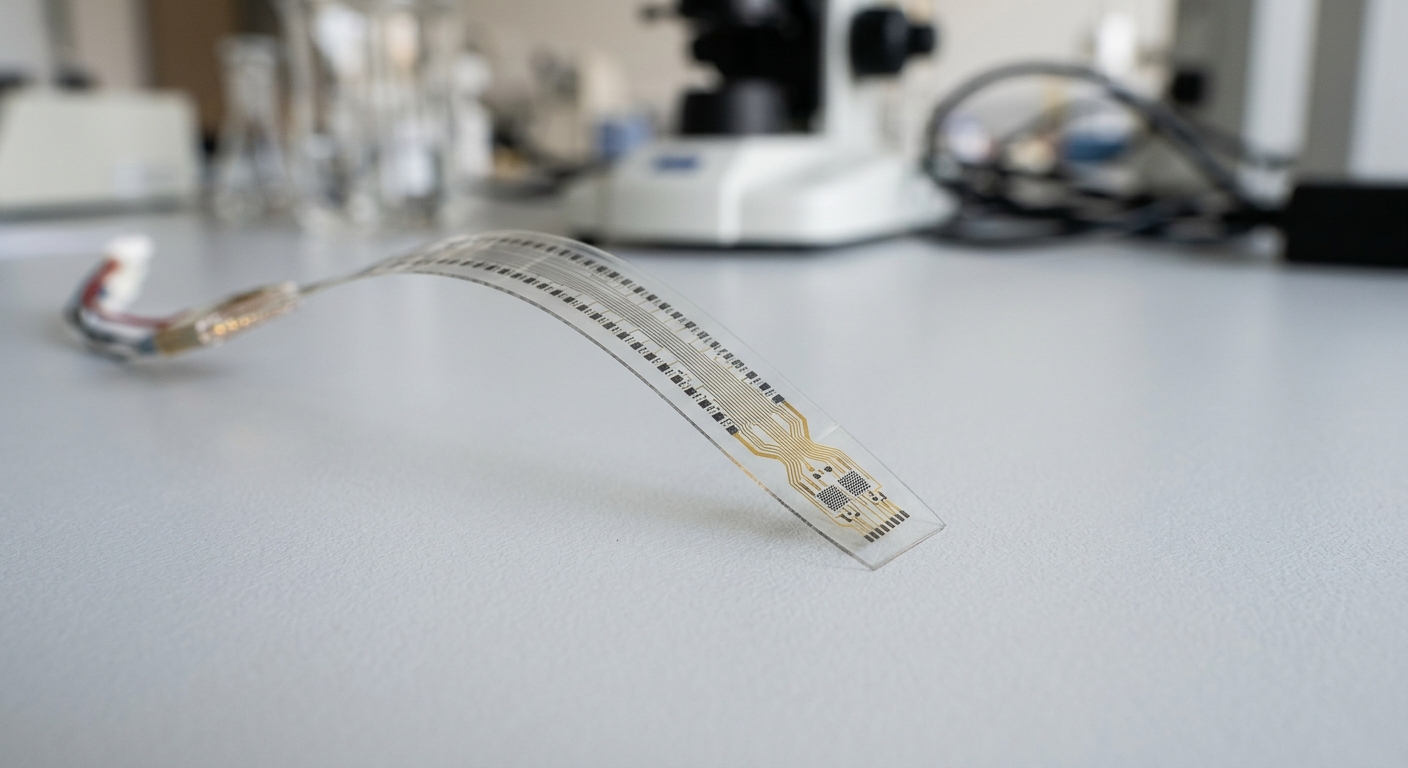
The addition of graphene increases the material’s surface area, which improves the loading and controlled release of therapeutic agents. Furthermore, the material’s high electrical conductivity allows for the possibility of ‘smart’ dressings that could eventually monitor healing progress in real-time by sensing changes in the wound environment.
Mechanisms of Accelerated Healing
The healing process involves complex biological signals. Graphene-enhanced materials influence this process through several distinct mechanisms:
| Mechanism | Benefit to Tissue |
|---|---|
| Cell Proliferation | Promotes faster migration of skin cells to the wound site. |
| Bacterial Defense | Inhibits pathogen colonization through direct contact. |
| Signal Integration | Supports electrical communication for nerve and muscle repair. |
Safety and Biocompatibility Considerations
As with any new biomedical material, the primary focus for researchers is biocompatibility. Studies are rigorously testing whether graphene particles can accumulate in the body or cause long-term inflammatory responses. The goal of current engineering efforts is to ensure the graphene is firmly embedded within the hydrogel matrix, preventing leaching while maintaining the material’s beneficial properties.
Future Outlook in Regenerative Medicine
The ultimate objective for this technology is the development of personalized wound management systems. As manufacturing techniques for graphene become more standardized, the cost of these advanced dressings could drop, making them accessible for clinical settings. Researchers are currently focusing on the scale-up of production and completing the necessary safety profiles required by medical regulatory bodies.
Frequently Asked Questions
Are graphene-enhanced hydrogels currently available in hospitals?
No, most graphene-based wound care products are still in the experimental or research phase. They are not yet standard-of-care products for hospitals.
How do these dressings prevent infection?
Graphene provides a physical barrier and has inherent antimicrobial properties that can disrupt bacterial cell membranes, potentially reducing the need for traditional antibiotic treatments.
Is graphene toxic to human skin cells?
Current research focuses on optimizing concentrations and material forms to ensure that the graphene remains non-toxic to human cells while retaining its therapeutic benefits.
Editorial Disclaimer
This article is provided for educational and informational purposes only. Details can change over time, so readers should verify important information with official sources, qualified professionals, manufacturers, publishers, or relevant authorities before making decisions.