How Graphene HVAC Coatings Are Changing Heat Exchange Efficiency
The integration of graphene-enhanced coatings into heating, ventilation, and air conditioning (HVAC) systems represents a significant shift in how industrial and commercial facilities manage thermal performance. By leveraging the exceptional thermal conductivity of graphene, these specialized coatings are designed to optimize heat transfer while providing robust environmental protection to delicate exchange surfaces.
Recent regulatory milestones in the United States have accelerated the commercial path for these materials, allowing manufacturers to move beyond pilot testing and into large-scale deployment. As energy efficiency standards tighten, facility operators are increasingly looking at these nanomaterial applications as a viable method to reduce operating costs and extend the service life of cooling infrastructure.
Key Takeaways
- Enhanced Conductivity: Graphene’s atomic structure allows for significantly improved heat dissipation compared to traditional coating materials.
- Regulatory Progress: Recent EPA clearances have removed major barriers, enabling the formal rollout of these coating systems in the North American HVAC market.
- Operational Benefits: Beyond cooling efficiency, these coatings often provide additional anti-corrosive properties, potentially reducing maintenance frequency.
- Scalability: Industry suppliers are transitioning from small-batch production to high-volume manufacturing to meet the cooling demands of data centers and large commercial buildings.
The Mechanics of Thermal Performance
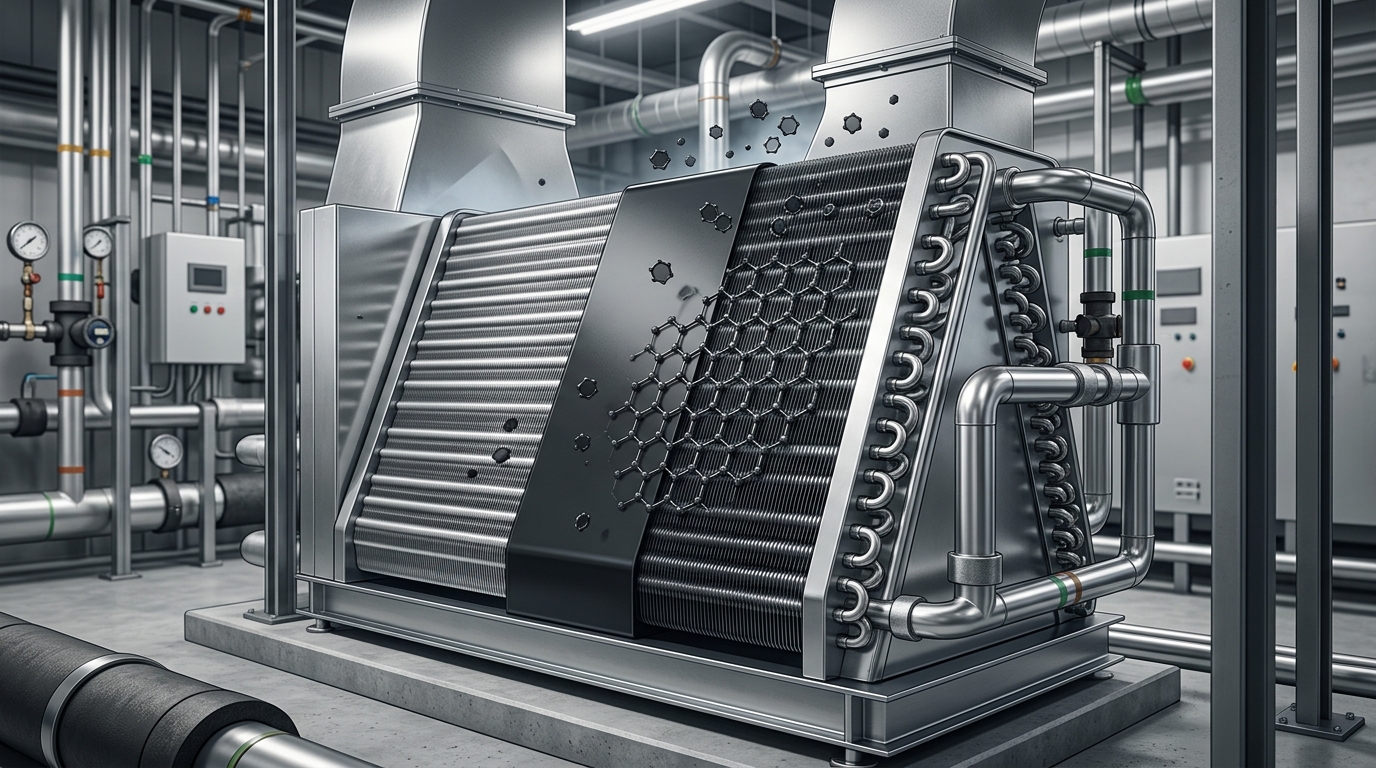
At the core of this technology is the ability to create an ultra-thin, highly conductive layer on metallic heat exchanger coils. Traditional coatings, while protective, often act as thermal insulators that can degrade system efficiency over time. In contrast, graphene-based coatings are engineered to be thin enough to maintain high thermal transfer rates while preventing the buildup of oxidation and biological contaminants.
When applied to HVAC components, these coatings create a hydrophobic surface that discourages the accumulation of dust and moisture. This not only keeps the heat exchange surfaces cleaner but also minimizes the energy required for the system to reach target temperatures.
Market Impact and Adoption
The shift toward graphene-enhanced HVAC solutions is largely driven by the needs of high-density computing and climate-controlled infrastructure. Data centers, in particular, face extreme thermal management challenges; even marginal gains in cooling efficiency can lead to substantial annual savings in energy consumption.
While the adoption curve is still in its early stages, the entry of major graphene manufacturers into the HVAC space signals a move toward commoditization. As more firms receive regulatory approval for their specific coating formulations, we expect to see wider availability and more competitive pricing for facility maintenance contracts.
What Facility Managers Should Watch
For those considering an upgrade to graphene-enhanced systems, the primary focus should be on application longevity and verified performance data. Because this is an emerging technology, it is essential to review the specific certifications provided by the manufacturer. Not all graphene coatings are identical, and performance may vary based on the carrier resin used, the concentration of graphene, and the method of application.
Frequently Asked Questions
Do graphene HVAC coatings require specialized application equipment?
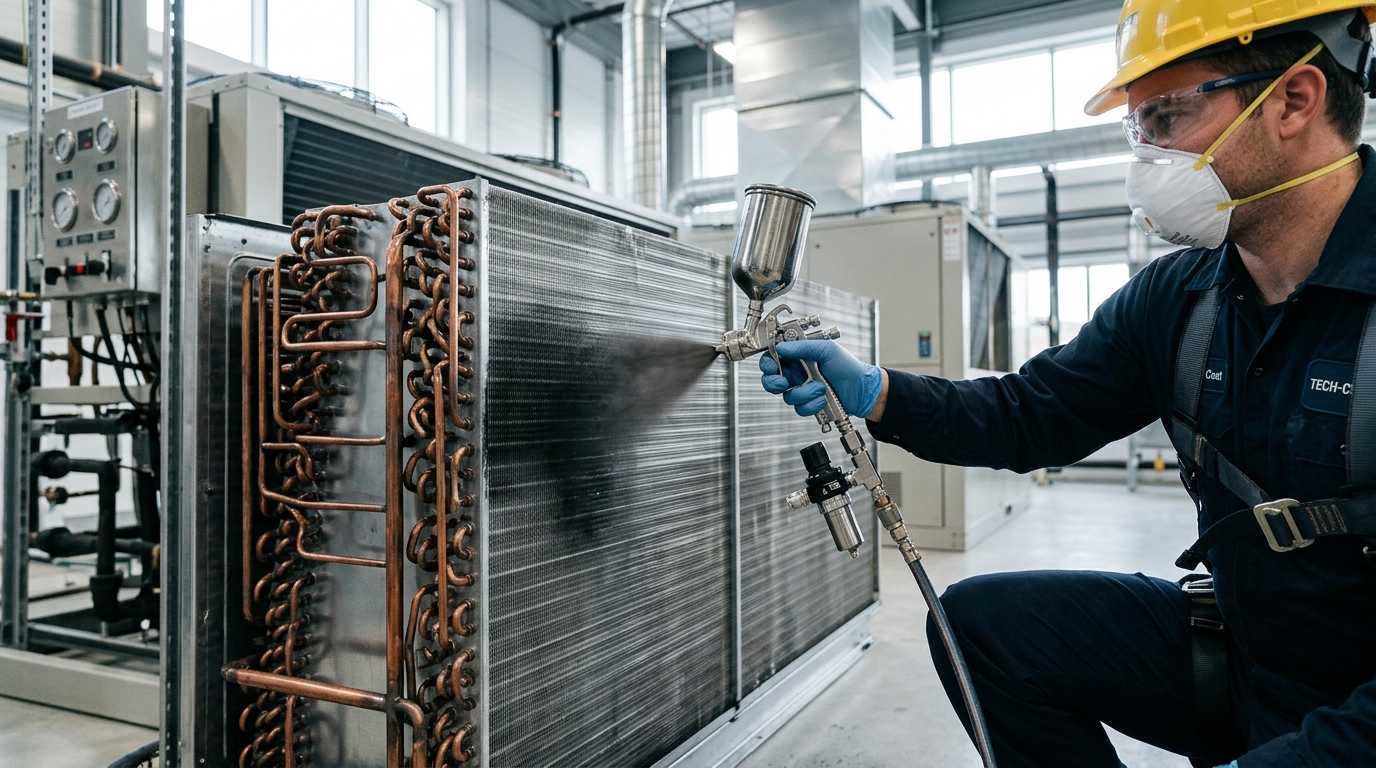
In many cases, these coatings are designed to be compatible with standard industrial spray systems, though specific curing requirements may apply. It is best to consult with the manufacturer’s technical data sheet for application parameters.
How do these coatings affect the physical weight of HVAC components?
Because graphene coatings are applied as an extremely thin film, they add negligible weight to the heat exchanger, ensuring they do not interfere with structural or mechanical load requirements.
Are these coatings resistant to chemical cleaning agents?
Yes, many of the current commercial-grade graphene coatings are formulated to withstand common industrial cleaning chemicals, which helps preserve the integrity of the coating through routine maintenance cycles.
Editorial Disclaimer
This article is provided for educational and informational purposes only. Details can change over time, so readers should verify important information with official sources, qualified professionals, manufacturers, publishers, or relevant authorities before making decisions.