
Graphene Sanitary Napkins: Benefits, Safety, and What Women Should Know
Graphene sanitary napkins are emerging as a next-generation feminine hygiene product, promoted for odor control, antibacterial properties, and improved comfort.
This article explains what graphene sanitary napkins are, how they work, their potential benefits, safety concerns, and what current science actually supports.
What Are Graphene Sanitary Napkins?
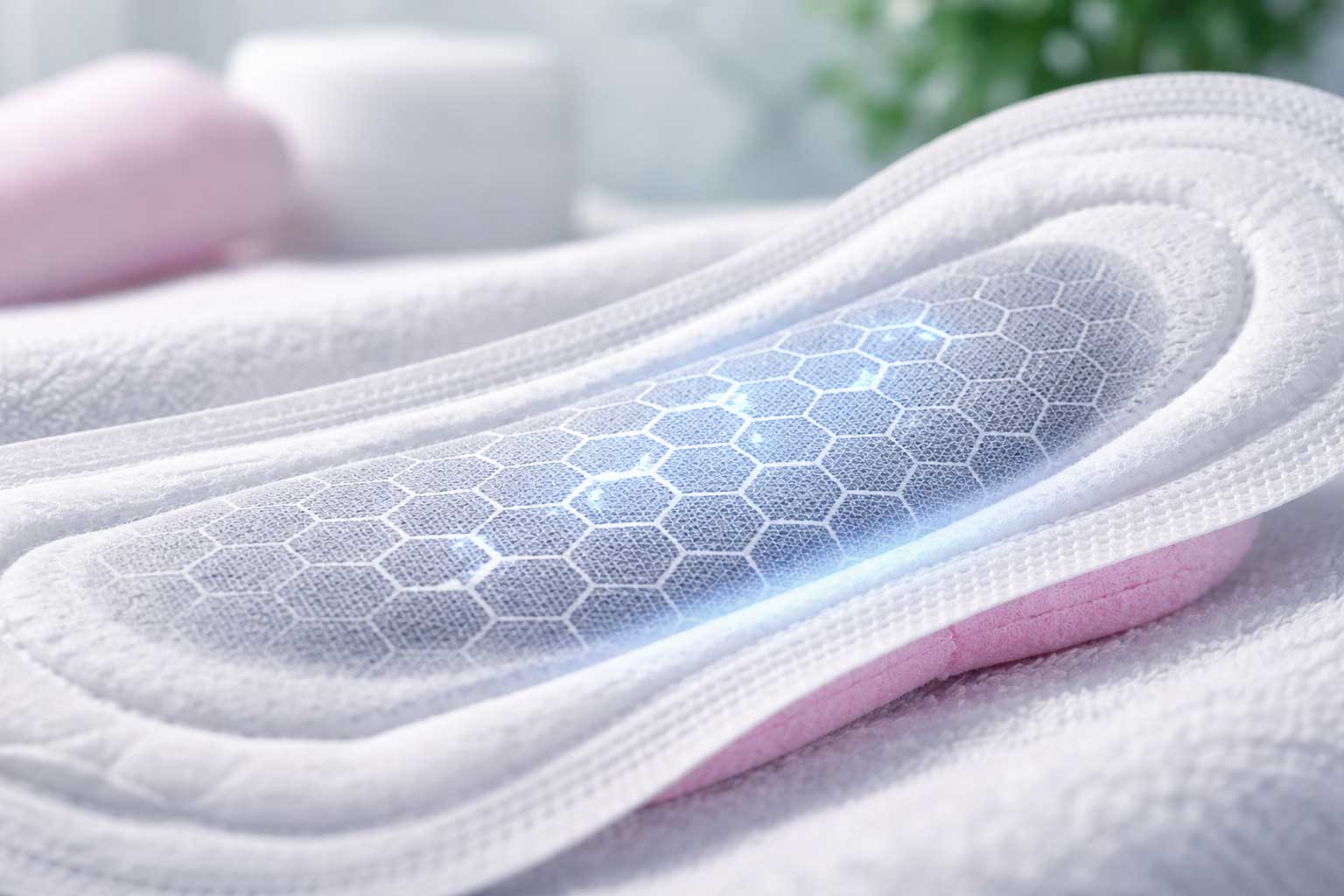
Graphene sanitary napkins are menstrual pads that incorporate graphene or graphene-derived materials into specific layers of the product. Rather than replacing the entire pad, graphene is typically integrated into the core or surface coating to enhance performance.
In most designs, graphene is embedded within nonwoven fabrics or polymer layers, where it remains fixed and does not exist as loose particles. The goal is to improve hygiene-related functions rather than absorbency alone.
How Graphene Is Used in Sanitary Pads
Manufacturers use graphene in sanitary napkins in controlled, composite forms. Common implementations include:
- Graphene-coated nonwoven surface layers
- Graphene-infused polymer films
- Graphene-enhanced antibacterial liners
In these applications, graphene is bonded to the pad structure, helping prevent bacterial growth while maintaining softness and flexibility.
Claimed Benefits of Graphene Sanitary Napkins
- Antibacterial properties: Helps inhibit odor-causing bacteria
- Odor control: Reduces bacterial-related smells
- Improved dryness: Enhances moisture distribution
- Skin comfort: Designed to reduce irritation
- Thermal balance: Helps regulate surface temperature
These benefits make graphene pads appealing to users seeking improved hygiene and comfort during menstruation.
Are Graphene Sanitary Napkins Safe?
Safety is the most important concern surrounding graphene hygiene products. Current evidence indicates that graphene embedded within finished sanitary products does not migrate through intact skin.
Health risks associated with graphene primarily involve inhalation of free nanoparticles in industrial environments. This scenario does not apply to consumer sanitary pads, where graphene is fixed within textile or polymer layers.
Medical and textile research shows that immobilized graphene exhibits low cytotoxicity when used in controlled, skin-contact applications. However, long-term population-level studies specific to menstrual products remain limited.
Regulatory Status and Oversight
Graphene sanitary napkins are regulated as consumer hygiene products. Safety requirements vary by country, and manufacturers are expected to comply with material safety, skin irritation, and biocompatibility standards.
Because graphene is still relatively new in feminine hygiene, regulatory frameworks continue to evolve. Responsible brands publish material disclosures, laboratory test results, and dermatological evaluations.
Potential Concerns and Limitations
- Lack of long-term usage studies
- Variable graphene quality between manufacturers
- Marketing claims exceeding scientific evidence
- Limited transparency in some low-cost products
Consumers should be cautious of exaggerated claims and choose products from reputable brands that provide safety documentation.
Environmental Considerations
Graphene itself is carbon-based, but sanitary napkins remain disposable products. Environmental impact depends more on overall pad composition than graphene alone.
Some manufacturers are exploring biodegradable materials combined with graphene coatings, but this remains an emerging area rather than a widespread solution.
Who Might Benefit Most?
- Users sensitive to odor issues
- Women prone to bacterial-related irritation
- Those seeking advanced hygiene technology
- Consumers interested in innovative materials
Future Outlook
Graphene sanitary napkins represent a broader trend toward smart and functional hygiene products. Future developments may focus on better transparency, extended safety studies, and improved sustainability.
As research advances, graphene may become a standard additive in hygiene textiles, provided safety and performance continue to be validated.
Frequently Asked Questions
Do graphene sanitary napkins contain loose graphene particles?
No. In consumer products, graphene is embedded within fabrics or coatings and does not exist as free particles.
Are graphene pads safe for daily use?
Current evidence suggests they are safe when purchased from reputable manufacturers that meet hygiene safety standards.
Can graphene pads cause skin irritation?
There is no confirmed evidence linking graphene pads to skin irritation when properly manufactured, though individual sensitivity can vary.
Are graphene sanitary napkins approved by health authorities?
They are regulated under standard hygiene product frameworks, though graphene-specific guidelines are still developing.
Are graphene pads better than regular pads?
They may offer added antibacterial and odor-control benefits, but absorbency and comfort still depend on overall pad design.