What Is Graphene Heating Film?
Graphene heating film is a next-generation electric heating technology designed to deliver fast, uniform, and energy-efficient warmth using ultra-thin carbon-based materials.
This article explains what graphene heating film is, how it works, where it is used, and why it is increasingly replacing traditional electric heating systems in homes, vehicles, and industrial applications.
Overview
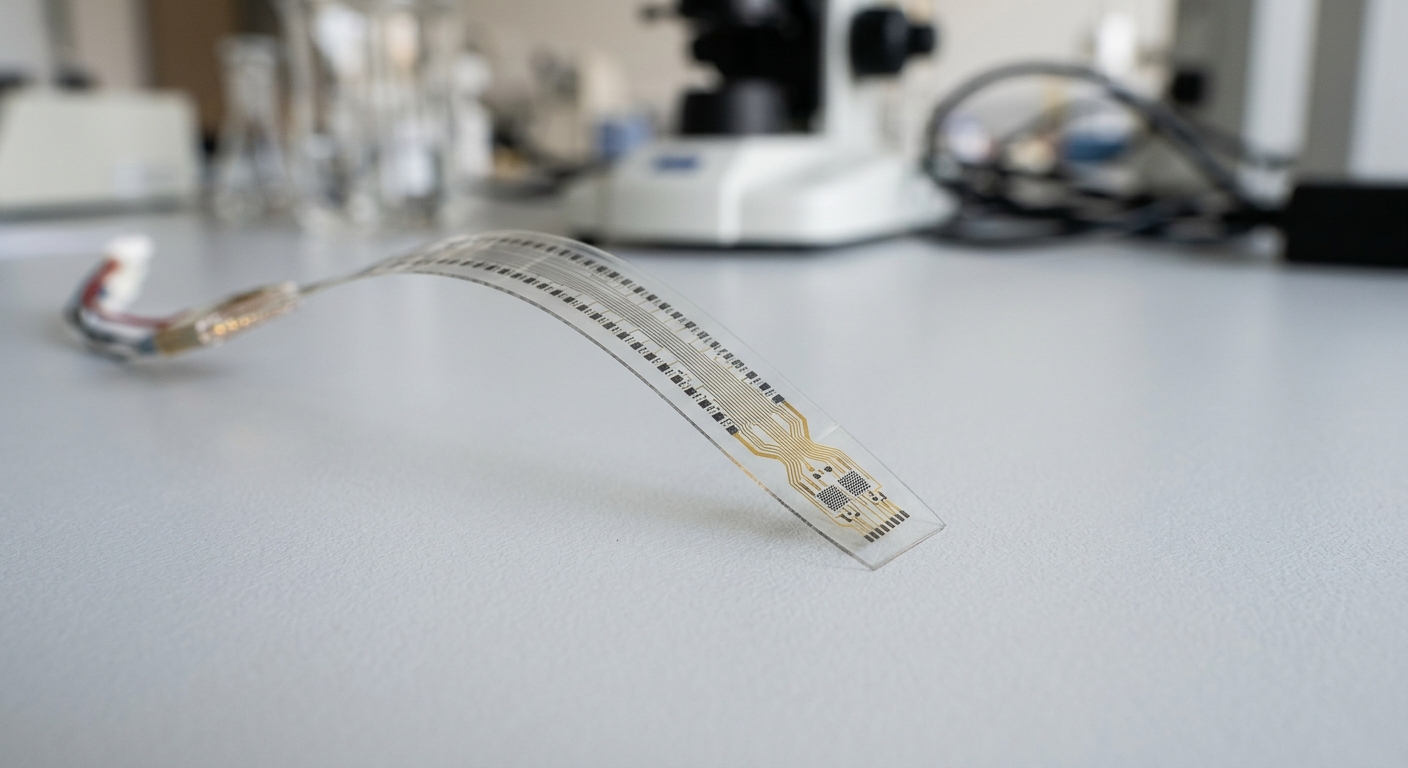
Graphene heating film is a flexible, paper-thin electric heating layer that produces heat when an electrical current passes through a graphene-based conductive network. Unlike traditional resistance wires or metal coils, the heating element is distributed evenly across the entire surface of the film.
This surface-based heating approach allows graphene heating film to warm spaces more uniformly, operate at lower voltages, and respond almost instantly when powered on.
How Graphene Heating Film Works
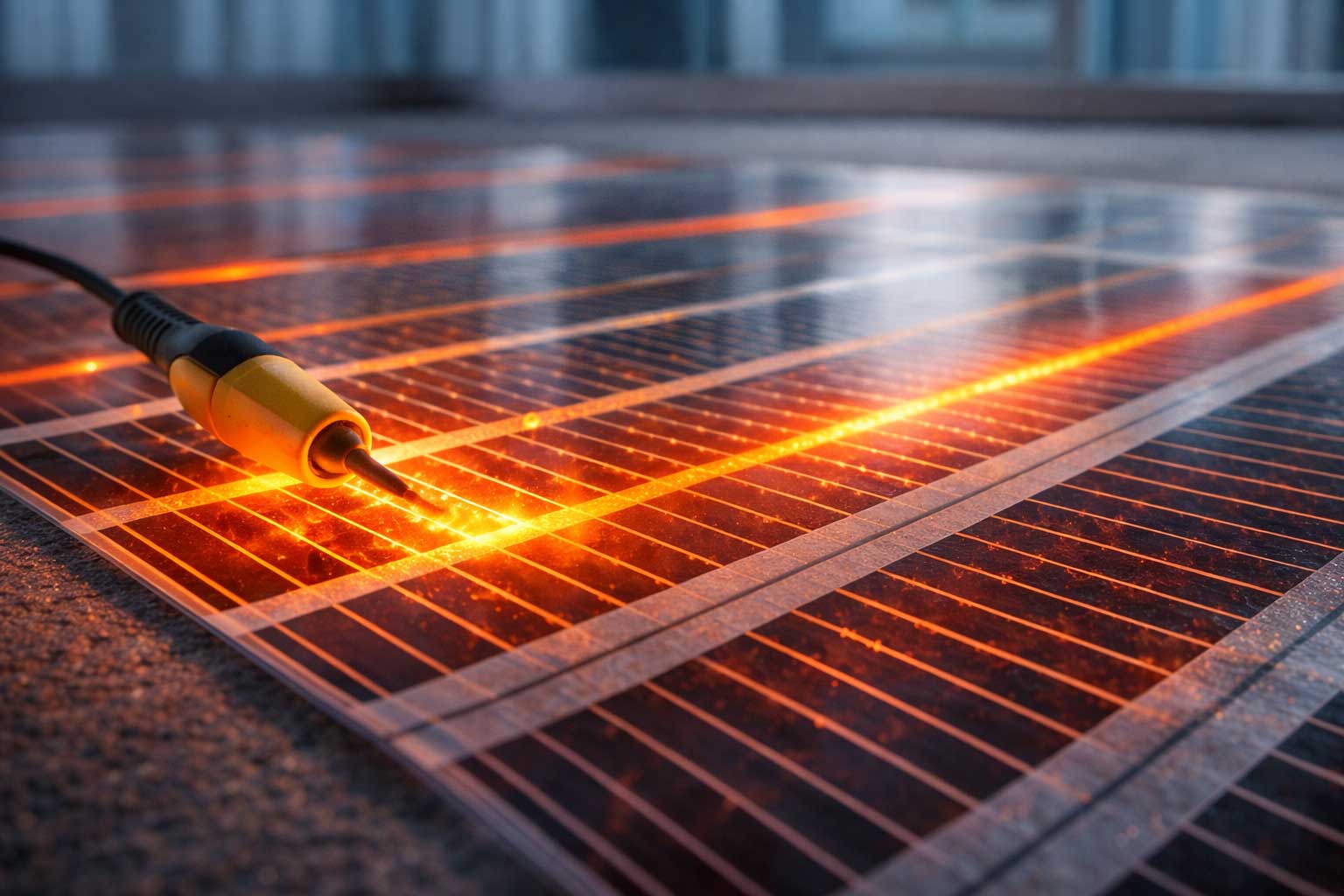
When electricity flows through the graphene layer, resistance within the material converts electrical energy into heat. Because graphene conducts electricity extremely efficiently, heat spreads evenly across the film rather than concentrating in hot spots.
Most graphene heating films emit far-infrared (FIR) heat. This type of heat warms objects and people directly instead of heating air first, resulting in greater comfort and reduced energy loss.
Key Characteristics
- Ultra-thin and lightweight construction
- Uniform surface heating with no hot spots
- Fast heat-up time (often under 1 minute)
- Low operating voltage options (12V–220V)
- Flexible and cut-to-size installation
Common Applications
- Underfloor heating systems
- Wall and ceiling radiant heating
- Electric blankets and heated bedding
- Automotive seat and panel heating
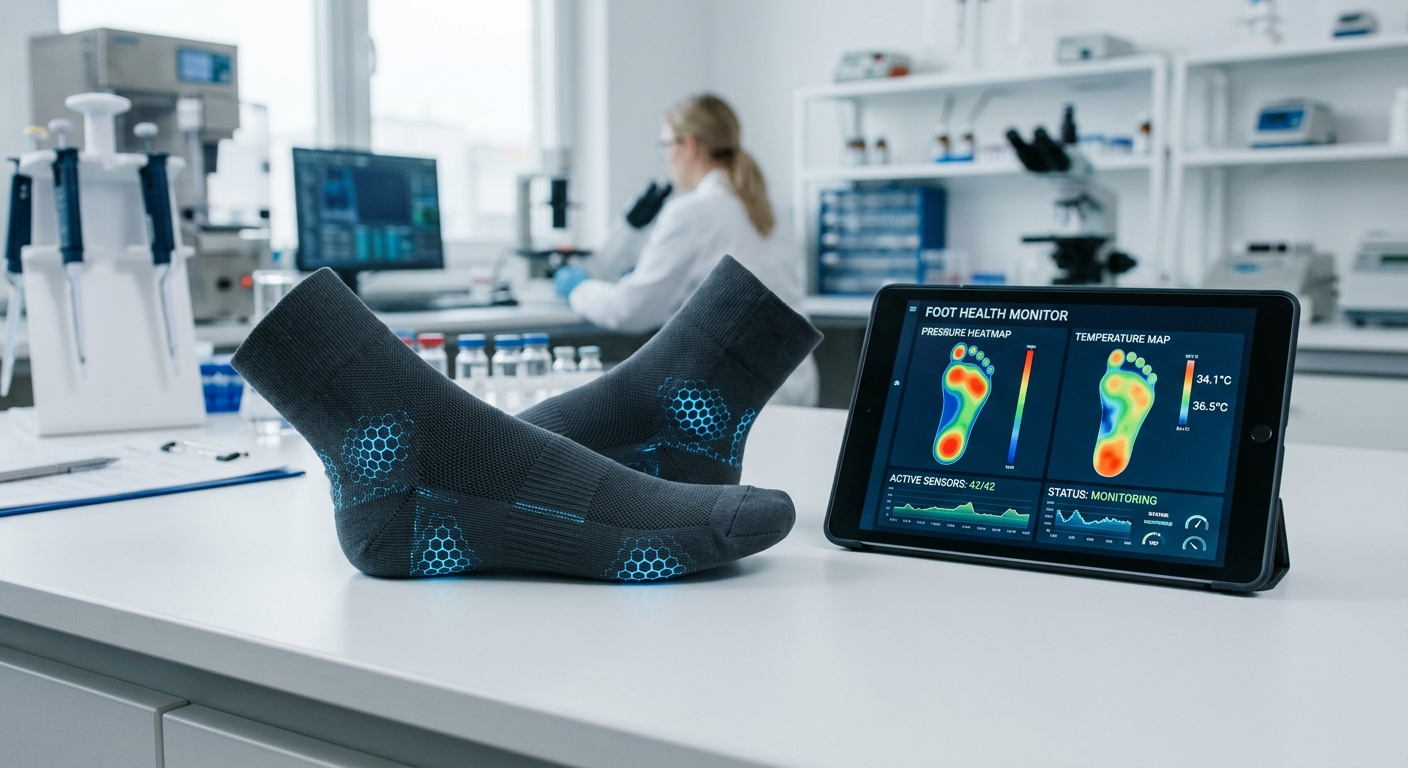
- Wearable heating garments
- Industrial temperature control panels
In residential settings, graphene heating film is often installed beneath flooring materials such as laminate, vinyl, wood, or tile. In vehicles and wearables, it is embedded into fabrics or panels where flexibility is essential.
Energy Efficiency Advantages
Graphene heating film is considered more energy-efficient than conventional electric heaters because it converts a higher percentage of electricity directly into usable heat. Its far-infrared output allows users to feel warm at lower ambient temperatures.
This efficiency can translate into reduced power consumption, especially when paired with smart thermostats and zoned heating systems.
Safety Features
- No exposed wires or heating coils
- Stable operating temperatures
- Low electromagnetic emissions
- Fire-resistant encapsulation layers
Most high-quality graphene heating films include built-in insulation layers and temperature limits to prevent overheating. When installed correctly, they meet international electrical and building safety standards.
Installation Considerations
Graphene heating film systems are typically easier to install than traditional underfloor heating cables. Sheets can be laid directly beneath flooring and connected in parallel circuits.
However, professional installation is recommended for permanent home systems to ensure correct insulation, electrical protection, and long-term reliability.
Limitations and Challenges
- Higher upfront cost than basic heating wires
- Quality varies significantly between manufacturers
- Requires compatible thermostats and controllers
- Not all flooring materials are suitable
Lower-cost products may use minimal graphene content and rely more heavily on carbon inks, reducing efficiency and lifespan. Product certification and manufacturer transparency are important when choosing a system.
Environmental Impact
Graphene heating film produces no on-site emissions and operates silently. Its environmental footprint depends largely on electricity sources and manufacturing practices.
When powered by renewable energy, graphene heating systems can form part of a low-carbon home heating strategy.
Future Outlook
As production techniques improve and costs decrease, graphene heating film is expected to see wider adoption in smart homes, electric vehicles, and wearable technology.
Ongoing research aims to increase durability, standardize performance ratings, and integrate graphene heating with energy storage and intelligent building systems.
Frequently Asked Questions
Is graphene heating film safe?
Yes. When properly manufactured and installed, graphene heating film operates at controlled temperatures and meets electrical safety standards.
Does graphene heating film use a lot of electricity?
No. Its high efficiency and far-infrared heat output often allow lower power consumption compared to traditional electric heaters.
Can graphene heating film be used under floors?
Yes. Underfloor heating is one of its most common and effective applications.
How long does graphene heating film last?
High-quality systems are typically rated for 20–30 years of operation when installed correctly.
Is graphene heating better than traditional electric heating?
In many applications, yes. It offers faster response times, more uniform heating, and improved comfort.