Graphene-based scaffold shows strong bone-repair results in Brazilian preclinical study
A graphene-containing biomaterial has shown unusually strong fracture-healing results in rats, with Brazilian researchers reporting nearly 90% repair one month after injury in a preclinical study published on April 1, 2026. The work, led by teams at the University of São Paulo and the Albert Einstein Faculty of Health Sciences, is now being positioned as a platform for advanced preclinical development rather than a finished medical product.
Graphene helps drive bone regeneration in a bioactive scaffold
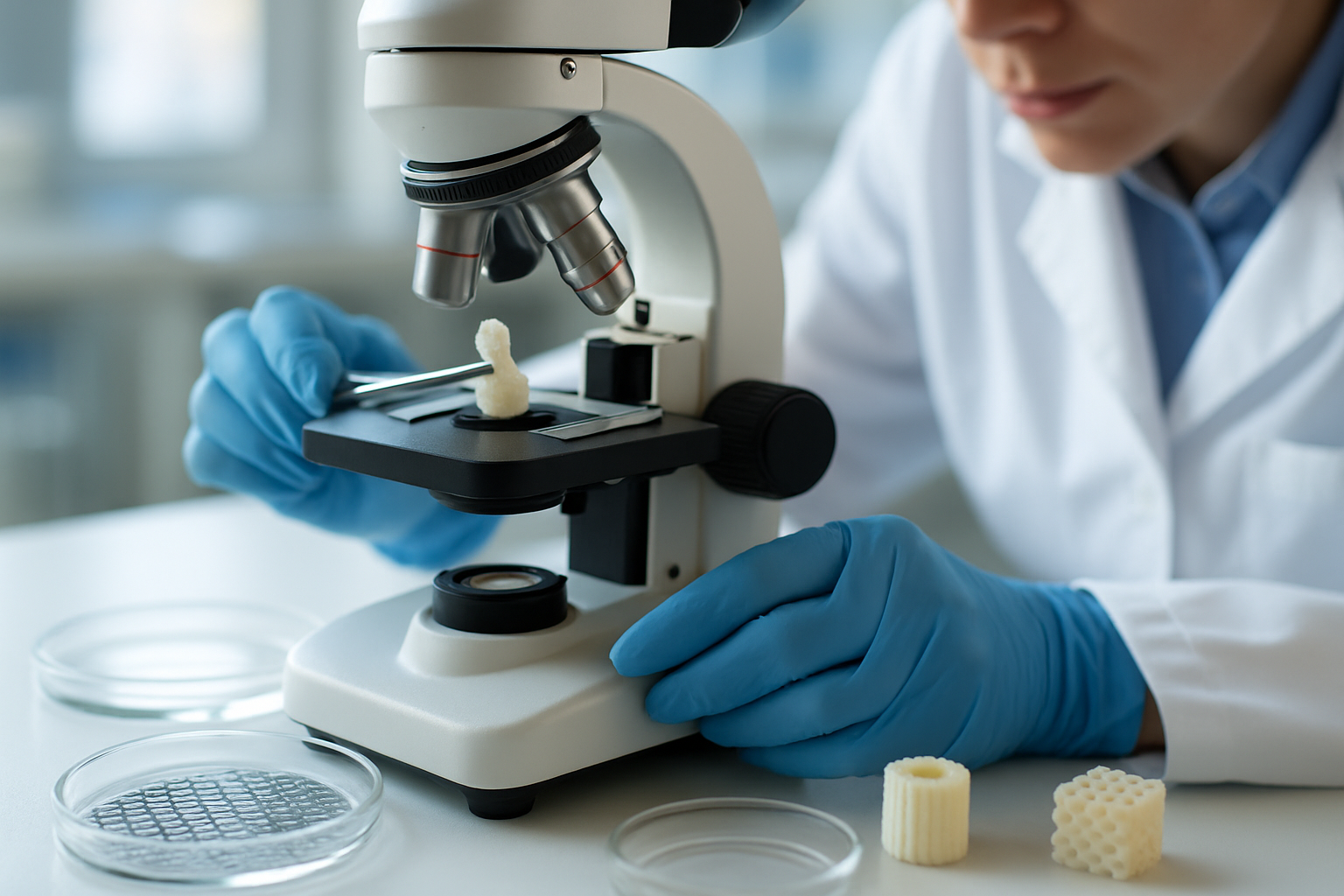
The researchers tested biocompatible scaffolds made from carbon derived from black liquor, a pulp-and-paper byproduct, combined with materials including graphene, graphene oxide, nanographite and chitosan-xanthan polymers. In the rat experiments, the graphene-containing matrix outperformed the other formulations and produced the strongest bone recovery signal after fractures were induced in the tibia.
The team says the material is designed to do more than serve as a passive implant. In this formulation, graphene is intended to promote cell adhesion, vascularization and osteogenic differentiation, helping create a three-dimensional environment that guides new bone formation. The scaffold’s pore structure, stiffness and particle distribution were also tuned to support tissue growth.
Why the preclinical data matter now
The result is notable because it suggests a route toward bone-regeneration materials that are temporary, biologically active and more adaptable than conventional permanent prostheses. For orthopedic repair, that could matter in cases of fracture healing, bone loss and congenital malformation, where clinicians need materials that integrate with tissue rather than simply replace it.
The researchers said the approach is in an advanced stage of preclinical development and could move toward clinical trials in the next steps. They also plan to test combinations with stem cells, including cells derived from baby tooth pulp, as they try to push the system beyond animal-model repair into a more controlled regenerative platform.
Black liquor gives the project an industrial angle
One of the more practical details in the study is the source material. By using black liquor, the team is working with a waste stream from the pulp and paper industry, which gives the scaffold concept a potential manufacturing and sustainability story beyond the laboratory bench. The study’s authors frame the material as a tissue-engineering scaffold rather than a permanent implant, a distinction that will matter if the platform advances into human testing.
For now, the most concrete milestone is the preclinical signal itself: a graphene-based scaffold that delivered the strongest fracture-repair outcome in the study and has been explicitly described by the researchers as a step toward clinical translation.
Source: EurekAlert! / Fundação de Amparo à Pesquisa do Estado de São Paulo
Date: 2026-04-01