Graphene Flagship Backs STAND Project to Develop Smart Socks for Preventing Diabetic Foot Complications
A New Wearable Solution for Diabetic Foot Syndrome
Diabetic foot syndrome remains a critical global health challenge. Driven by the rising prevalence of diabetes, many patients suffer from nerve damage and poor blood circulation, leading to a loss of sensation in their feet. Without the ability to feel pain or discomfort, minor irritations can quickly escalate into severe ulcers, infections, and potentially amputations.
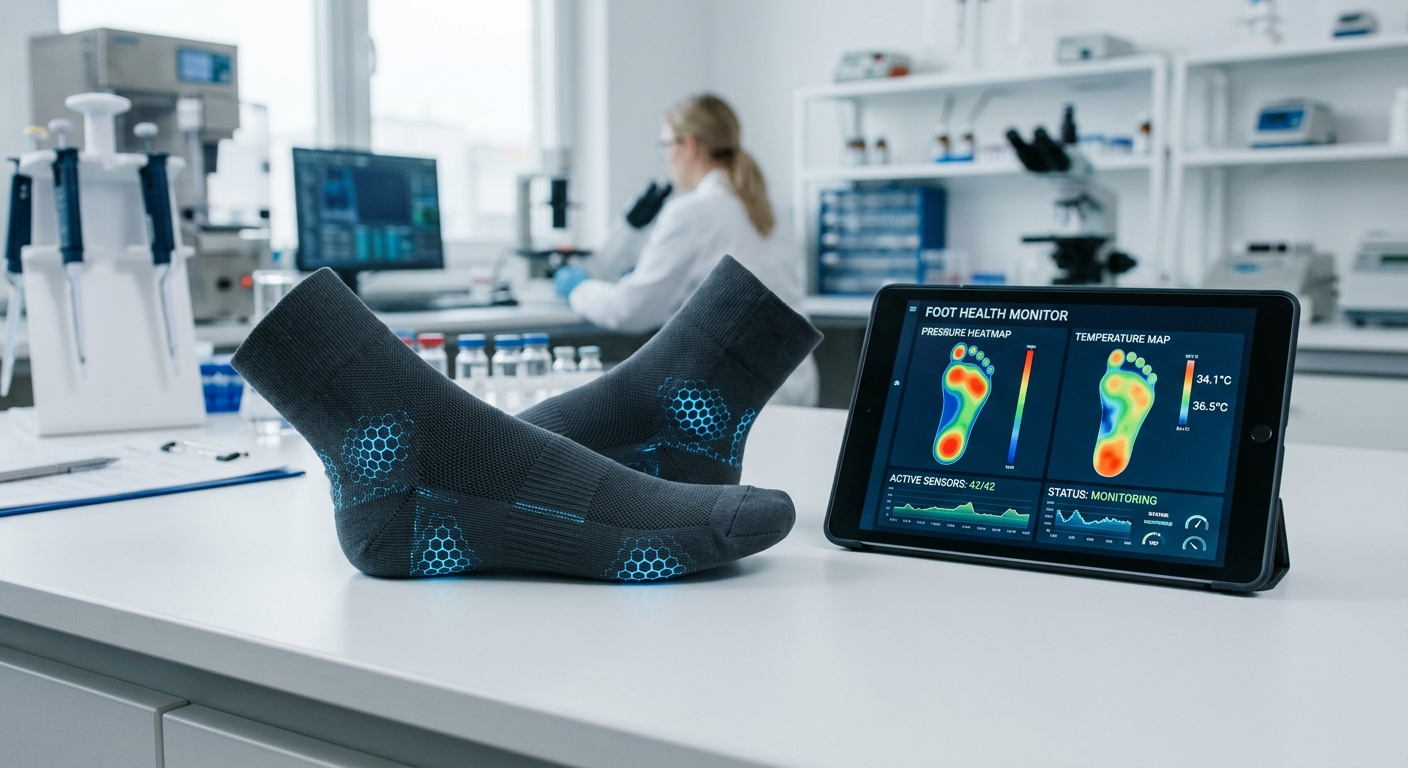
To address this pressing medical issue, the Graphene Flagship has welcomed a new European research initiative called the STAND project (Sensing Textiles enabled with Advanced Novel materials for Diabetic foot care). Led by Coventry University, the project aims to develop a specialized “Smart Sock” that continuously monitors the feet of diabetic patients, offering a proactive approach to managing the condition.
Advanced Materials Meet Flexible Electronics
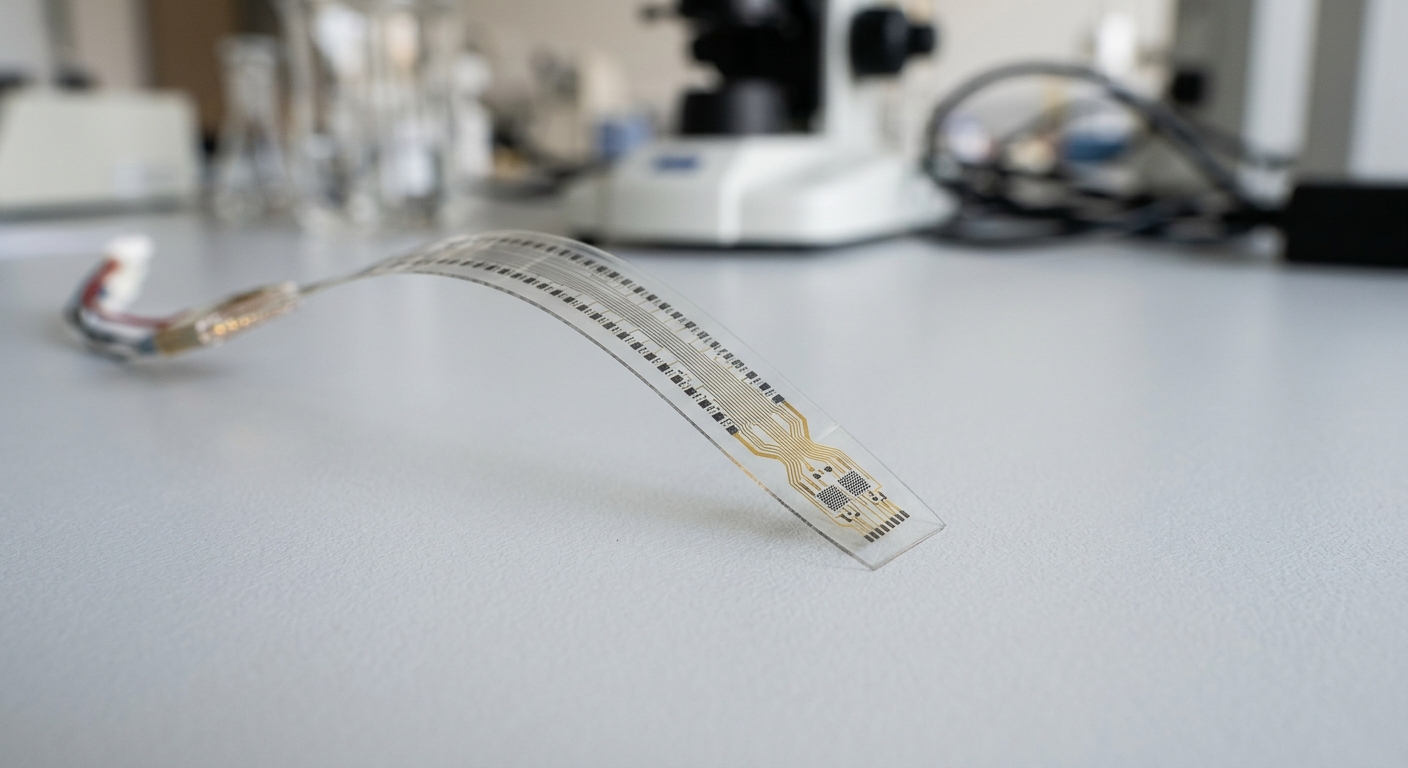
The core of the STAND project’s innovation lies in its integration of graphene and other two-dimensional (2D) materials directly into textiles. By utilizing these advanced materials, researchers plan to create highly flexible, low-profile sensors capable of tracking key physiological indicators in real time. The smart sock will continuously measure three critical variables:
- Pressure: Identifying localized stress points that could lead to skin breakdown.
- Temperature: Detecting early signs of inflammation or infection.
- Humidity: Monitoring moisture levels that might compromise skin integrity.
Unlike rigid, traditional electronic sensors, graphene-based sensors can be woven seamlessly into fabric. This ensures the sock remains comfortable, washable, and practical for daily wear, which is essential for patient compliance and long-term monitoring.
Machine Learning Translates Data into Actionable Insights
Gathering continuous sensor data is only the first step. To make this information useful, the STAND project is developing machine learning algorithms and explainable data models. These digital systems will process the stream of pressure, temperature, and humidity readings, translating them into clear risk signals.
If the system detects a dangerous spike in temperature or prolonged pressure on a specific part of the foot, it will alert both the patient and their healthcare provider. This early warning system allows for timely medical intervention, potentially preventing the formation of ulcers before they require hospitalization.
A Collaborative European Consortium
The three-year project represents a highly collaborative effort, bringing together academic institutions, deep-tech startups, and clinical research centers from across Europe. Led by Coventry University’s Research Centre for Manufacturing and Materials and the Research Centre for Arts and Creative Cultures, the consortium includes several key partners:
- Printed Electronics Ltd (United Kingdom)
- Sensing Tex (Spain)
- Instituto Tecnológico de Aragón (ITA) (Spain)
- Instituto de Investigación Sanitaria Aragón (Spain)
- Istanbul Technical University (Turkey)
- Łukasiewicz-Łódzki Instytut Technologiczny (Poland)
According to Professor Andrew Cobley, the project’s Principal Investigator at Coventry University, combining these diverse strengths in materials science, human-centered design, and clinical research is vital to creating a practical, user-friendly medical device that improves patient outcomes.
Prioritizing Sustainability in Healthcare Tech
Beyond its clinical benefits, the STAND project is committed to environmental sustainability. The research team is utilizing low-impact materials and circular design principles to minimize the product’s environmental footprint. By focusing on recyclability and eco-friendly manufacturing processes from the outset, the consortium aims to establish a new standard for green medical wearables.
This initiative is funded under the European Commission’s Horizon Europe research and innovation programme. By integrating advanced 2D materials into everyday healthcare solutions, the project seeks to bolster Europe’s leadership in smart textiles while easing the financial and operational strain on global healthcare systems.