Why AI Compute Density Is Pushing Graphene Beyond the Lab
The race to build increasingly powerful AI models has hit a physical wall. Modern data centers are not just hungry for electricity; they are trapped by the architectural constraints of silicon-based microchips. As transistor density increases, the wiring—or interconnects—that links these components together has become a primary bottleneck, leading to massive heat buildup and data transmission lag.
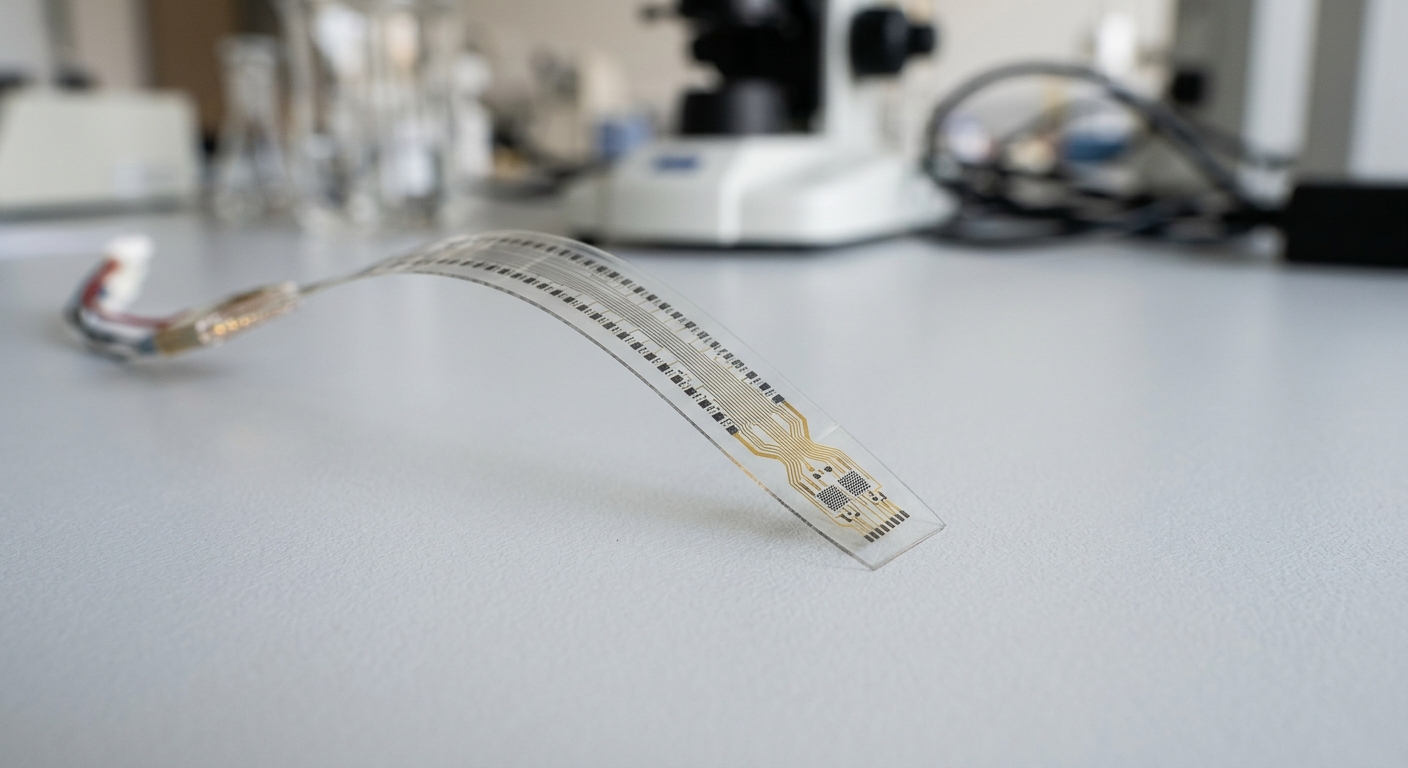
Engineers are now looking past conventional copper for a solution. Graphene is moving from a theoretical marvel in university research to a viable candidate for the next generation of high-speed, high-density AI hardware.
The Interconnect Bottleneck
In current high-performance chips, copper wiring is used to move electrons between logic gates. However, as these wires shrink to the nanometer scale, copper experiences significant resistance and electromigration issues. It simply gets too hot and cannot handle the traffic required for real-time AI workloads. This is where the unique properties of two-dimensional carbon materials come into play.
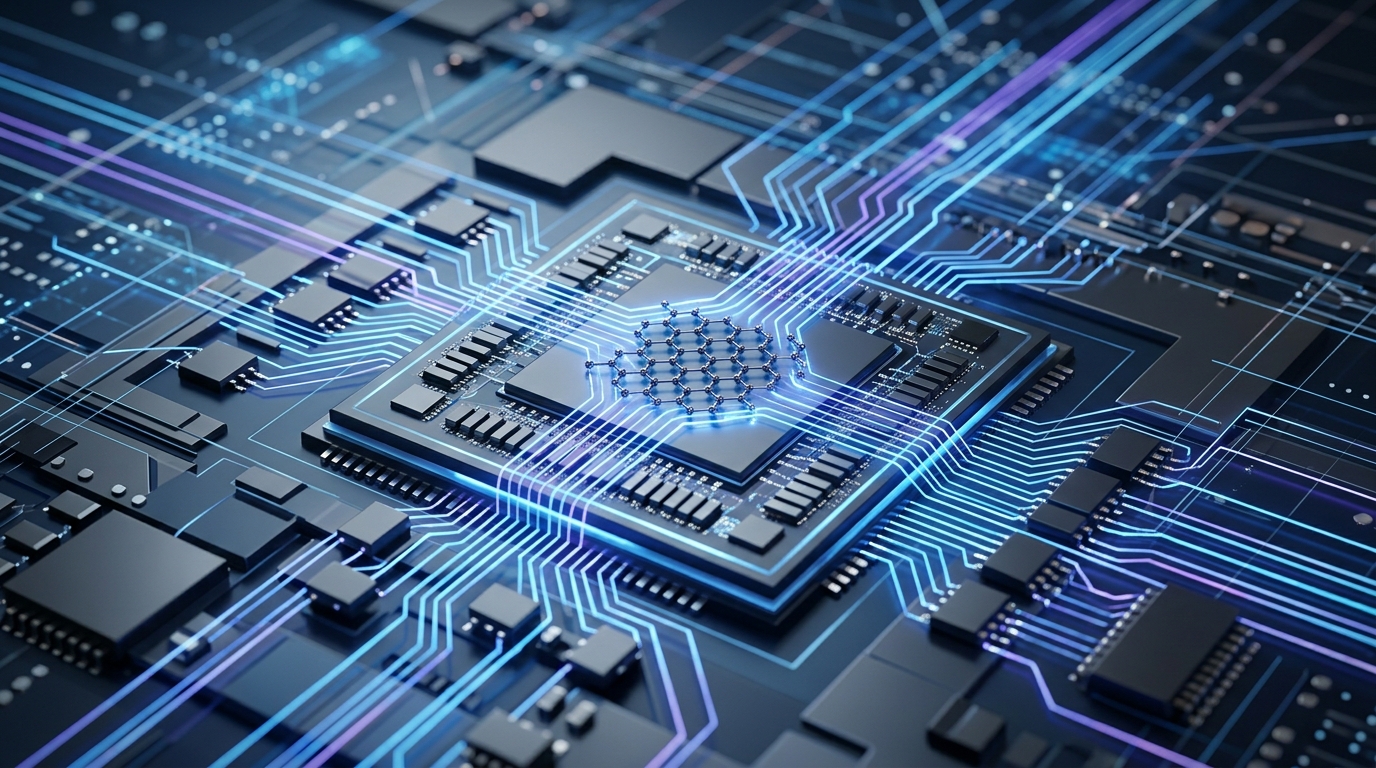
Unlike copper, graphene offers exceptional electron mobility and high thermal conductivity at an atom-thin scale. By integrating graphene into the interconnect layer, manufacturers hope to shrink the footprint of chip wiring while simultaneously reducing the energy lost as heat. This shift could theoretically allow for tighter, more efficient compute modules that stay cool even under the intense load of generative AI training.
Scaling from Research to Production
The transition from a lab-grown sheet of graphene to a reliable semiconductor component is the industry’s current focus. The challenge lies in deposition methods—how to grow high-quality graphene directly onto wafers without damaging the delicate circuit structures underneath. Recent developments in low-temperature chemical vapor deposition have brought this process closer to industrial viability.
While the industry is not yet abandoning silicon, the integration of graphene as a specialized interconnect material represents a hybrid path forward. Companies currently developing high-end AI hardware are keenly watching these material breakthroughs, as the winner of the AI hardware war will likely be the one who can pack the most processing power into the smallest, coolest footprint.