Group14 says its South Korea silicon battery material plant has started EV-scale production
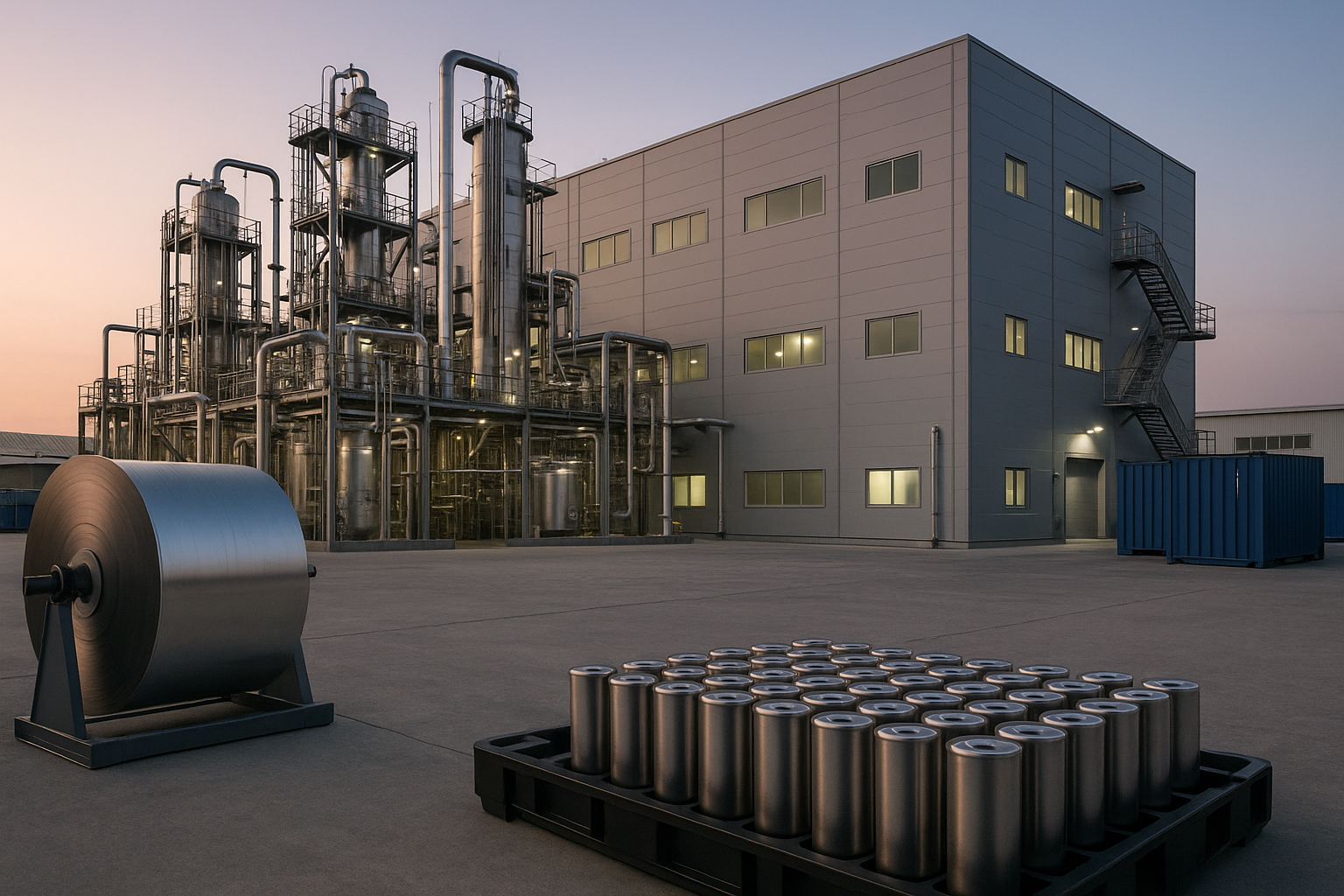
Group14 Technologies said its newest silicon battery materials factory in Sangju, South Korea, has begun EV-scale production, giving one of the sector’s best-known silicon-anode developers a larger manufacturing base as battery makers push for faster charging and higher energy density.
Sangju plant targets 2,000 metric tons a year
The company said the facility is designed to produce up to 2,000 metric tons annually of its proprietary SCC55 material, equivalent to about 10 GWh of battery capacity as production ramps. Group14 described the plant as the world’s first EV-scale silicon battery materials factory.
The South Korean site operates alongside Group14’s commercial facility in Woodinville, Washington, while a second U.S. factory in Moses Lake is nearing completion. Group14 said the Sangju location was chosen to be close to major battery manufacturers in Asia and to support direct integration into commercial cell production lines.
Why silicon anodes matter for battery makers
Silicon anodes are widely watched because they can store more lithium than conventional graphite, but they have long faced durability and swelling problems that have slowed mass-market adoption. Group14 says SCC55 is already being used in commercial battery programs with partners including ATL, Molicel, Sionic Energy, InoBat and V4Smart.
The company also said customers using the material have reported extreme-fast-charging performance, including a full recharge in 90 seconds in some demonstrations, along with energy-density gains in other designs. Those figures are partner-reported and depend on the battery architecture in use.
Supply chain pressure adds urgency
Group14 framed the expansion as more than a manufacturing milestone, saying it improves supply-chain security for battery makers looking for alternatives to graphite-heavy designs and more non-China sources of advanced anode materials. The company said it has raised more than $1 billion in equity to build out its global silicon battery materials platform.
The practical significance is straightforward: if production at Sangju scales as planned, it gives battery developers a larger commercial supply of a silicon-based material that has moved from laboratory promise into industrial deployment. For now, that makes the South Korea factory one of the clearest signals that silicon anodes are entering a broader manufacturing phase.
Source: PR Newswire
Date: 2026-03-12T08:02:00-04:00