
Industrial Graphene Coatings: Shifting From Pilot Testing to Shop Floor Reality
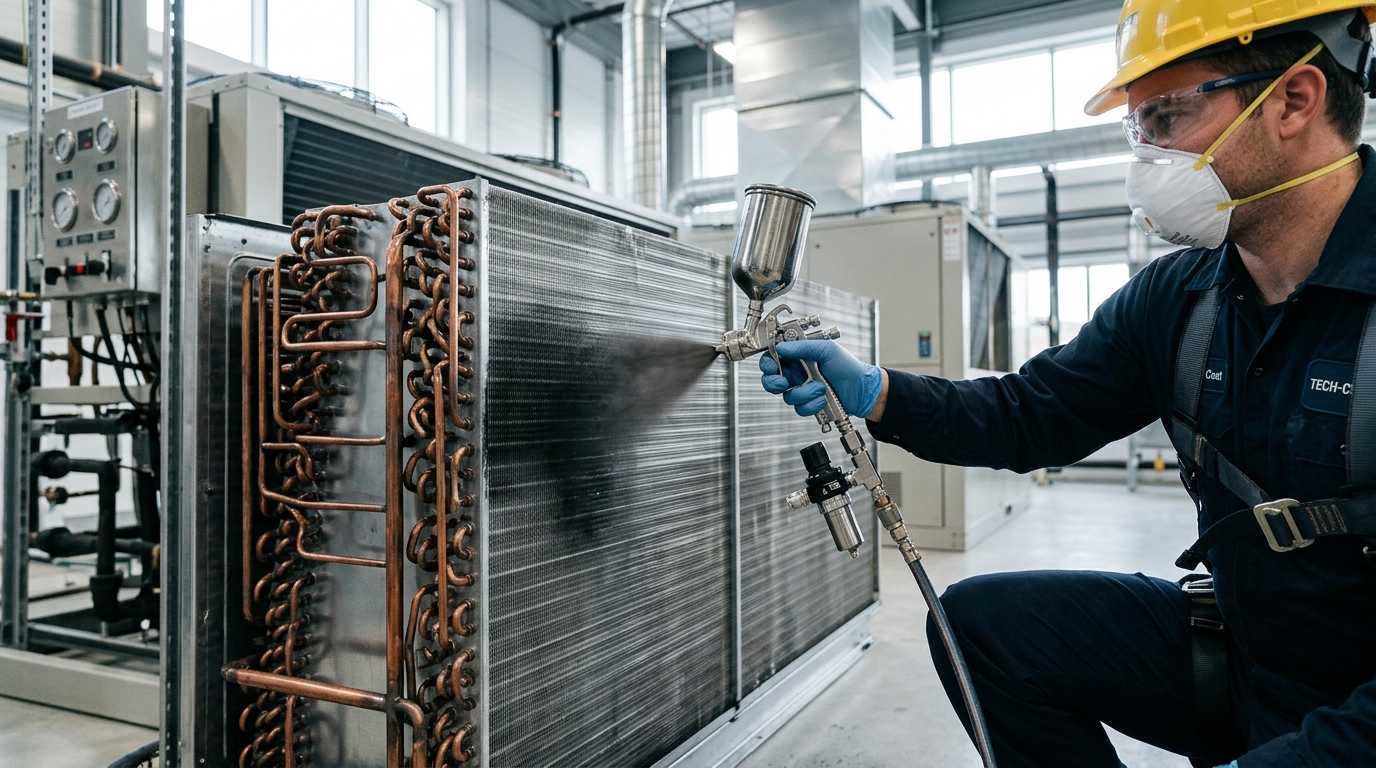
Industrial graphene coatings are rapidly transitioning from the experimental laboratory setting into practical, high-performance applications on the manufacturing shop floor. By integrating nanometer-thin layers of graphene into resins and paints, manufacturers are achieving unprecedented levels of protection against corrosion, wear, and thermal degradation in critical infrastructure and machinery.
While graphene has long been touted for its theoretical strength and conductivity, 2026 marks a significant turning point as supply chain stability improves and international regulatory bodies clarify the pathways for commercial deployment. Understanding this transition is essential for industrial buyers and engineers who need to distinguish between marketing hype and measurable, long-term performance gains in harsh operating environments.
Key Takeaways
- Material Advantage: Graphene’s atom-thin structure provides a highly impermeable barrier that blocks oxygen and moisture, significantly slowing down corrosive processes on metals.
- Scalability Shift: The industry is moving past the pilot-phase limitations, with standardized, high-volume production now supporting larger industrial coating contracts.
- Regulatory Compliance: Recent approvals from agencies like the U.S. EPA are simplifying the legal landscape for companies looking to adopt these advanced materials.
- Cost-to-Value Ratio: While initial application costs remain higher than traditional coatings, the potential for reduced maintenance frequency and longer asset lifespan is driving adoption.
How Graphene Enhances Industrial Surfaces
The primary value of graphene in an industrial coating lies in its unique tortuous path effect. When dispersed effectively within a binder, graphene flakes create a complex, microscopic maze for corrosive agents like salt, water, and humidity. These agents must travel a significantly longer path to reach the underlying substrate, delaying the onset of rust and oxidation compared to standard, non-modified coatings.
Beyond corrosion, graphene-enhanced coatings are increasingly utilized for their thermal management properties. In high-heat industrial environments, these coatings can dissipate heat more efficiently, protecting components from thermal stress and potentially increasing the operating efficiency of machinery and electronics housed within treated enclosures.
Market Context and Regulatory Landscape
For several years, the lack of standardized, high-quality graphene supply hindered commercialization. Today, the landscape is defined by consolidation and scale. Several leading material manufacturers have completed the transition to second-generation production facilities, allowing them to produce consistent, high-purity graphene grades at industrial scales (exceeding 100 tonnes annually in some regions).
Regulatory clarity has been the final hurdle. With recent successful registrations and clearance for commercial sales in major markets like the United States, Europe, and the U.K., manufacturers no longer have to rely on restrictive R&D-only exemptions. This has opened the door for established coating suppliers to integrate graphene additives into their existing product lines, making it easier for industrial end-users to procure these materials through traditional supply chains.
What Industrial Buyers Should Watch
If your organization is considering integrating graphene coatings, prioritize verification over vendor claims. Not all graphene is equal; the quality of the dispersion—how well the graphene is mixed into the liquid medium—is just as important as the concentration of the graphene itself. Poor dispersion can lead to clumping, which actually compromises the coating’s structural integrity.
| Metric | Standard Industrial Coating | Graphene-Enhanced Coating |
|---|---|---|
| Corrosion Resistance | Baseline | High (Enhanced barrier) |
| Thermal Conductivity | Low | Improved (Heat dissipation) |
| Application Method | Standard Spray/Brush | Standard (Requires proper mixing) |
| Maintenance Cost | Higher (More frequent) | Lower (Longer asset lifespan) |
Frequently Asked Questions
Are graphene coatings difficult to apply?
Generally, no. Most modern industrial graphene coatings are formulated to be compatible with existing spray, brush, or dip application equipment. The primary requirement is ensuring the coating is properly agitated or mixed according to the manufacturer’s instructions to maintain consistent graphene dispersion.
Do graphene coatings protect against all types of corrosion?
While graphene excels at creating a barrier against moisture and environmental salts, industrial buyers should consult with manufacturers regarding specific chemical resistance. The performance of the coating depends heavily on the base resin system used in combination with the graphene.
How do I verify the quality of a graphene coating?
Look for technical data sheets (TDS) that specify the type of graphene used (e.g., graphene nanoplatelets vs. graphene oxide) and request performance validation data based on standardized testing, such as salt spray tests (ASTM B117).
Editorial Disclaimer
This article is provided for educational and informational purposes only. Details can change over time, so readers should verify important information with official sources, qualified professionals, manufacturers, publishers, or relevant authorities before making decisions.