Graphene Industrial Coatings: Why Adoption Is Accelerating in 2026
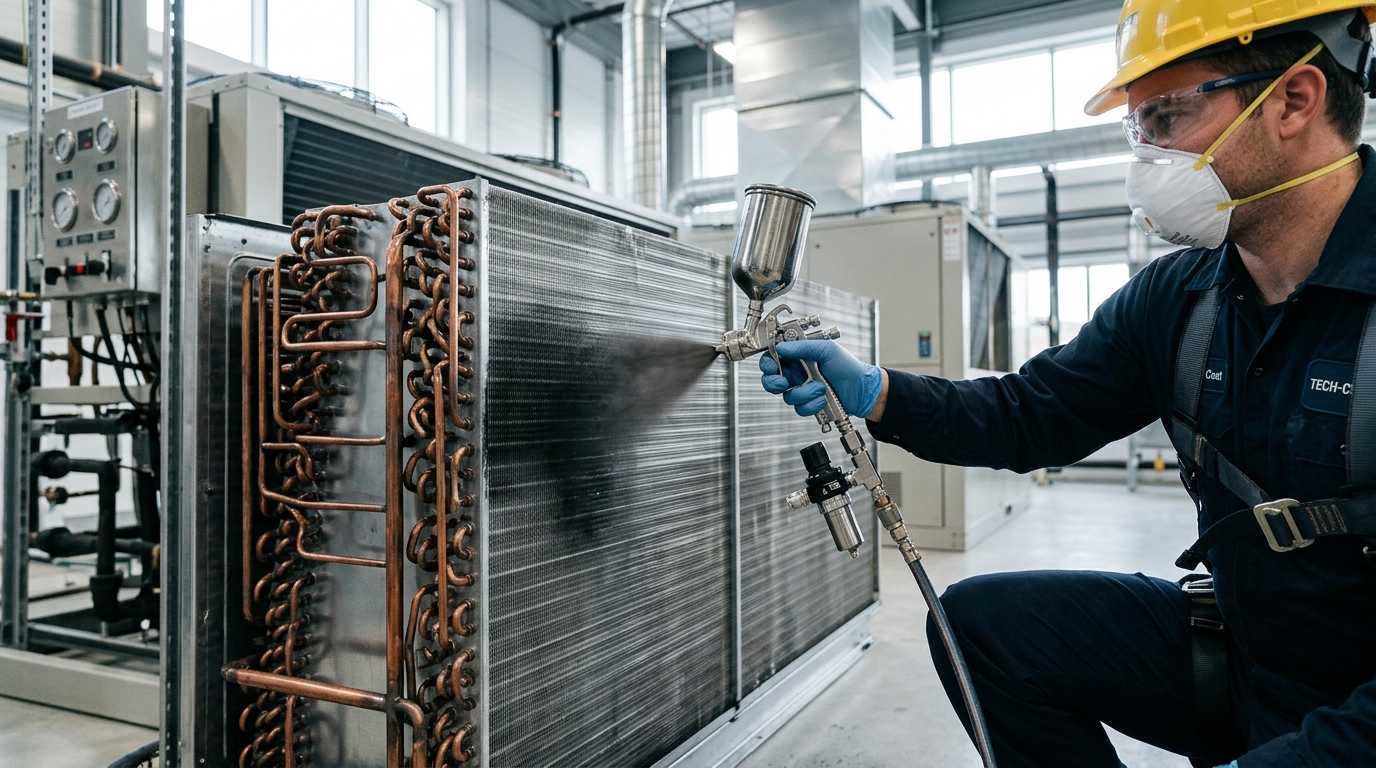
The industrial landscape is currently seeing a significant shift as graphene-enhanced coatings transition from experimental pilot projects into mainstream commercial applications. By integrating graphene into resins and paints, manufacturers are achieving unprecedented improvements in durability, corrosion resistance, and thermal management for heavy-duty infrastructure.
This surge in adoption is largely driven by recent, major regulatory approvals in the United States and international markets, which have finally cleared the path for large-scale sales. While performance claims remain highly dependent on the specific graphene grade and formulation used, the industry is now moving past the “proof of concept” phase toward standardized industrial implementation.
Key Takeaways
- Regulatory Breakthroughs: Recent U.S. EPA and international REACH clearances have removed the largest bottleneck for the commercial sale of graphene-based coatings.
- Performance Advantages: These coatings are primarily sought for superior corrosion protection, heat dissipation in electronics, and extreme-environment durability.
- Market Maturation: Manufacturing capacity has scaled significantly in 2026, allowing for consistent supply needed by large industrial clients.
- Implementation Reality: Success depends on the quality of the graphene dispersion within the coating; poorly dispersed graphene can lead to inconsistent protection.
What Is Changing in 2026
For several years, the primary barrier to graphene adoption was not performance, but rather regulatory uncertainty and the lack of reliable, large-scale supply chains. In 2026, those barriers have largely collapsed. Companies that previously conducted limited field trials are now moving toward full-scale industrial rollouts. The focus has shifted from “can graphene improve this coating?” to “how quickly can we integrate this into our existing production lines?”
Performance Benefits of Graphene Integration
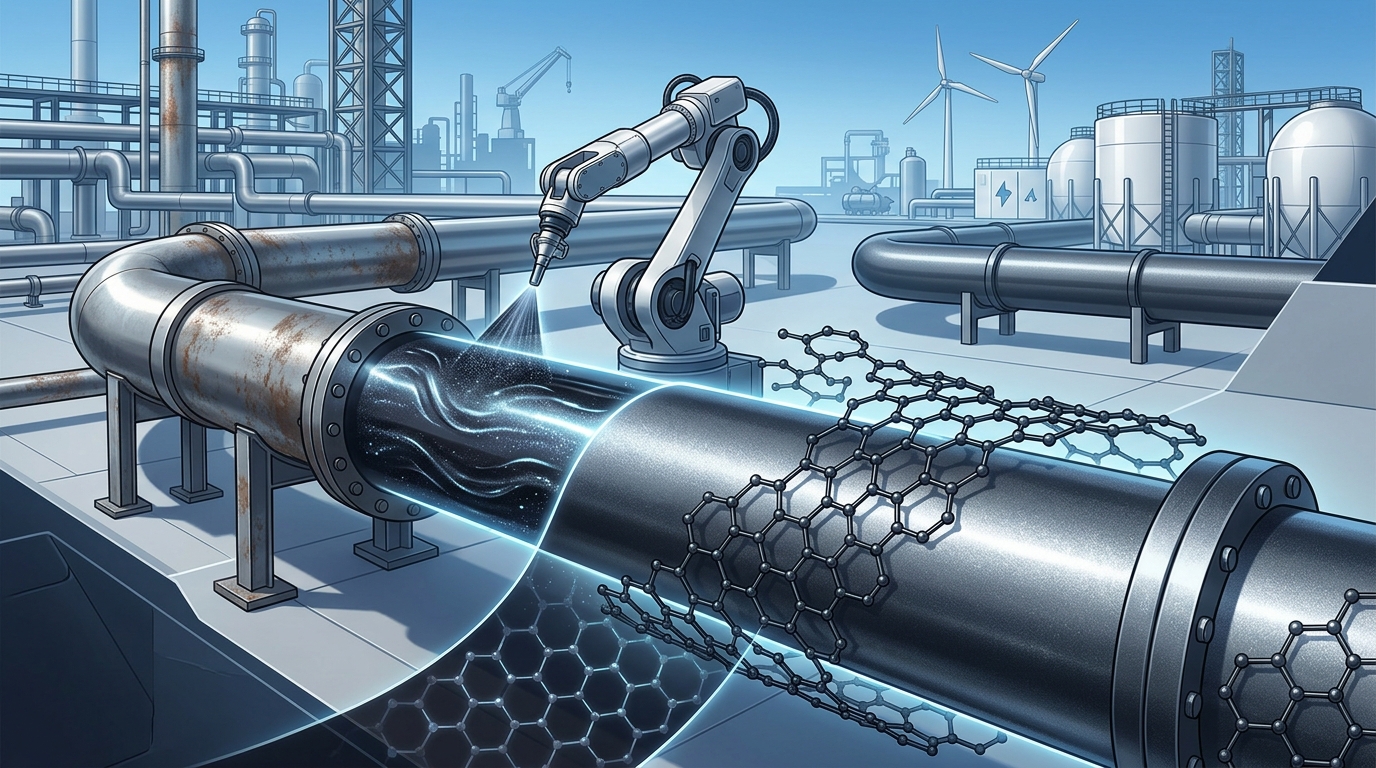
Graphene’s unique atomic structure—a single layer of carbon atoms arranged in a hexagonal lattice—provides exceptional barrier properties. When correctly incorporated into a coating matrix, it creates a tortuous path for moisture, oxygen, and corrosive ions, significantly slowing the degradation of underlying metals.
| Application Area | Primary Graphene Benefit |
|---|---|
| Corrosion Resistance | Creates a superior barrier against salt, moisture, and chemical oxidation. |
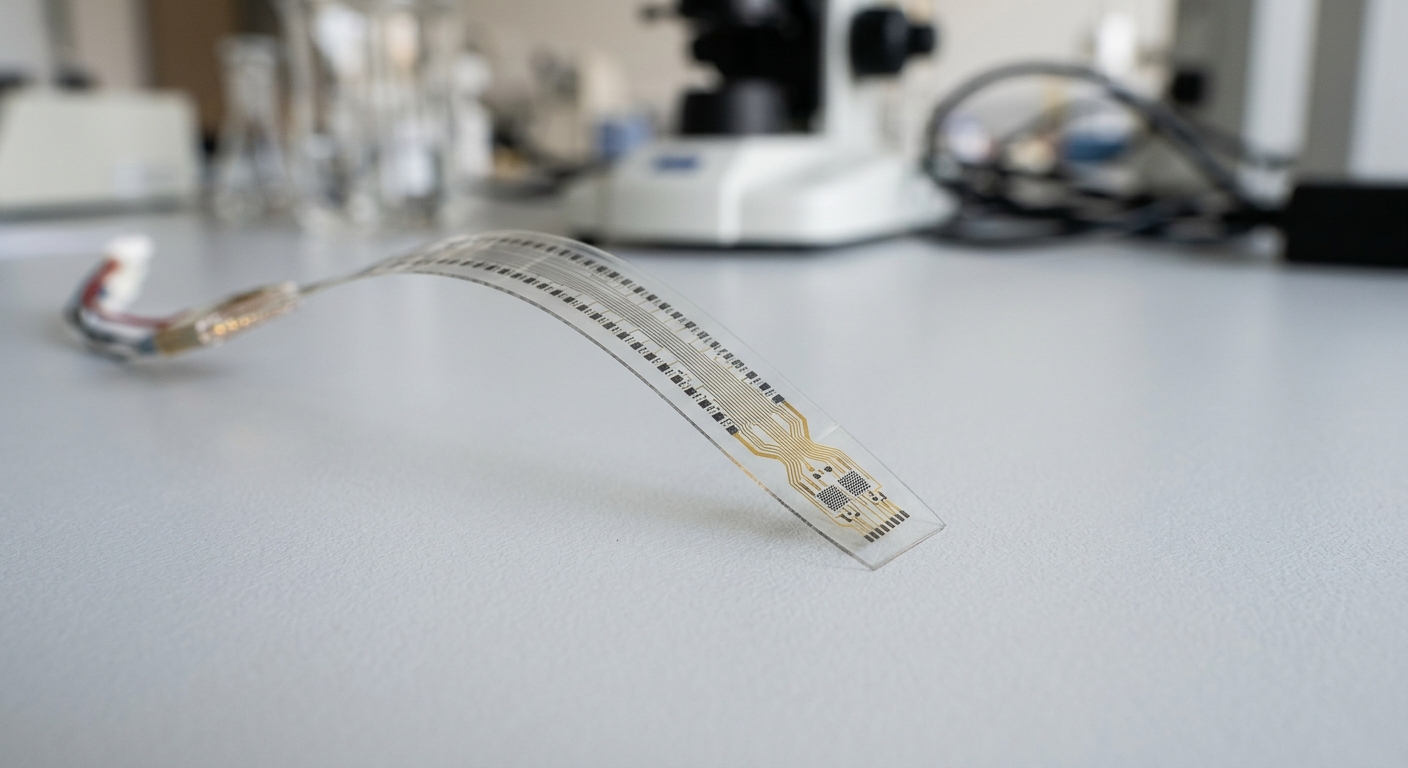
| Thermal Management | Enhances heat dissipation, crucial for AI data center cooling and electronics. |
| Mechanical Durability | Increases scratch resistance and surface hardness of the finished coating. |
Practical Considerations for Industry Buyers
As the market floods with new products, buyers must exercise due diligence. Not all graphene is created equal. The method of production, the purity of the material, and, most importantly, the dispersion technology—how well the graphene is mixed into the host resin—determine the final product’s effectiveness.
Buyers should request verified technical data from suppliers that specifically details performance in their intended environment, such as salt-spray test results for marine coatings or thermal conductivity metrics for cooling applications. Always verify that the specific product has the necessary regional regulatory clearances for your intended use case.
Frequently Asked Questions
Are graphene coatings safe for the environment?
Yes, provided they meet regional regulatory standards. Recent approvals by the U.S. EPA and EU REACH indicate that, when properly encapsulated within a coating matrix, these materials are considered safe for industrial use.
How do I know if a coating is truly graphene-enhanced?
Look for technical datasheets that specify the type of graphene used (e.g., graphene nanoplatelets vs. graphene oxide) and evidence of standardized testing. Reputable manufacturers will provide transparency regarding their material composition.
Is graphene coating more expensive than traditional alternatives?
While the upfront cost per gallon may be higher than traditional epoxy or ceramic coatings, the value proposition is often based on lifecycle cost reduction—the coating lasts longer, requiring fewer re-applications and less downtime.
Editorial Disclaimer
This article is provided for educational and informational purposes only. Details can change over time, so readers should verify important information with official sources, qualified professionals, manufacturers, publishers, or relevant authorities before making decisions.