CATL says its sodium-ion battery is headed for full-scale mass production by late 2026
CATL said on April 21, 2026, that its Naxtra sodium-ion battery has moved into GWh-scale industrialization and is on track for full-scale mass production by the end of 2026. The company made the claim at a technology event in Beijing, where it presented sodium-ion as one of several battery chemistries it sees shaping the next phase of electric mobility and stationary storage.
CATL’s Naxtra line clears a manufacturing threshold
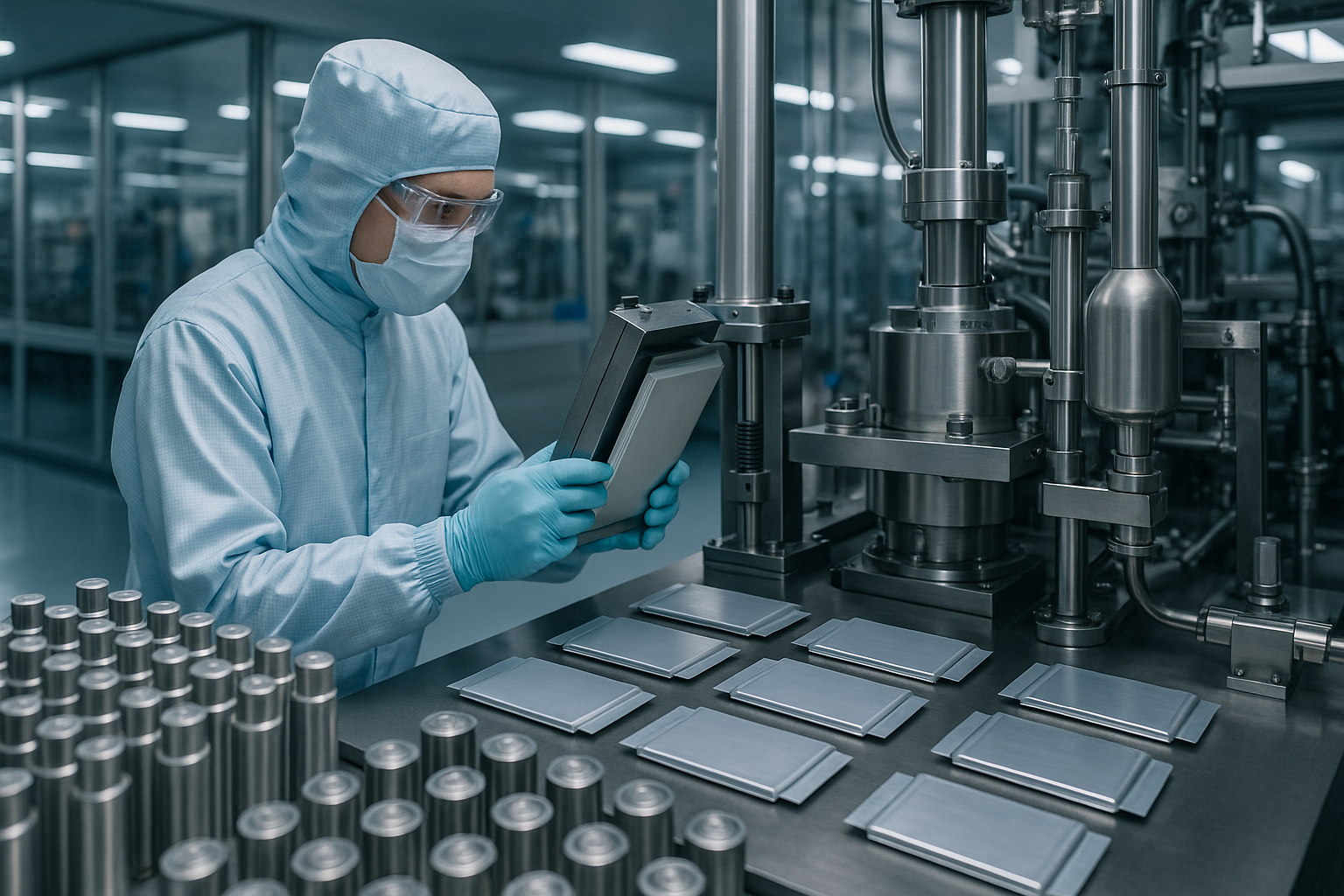
The company said it overcame four production bottlenecks that had limited sodium-ion scale-up: extreme moisture control, gas generation in hard carbon, aluminum foil adhesion and self-forming anode systems. CATL described those fixes as the basis for moving the chemistry from the lab and pilot stage into GWh-scale industrialization.
CATL said the Naxtra battery is now set to enter full-scale mass production by the end of 2026. If that timeline holds, it would mark one of the clearest commercial steps yet for sodium-ion batteries, a chemistry long discussed as a lower-cost, lower-lithium alternative for some vehicle and energy storage applications.
Why sodium-ion matters for battery materials
The appeal of sodium-ion is not just chemical novelty. Sodium is more abundant than lithium, and the architecture can reduce pressure on lithium supply chains while offering a route to diversify battery sourcing. That makes the chemistry especially relevant at a moment when automakers, cell makers and materials suppliers are still working to secure cathode, anode and electrolyte inputs at scale.
CATL also framed sodium-ion as part of a broader multi-chemistry strategy rather than a direct replacement for lithium-ion. In that view, sodium-ion is best suited to use cases where cost, cold-weather behavior and supply-chain flexibility can outweigh the lower energy density that has historically kept it behind lithium-ion in passenger vehicles.
What CATL’s timeline says about commercialization
CATL’s announcement matters because industrial battery materials are judged less by laboratory performance than by whether they can be manufactured repeatably, with stable yields and acceptable cost. By saying it has already addressed several process-control problems and is preparing for mass production, the company is signaling that sodium-ion is moving into a more commercial phase.
The detail to watch now is execution: whether CATL can translate its stated progress into consistent large-scale output by the end of 2026, and whether automakers and storage developers adopt the chemistry beyond demonstration programs and early deployments.
Source: CATL / PR Newswire
Date: 2026-04-21T14:46:00-04:00