The “Living Tattoo”: How Graphene Sensors Are Reshaping Agriculture and Wildfire Prevention
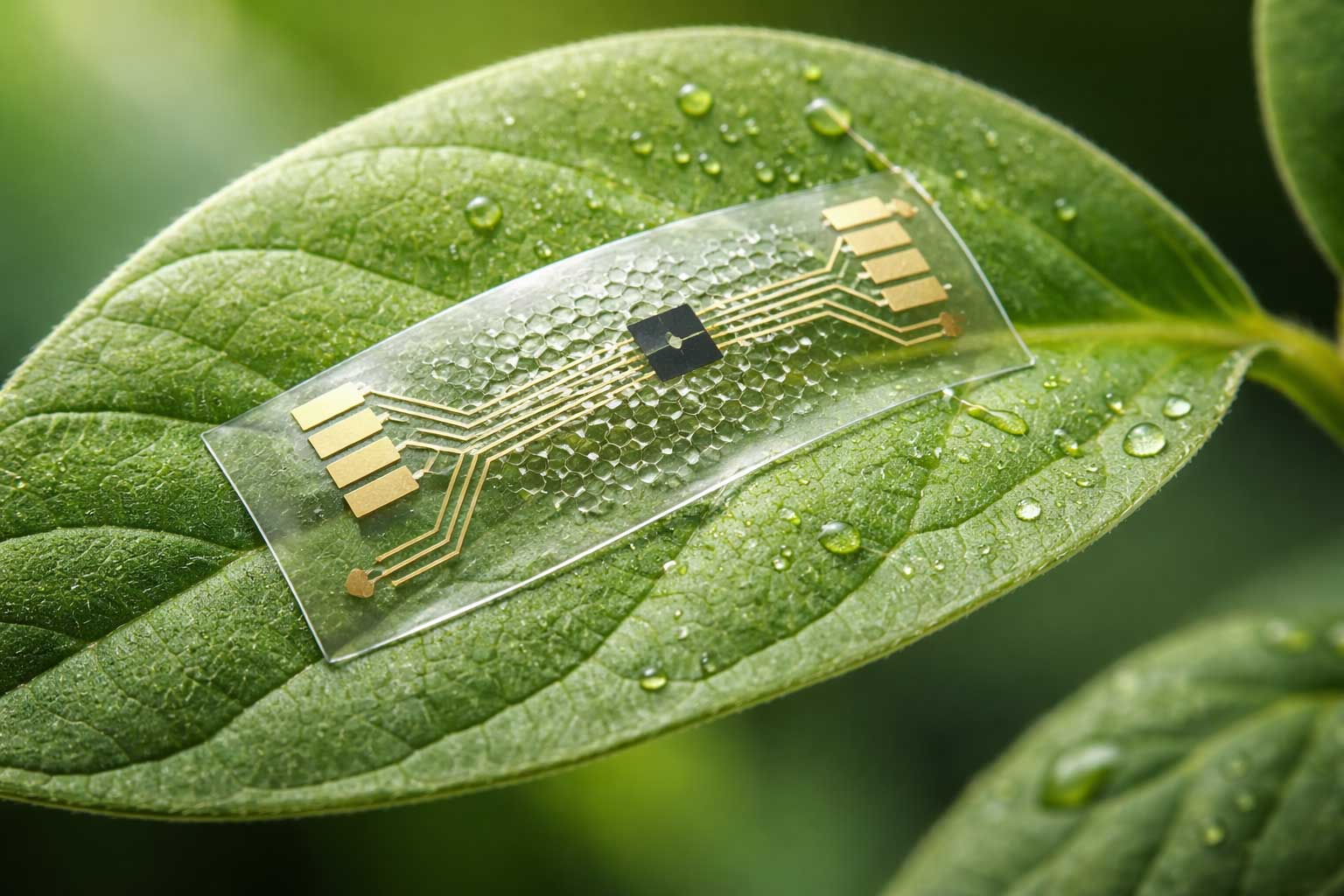
Graphene, long described as a “miracle material,” is now moving beyond laboratories and into real-world ecosystems—directly onto plant leaves. Researchers at the University of Texas at Austin have developed ultra-thin graphene-based sensors that can be applied to living plants, offering a new way to monitor crop health and environmental conditions in real time.
The innovation, often referred to as a “plant tattoo,” represents a significant step forward in precision agriculture and climate monitoring. By enabling continuous, non-invasive data collection, scientists say the technology could help improve food production efficiency and support early detection of wildfire risks.
The Rise of Precision Botany
Traditional plant monitoring methods have relied on either destructive sampling—removing plant tissue for laboratory testing—or external sensors that can interfere with growth. Both approaches limit real-time insight and scalability.
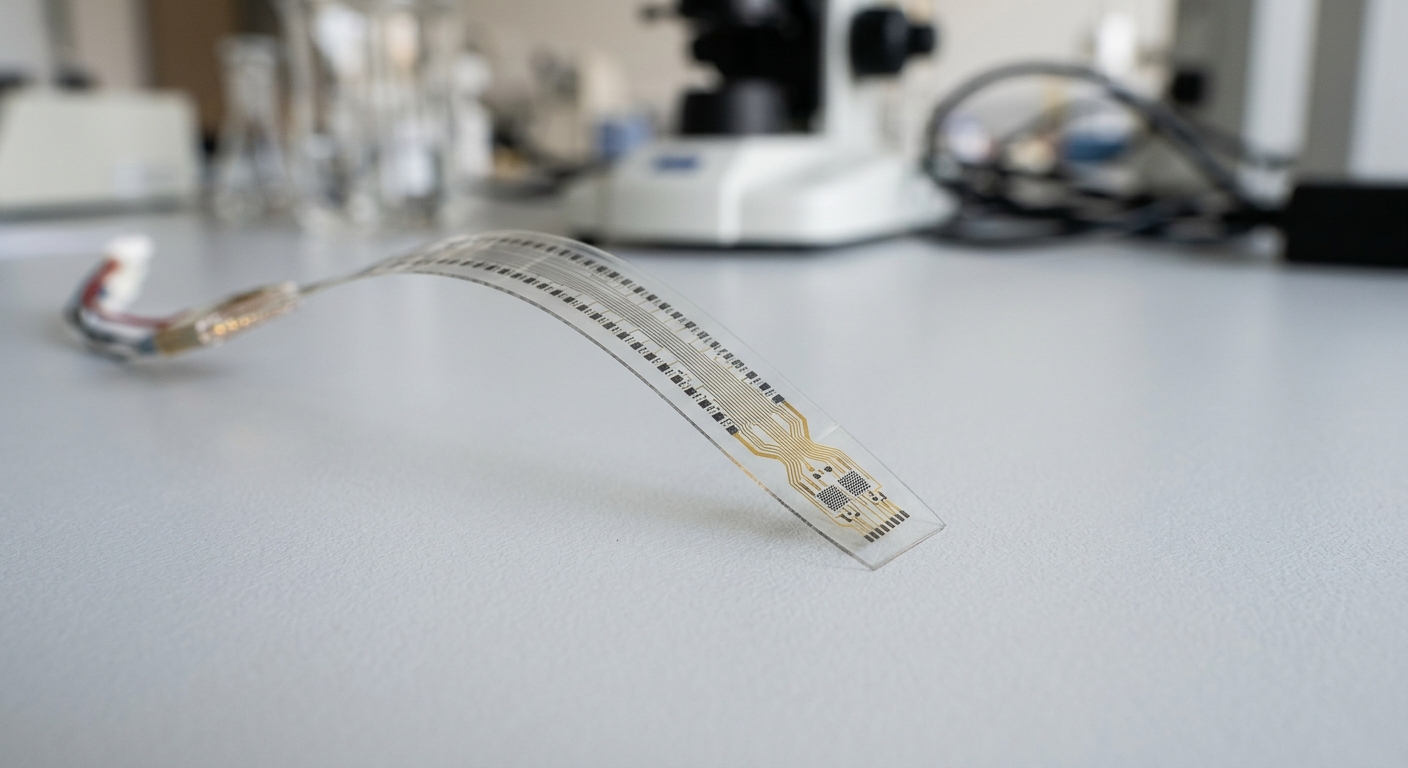
The graphene-based sensor changes that model. Designed to be sub-micrometer thin and transparent, it adheres directly to a leaf’s surface without disrupting photosynthesis. Its high electrical conductivity allows it to track physiological signals continuously while remaining lightweight and flexible.
Key Capabilities of Graphene Plant Sensors
- Real-Time Hydration Monitoring: Unlike soil-based sensors, the device measures the plant’s internal water status, detecting stress conditions before visible symptoms such as wilting occur.
- Low-Energy Data Processing: The sensor demonstrates synaptic-like behavior, enabling it to store and process signals locally using extremely low energy—measured in attojoules—reducing the need for external power systems.
- Durability in Natural Conditions: Despite its ultra-thin structure, the graphene layer remains stable under environmental stress, including wind, rain, and plant growth cycles.
Implications for Agriculture and Climate Resilience
As water scarcity becomes a growing concern in many regions, precision agriculture technologies are gaining urgency. Tools that deliver plant-level insights can help farmers optimize irrigation, potentially reducing water usage while maintaining crop yields.
Beyond farming, researchers are exploring the use of these sensors in forest ecosystems. By monitoring vegetation moisture levels in real time, the technology could serve as an early warning system for wildfire conditions. When moisture levels drop below critical thresholds, alerts could be generated before fires ignite, improving response times for emergency services.
From Research to Commercial Scale
The development aligns with broader industry momentum around graphene commercialization. Investment in graphene-based electronics and materials has increased in recent years, signaling a shift from experimental research to scalable manufacturing applications.
Companies and research institutions are now focusing on integrating graphene into practical systems, including environmental sensors, flexible electronics, and next-generation monitoring networks.
What Comes Next
The concept of an “Internet of Plants”—where crops and ecosystems continuously transmit data—may soon become a practical reality. While challenges remain in scaling production and deployment, early trials suggest that graphene sensors could play a central role in building more resilient agricultural systems and improving environmental monitoring.
As the technology matures, its potential applications may extend well beyond farming, influencing how societies manage natural resources and respond to climate-related risks.