Graphene membrane opens new path for hydrogen purification in Monash-led study
A research team led by Monash Engineering has reported a graphene-based membrane that can conduct both protons and electrons, a combination that could sharpen the performance of hydrogen purification systems and other energy devices. The university said the work was published on April 15, 2026, and centers on a material built from ultra-thin graphene nanosheets.
Monash says the membrane moves both protons and electrons
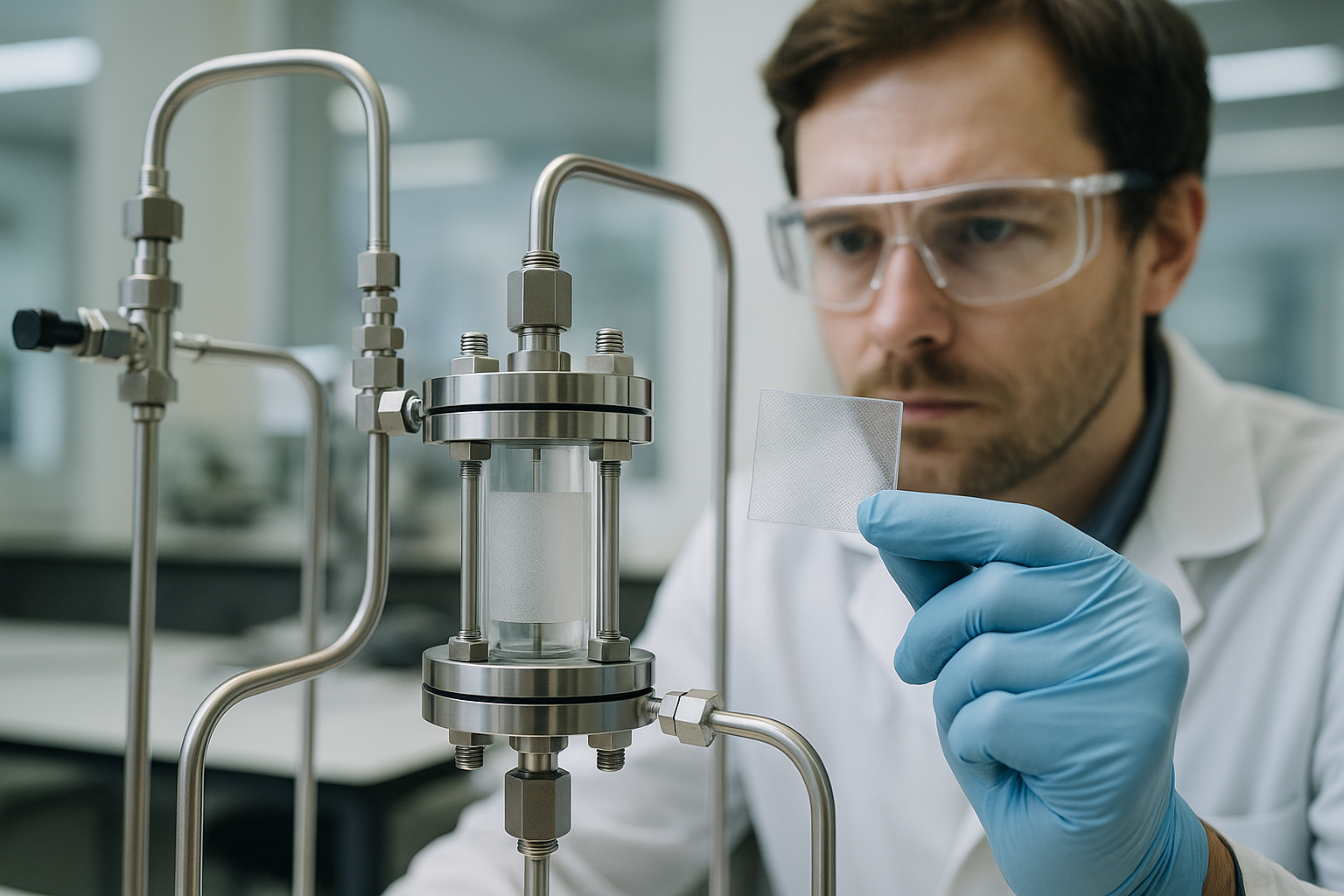
The team describes the material as a catalytic graphene-based membrane system designed to support high hydrogen flux while blocking other gases, including carbon dioxide. That dual conduction is unusual in a single membrane and is the main technical advance behind the announcement.
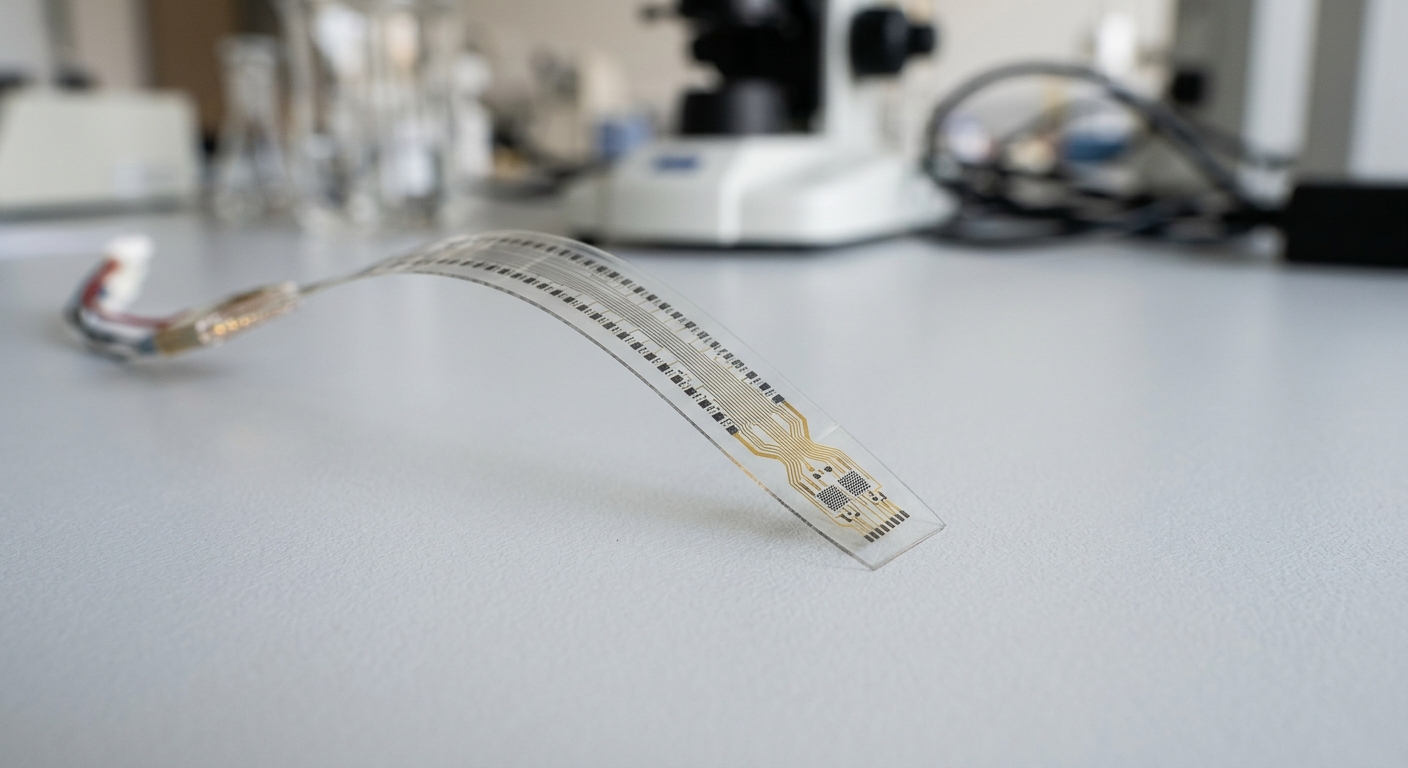
According to the university, the membrane is both flexible and durable, two practical traits that matter if the material is to move beyond laboratory demonstration and into devices that must operate under industrial conditions.
Hydrogen separation is the immediate use case
The clearest near-term application is hydrogen purification, where membranes are used to separate hydrogen from mixed gas streams. In that setting, a material that can move charge more efficiently while maintaining selectivity could help reduce losses and improve throughput.
The research team also points to broader uses in batteries, fuel cells and sensors, but the hydrogen angle is the most concrete commercial relevance in the current announcement. The claim is not that the material is ready for deployment, but that it addresses a materials bottleneck that has limited performance in related systems.
Why the graphene result matters now
Graphene has long been discussed as a platform material for advanced energy systems, but many promising formulations remain at the prototype stage because they are difficult to manufacture, integrate or scale. A membrane that combines electrical performance with gas separation capability is notable because it links a familiar nanomaterial to a process area with real industrial demand.
That makes the work less about graphene as an abstract breakthrough and more about whether a specific membrane architecture can support cleaner, more efficient hydrogen processing. The next test is whether the design can be translated into larger-format systems with consistent performance.
Source: Monash Engineering
Date: 2026-04-15T00:00:00Z