Monash shows disorder can boost ultra-thin optical materials in April 10 breakthrough
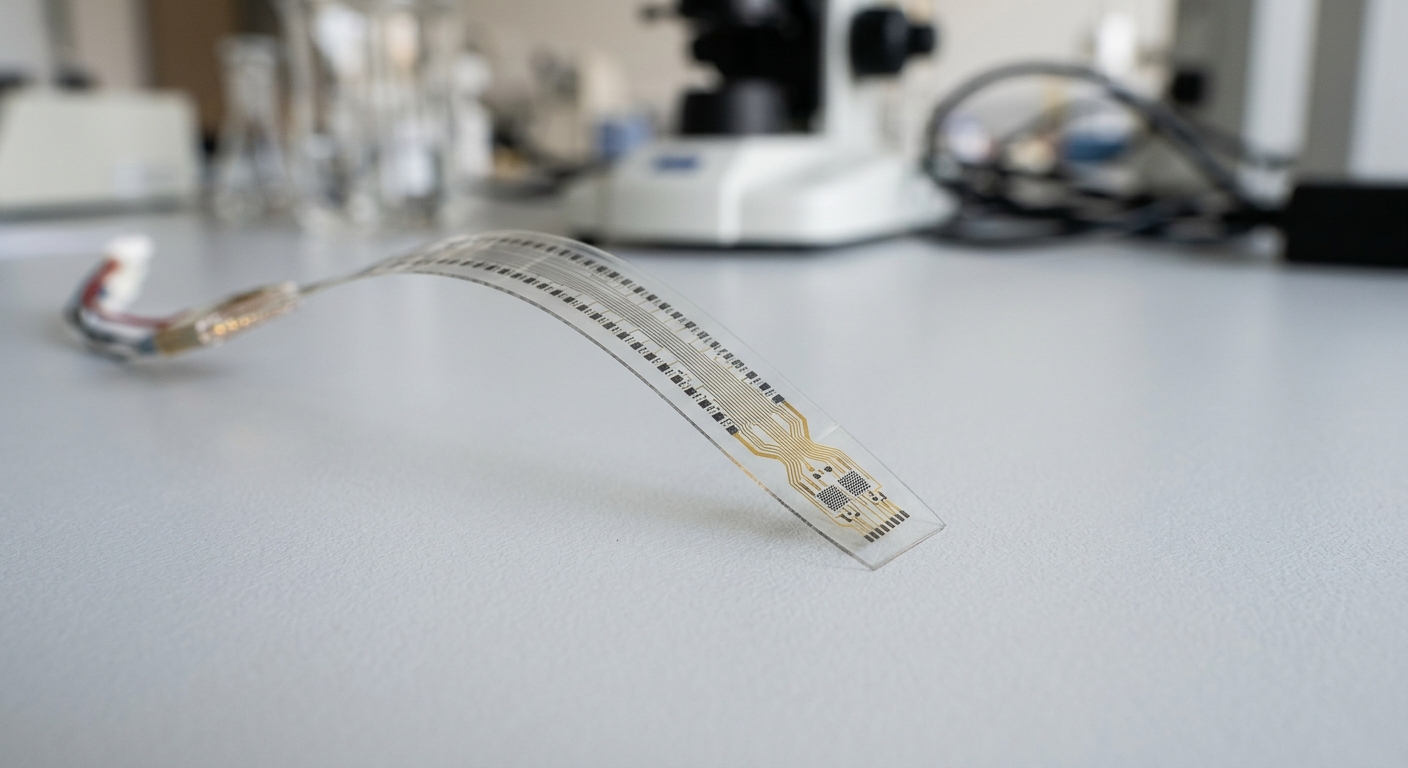
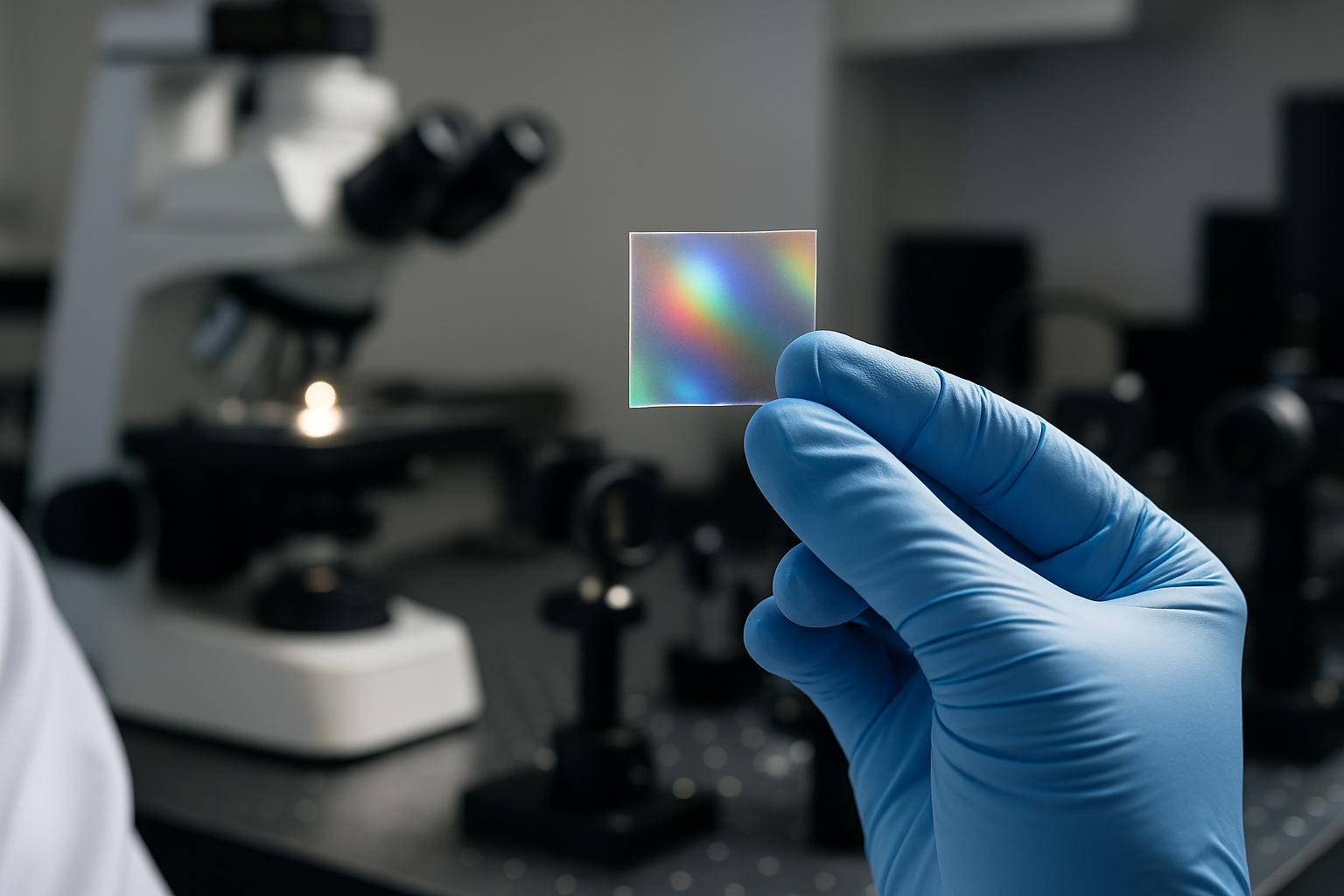
Researchers at Monash University say they have turned a long-standing optics assumption on its head: instead of degrading performance, carefully controlled disorder in an ultra-thin nanostructured surface can increase how many functions the material performs at once. The team’s April 10, 2026, report describes a new class of disordered mosaic metasurfaces and includes a proof-of-concept lens that integrates 11 optical functions on a single surface.
Controlled disorder in a metasurface, not an engineering flaw
The work centers on metasurfaces, flat arrays of nanoscale elements that manipulate light. In most designs, engineers try to keep those structures highly ordered. Monash’s approach deliberately scatters the meta-pixels into a mosaic-like pattern, then uses that layout to free up space for additional capabilities without increasing the size or complexity of the device.
According to the researchers, the result is a surface that can do more in the same footprint, a useful change for applications where size, weight and optical performance all matter.
An 11-function lens points to denser photonic hardware
The clearest demonstration is a broadband optical lens that the team says maintains focus across multiple wavelengths while limiting chromatic aberration. In practical terms, that means one compact device can combine tasks that would normally require a more layered optical stack.
The researchers framed the advance as a route toward higher functional density in photonic systems, with possible uses in imaging, sensing, telecommunications and space-based optics. The study was published in Nature Communications and comes from Monash’s Nanophotonics Laboratory, with collaborators from the University of Exeter and the University of the Witwatersrand.
Why the materials-science angle matters now
Metasurfaces have been one of the most active areas in modern materials science because they translate nanoscale patterning directly into device behavior. This result is notable not because it introduces a new material family, but because it changes the design rule: disorder, if engineered carefully, may be a resource rather than a defect.
If that approach scales beyond a laboratory proof of concept, it could make multifunctional optical components easier to integrate into compact systems where every square millimeter counts. For now, the immediate significance is technical: the work expands the design space for photonic materials by showing that performance gains can come from controlled irregularity, not just precision order.
Source: Phys.org / Monash University Faculty of Science
Date: 2026-04-10