Best Graphene Coating for Cars (2026 Guide)
The best graphene coating for cars in 2026 depends on what matters most to you: maximum durability, easier maintenance, better water behavior, or a simpler DIY-friendly finish.
This updated guide compares the top graphene coating options for cars in 2026, explains how graphene coatings compare with ceramic coatings, and shows what actually matters before you protect your vehicle’s paint.
Quick Comparison: Best Graphene Coatings for Cars in 2026
| Product | Best For | Skill Level | Protection Style |
|---|---|---|---|
| Adam’s Graphene Ceramic Coating Advanced | Premium long-term protection | Advanced | Multi-year coating |
| Ethos Graphene Matrix Coating V2.0 | Balanced durability and gloss | Intermediate | Long-term coating |
| SPS Graphene Coating | Professional installs | Advanced / Pro | Dedicated graphene system |
| DIY Detail 1 Year Graphene Ceramic Coating | First-time users | Beginner to Intermediate | Shorter-term coating |
| Turtle Wax Hybrid Solutions Ceramic + Graphene Paste Wax | Budget-friendly shine and maintenance | Beginner | Wax-level protection |
Who This Guide Is For
This guide is for drivers who want better paint protection, easier washing, stronger gloss retention, and a finish that stays cleaner for longer. Whether you own a daily driver, a dark-colored SUV, a luxury sedan, or a weekend sports car, the right graphene coating depends on your budget, your skill level, and how long you want the protection to last.
What Is a Graphene Car Coating?
A graphene car coating is a paint-protection product that combines ceramic-style chemistry with graphene or graphene-derived additives. Once applied and cured, the formula creates a thin protective layer over the paint and, in some cases, other exterior surfaces.
In real-world use, graphene coatings are chosen for slickness, gloss, hydrophobic behavior, chemical resistance, and easier maintenance. Many vehicle owners also prefer them because they are often marketed as being less prone to water spotting than older ceramic-only expectations.
What Actually Matters When Choosing a Graphene Coating
Ignore most of the hype words and focus on what truly affects ownership:
- Ease of application: Some products are beginner-friendly, others are better for advanced users or pros.
- Durability: Some formulas are designed for months, some for around a year, and others for long-term protection.
- Water behavior: A good coating should bead and sheet water while helping the surface stay easier to clean.
- Water spotting resistance: Important for hot climates and dark paint colors.
- Maintenance needs: Even a premium coating will disappoint if the wash routine is poor.
- Surface compatibility: Some coatings work on paint only, while others can also be used on glass, trim, wheels, and plastics.
Best Graphene Coatings for Cars in 2026
1. Adam’s Graphene Ceramic Coating Advanced
Best for: Long-term premium protection
Adam’s remains one of the most recognized names in the graphene detailing category. Its Advanced coating is positioned for users who want long-lasting protection, strong self-cleaning behavior, multi-surface compatibility, and a premium enthusiast-level finish.
- Why it stands out: Strong brand reputation, broad surface compatibility, premium finish
- Best fit: Enthusiasts, garage-kept vehicles, long-term ownership
- Watch out for: Better suited to careful installation than rushed DIY work
2. Ethos Graphene Matrix Coating V2.0
Best for: Balanced durability, gloss, and easier upkeep
Ethos continues to position Graphene Matrix Coating V2.0 as a modern graphene coating with reduced graphene oxide resins and easier application than many buyers expect from a serious coating product. It is a strong option for people who want a premium result without jumping straight into the most intimidating install category.
- Why it stands out: Strong gloss, easy-use positioning, long-term category appeal
- Best fit: Daily drivers, high-UV climates, owners wanting a premium balance
- Watch out for: Paint prep still matters; coatings do not hide defects
3. SPS Graphene Coating
Best for: Professional and advanced installers
SPS stands out because it is widely associated with a dedicated graphene-first identity rather than a simple ceramic product with a graphene label added on top. That makes it especially appealing to detailers and advanced users who want a more specialized system.
- Why it stands out: Strong pro-level reputation, graphene-focused branding, broad detailing appeal
- Best fit: Professionals, advanced hobbyists, premium installs
- Watch out for: Less beginner-friendly than simpler consumer options
4. DIY Detail 1 Year Graphene Ceramic Coating
Best for: First-time coating users
DIY Detail’s 1 Year Graphene Ceramic Coating is one of the most approachable options in 2026 for someone who wants real coating benefits without the stress of installing a heavy-duty long-term system. It works especially well for users who prefer a manageable learning curve and do not mind reapplying on a shorter cycle.
- Why it stands out: Easier entry point, user-friendly positioning, solid gloss and slickness
- Best fit: Home detailers, beginners, maintenance-focused owners
- Watch out for: Shorter protection window than multi-year coatings
5. Turtle Wax Hybrid Solutions Ceramic + Graphene Paste Wax
Best for: Budget-conscious vehicle owners
Turtle Wax remains a strong consumer brand for drivers who want graphene-enhanced gloss and water behavior without stepping into a full coating workflow. This paste wax is not the same category as a true long-term coating, but it is still a strong choice for everyday users who want shine, protection, and simple maintenance at a lower cost.
- Why it stands out: Easier access, lower cost, simple use
- Best fit: Daily drivers, casual car owners, budget-minded maintenance routines
- Watch out for: Not a direct substitute for a true long-term coating system
Graphene Coating vs Ceramic Coating
Graphene coatings and ceramic coatings are closely related. In many cases, graphene products are an evolution of ceramic-style protection rather than a total replacement for ceramic chemistry.
- Ceramic coatings remain excellent for gloss, durability, and chemical resistance.
- Graphene-enhanced coatings are often chosen for slickness, easier maintenance, and lower concern around water spotting.
- Neither is magic. Both still require proper washing and maintenance.
The smart way to think about it in 2026 is this: graphene is an upgrade path inside modern paint-protection chemistry, not an automatic guarantee that every product is better than every ceramic coating.
Are Graphene Coatings Better for Black Cars?
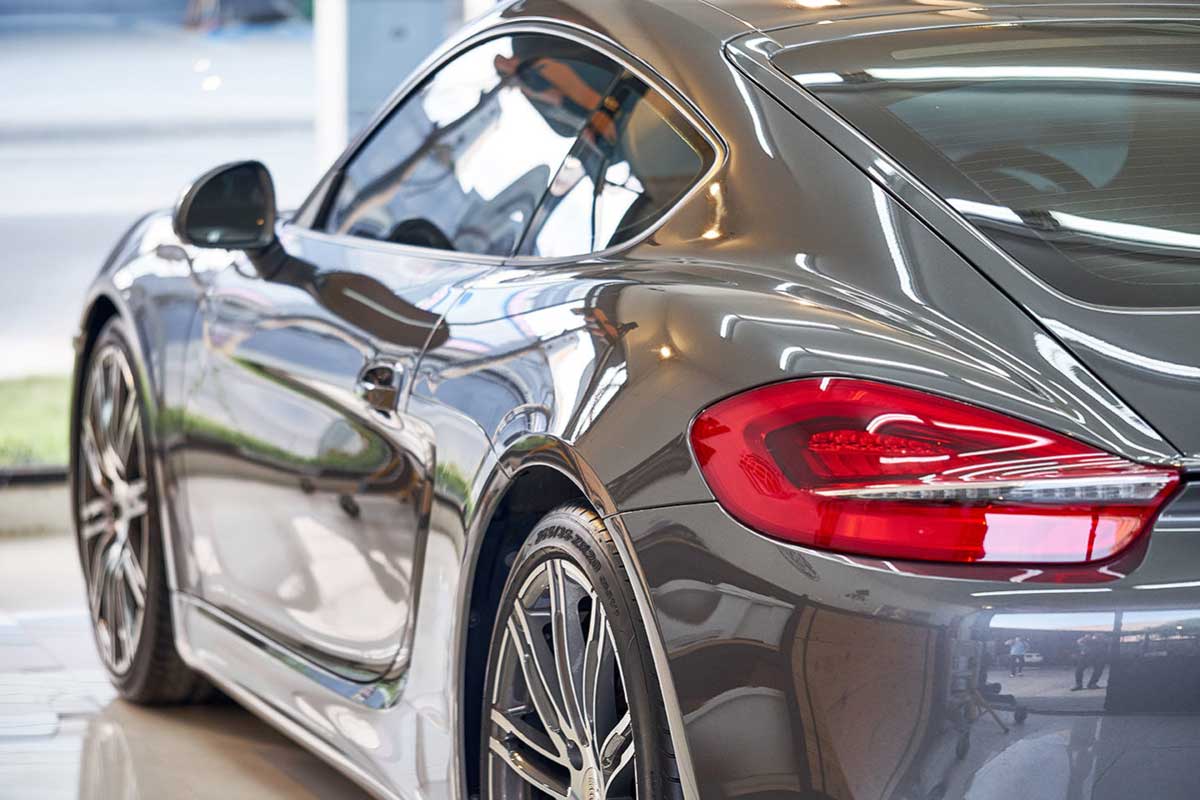
They can be especially appealing for black and other dark-colored vehicles because these finishes show dust, spotting, and surface neglect much faster. A slick, easier-to-clean surface can make dark cars more enjoyable to maintain.
However, prep quality still matters more than product hype. A badly applied graphene coating on black paint will still look worse than a properly installed ceramic coating.
What Graphene Coatings Do Well
- Increase surface slickness
- Improve gloss and shine
- Help repel water and contamination
- Make routine washing easier
- Support better resistance against UV and environmental exposure
- Reduce the need for frequent waxing
What Graphene Coatings Do Not Do
- They do not make paint scratch-proof
- They do not remove swirl marks already in the finish
- They do not eliminate proper washing
- They do not guarantee zero water spots forever
- They do not fix poor prep work
Common Buyer Mistakes
1. Buying based on marketing alone
The word “graphene” is used heavily across the market. Buyers should focus on brand trust, realistic claims, and fit for their skill level.
2. Ignoring paint prep
A coating locks in the look of the surface underneath. If the paint is swirled, oxidized, or contaminated, the coating will preserve those flaws too.
3. Comparing different product types like they are the same
A paste wax, a 1-year coating, and a multi-year professional coating are not the same category. Many disappointed buyers mix these up.
4. Expecting coatings to stop all scratches
Coatings help protect and improve maintenance, but they are not armor plating for the clear coat.
5. Neglecting maintenance after install
Even a premium coating needs safe washing, good drying tools, and basic upkeep if you want it to keep performing well.
How to Choose the Right Graphene Coating
If you want the easiest entry point
Choose a beginner-friendly option like DIY Detail’s 1 Year Graphene Ceramic Coating or a more accessible Turtle Wax graphene product.
If you want premium long-term protection
Adam’s Advanced and Ethos Graphene Matrix V2.0 are strong choices for users who want higher-end results.
If you want a professional-grade direction
SPS Graphene is one of the more appealing names for advanced users and pro installs.
If you drive in a hot climate
Graphene-enhanced coatings are attractive because many buyers prioritize them for easier cleaning, slickness, and lower concern around spotting on hot panels.
If you own a dark vehicle
Choose a coating known for gloss, slickness, and easier maintenance instead of chasing only the longest lifespan claim.
Application Tips for Better Results
- Wash the vehicle thoroughly first
- Remove embedded contamination if needed
- Polish the paint before coating if defects are visible
- Apply in a shaded or controlled environment
- Work panel by panel
- Use clean microfiber towels
- Respect curing time before washing the car
Maintenance After Coating
A graphene-coated car should still be washed with care. Use a pH-neutral shampoo, quality wash tools, and safe drying towels. Avoid dirty automatic brush washes if you want the finish to stay sharp.
Maintenance sprays or toppers can also help preserve slickness and water behavior over time.
Final Verdict: Which Graphene Coating Is Best in 2026?
If you want the most complete premium answer, Adam’s Graphene Ceramic Coating Advanced remains one of the strongest choices for long-term enthusiast-level protection.
If you want a balanced premium option, Ethos Graphene Matrix Coating V2.0 is a strong pick for durability, gloss, and easier ownership appeal.
If you want a more specialized professional path, SPS Graphene Coating is a compelling choice.
If you want beginner-friendly value, DIY Detail 1 Year Graphene Ceramic Coating is one of the easiest ways to enter the category.
If you want affordable graphene-enhanced shine and easier upkeep, Turtle Wax Hybrid Solutions Ceramic + Graphene Paste Wax is one of the best low-commitment options.
For most readers, the best graphene coating is not the one with the loudest marketing. It is the one that matches your skill level, your budget, and how much maintenance you are realistically willing to do.
Frequently Asked Questions
What is the best graphene coating for cars in 2026?
The best graphene coating depends on your goals. Adam’s is one of the strongest premium picks, Ethos offers a strong balance of durability and gloss, SPS appeals to professional users, DIY Detail is excellent for beginners, and Turtle Wax is a strong budget-friendly option.
Are graphene coatings better than ceramic coatings?
Not automatically. Some graphene coatings offer slickness, easier maintenance, and strong water behavior, but overall performance still depends on product quality and application.
How long does a graphene coating last?
It depends on the product type, maintenance routine, and environment. Some last for months, some around a year, and others are marketed as multi-year solutions.
Do graphene coatings stop scratches?
No. They help protect the surface and may reduce minor wear, but they do not make paint scratch-proof.
Can I apply graphene coating myself?
Yes. Some products are beginner-friendly, while others are better handled by experienced users or professionals.
Are graphene coatings good for black cars?
Yes, they can be especially attractive for black cars because dark finishes show dust, spotting, and maintenance mistakes more clearly than lighter colors.