Can Graphene Solve the Carbon Capture Bottleneck?
As global industries intensify efforts to reach net-zero targets, graphene has emerged as a promising material to address the high costs and energy intensity of Carbon Capture and Sequestration (CCS). By leveraging its unique two-dimensional structure, researchers are developing advanced membranes and adsorbents that could significantly improve the efficiency of separating CO2 from industrial flue gases.
While traditional amine-based capture systems are effective, they are often plagued by high energy requirements for regeneration and significant equipment corrosion. The current shift toward graphene-based nanomaterials represents a pivot toward more durable, selective, and energy-efficient capture mechanisms. However, it is important to note that most of these developments are currently in the laboratory or pilot-testing phase, and scaling these solutions to industrial-sized power plants remains a substantial engineering challenge.
Key Takeaways
- High Surface Area: Graphene provides an enormous surface area, allowing for higher densities of CO2-binding sites compared to conventional materials.
- Selectivity: Functionalized graphene membranes can be engineered to be highly permeable to CO2 while blocking nitrogen and other atmospheric gases.
- Energy Efficiency: Nanomaterial-based capture can potentially reduce the heat energy required for the desorption process, lowering operational costs.
- Durability: Carbon-based structures offer superior chemical and thermal stability in harsh industrial environments.
How Graphene Enhances Carbon Capture
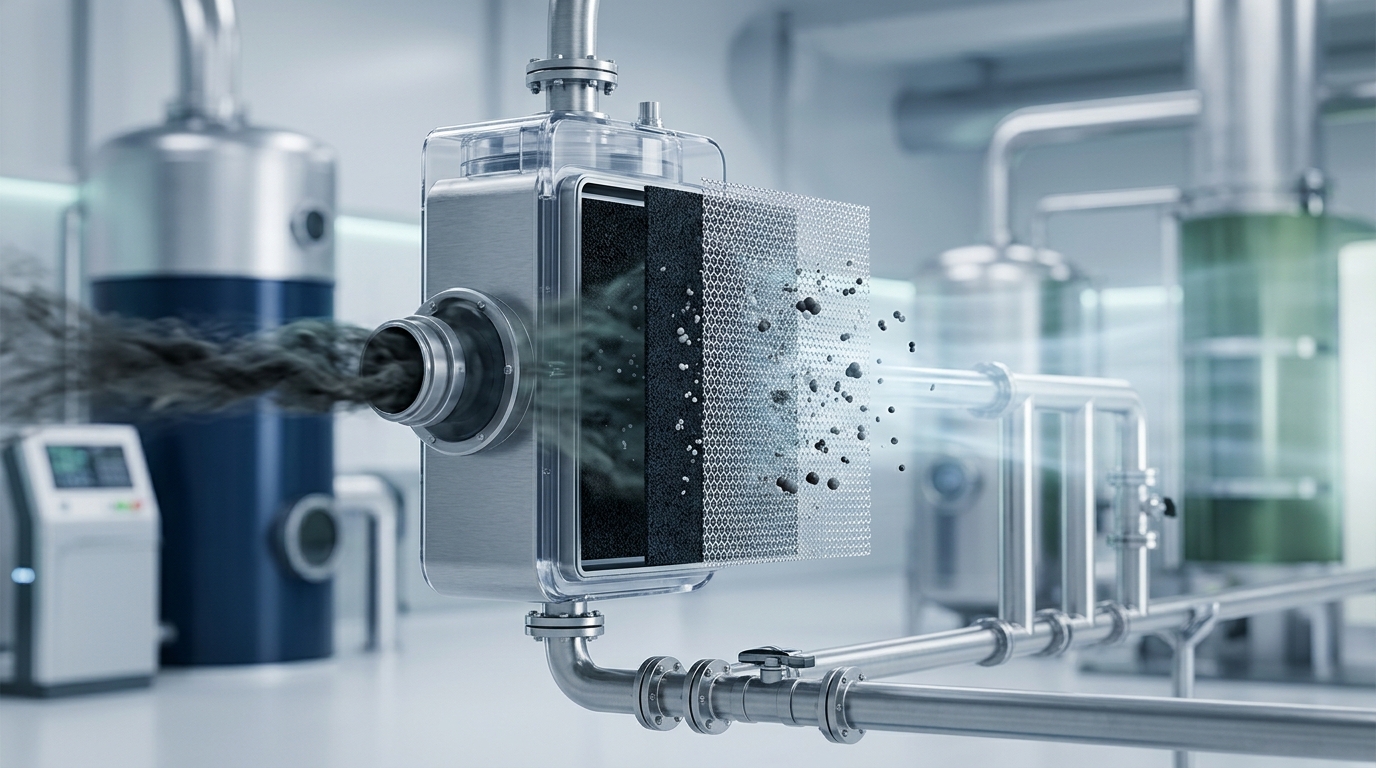
The primary role of graphene in CCS is acting as a high-performance molecular sieve or substrate. Pure graphene is impermeable to gases, but by introducing precise, nanometer-scale pores or by functionalizing the surface with amine groups, scientists can create membranes that selectively allow CO2 molecules to pass through while trapping others.
Furthermore, graphene oxide (GO) and its derivatives are being used to create hybrid materials that enhance the performance of solid adsorbents. These materials can be regenerated using less energy than liquid solvent systems, addressing one of the most critical economic hurdles in the wide-scale deployment of carbon capture.
Benefits and Current Limitations
| Feature | Impact on CCS |
|---|---|
| Surface Properties | Enables faster adsorption rates and higher capacity. |
| Stability | Resistant to degradation in aggressive flue gas streams. |
| Scalability | Current major challenge due to high manufacturing costs. |
| Implementation | Requires integration into existing industrial infrastructure. |
Research and Industry Outlook
The research landscape is currently focused on moving from small-scale membrane testing to pilot-scale modules. Organizations focusing on nanomaterial development are increasingly looking at how to synthesize these graphene structures in a cost-effective manner. While breakthroughs in 2D material synthesis have lowered costs, the integration of these materials into large-scale, durable filtration systems remains the primary focus for the next several years.
Frequently Asked Questions
Is graphene a filter for CO2?
Graphene itself acts as a barrier. However, graphene-based membranes, which are engineered with specific pores or chemical coatings, act as highly selective filters that can separate CO2 from other gas mixtures.
How does this differ from standard carbon capture?
Standard CCS often uses liquid solvents that require high-heat regeneration. Graphene-based systems aim to use solid adsorbents that can be regenerated with less energy, potentially making the capture process much cheaper.
When will we see graphene-based CCS?
Commercial deployment is still in the long-term outlook. Current efforts are focused on laboratory-validated materials and early-stage pilot research to test long-term performance under real-world industrial conditions.
Editorial Disclaimer
This article is provided for educational and informational purposes only. Details can change over time, so readers should verify important information with official sources, qualified professionals, manufacturers, publishers, or relevant authorities before making decisions.