GMG says its graphene aluminum-ion battery has doubled energy density in latest tests
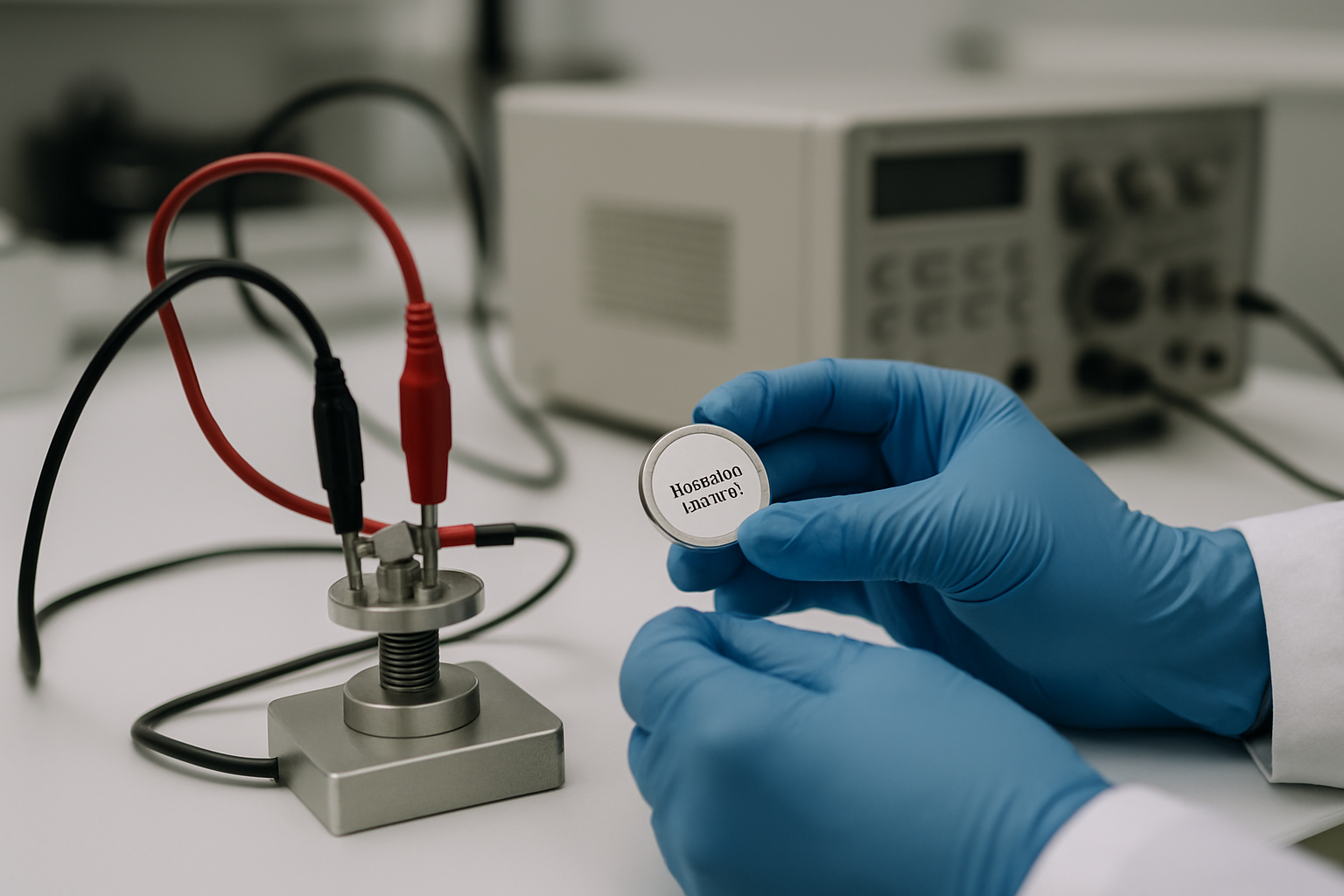
Graphene Manufacturing Group said on April 15, 2026, that testing of its graphene aluminum-ion battery lifted energy density to 49 Wh/kg, roughly double the 26 Wh/kg it reported in December 2025. The company said the result came from battery testing supported by the Battery Innovation Center in Indiana and advances a cell it says can still charge in about six minutes.
GMG’s April 15 test update shows a sharper performance jump
The company framed the latest result as a significant step in the development of its graphene aluminum-ion battery, or G+A cells. GMG said the higher figure reflects improved performance relative to the prior December update and places the program closer to final commercialisation steps.
GMG developed the battery with the University of Queensland under a joint development agreement with Rio Tinto, and has been using the Battery Innovation Center to support testing. In the company’s own comparison, the latest cells are now positioned against high-power lithium titanate oxide batteries, a niche chemistry used where rapid charging and long cycle life matter more than maximum range.
Why the 49 Wh/kg figure matters for a graphene battery
For graphene battery programs, energy density is one of the hardest numbers to improve without losing the fast-charging characteristics that make the chemistry interesting in the first place. GMG’s update is notable because it pairs a material-performance gain with a commercial use case, rather than presenting fast charging as a stand-alone laboratory result.
The company said the battery remains aligned with applications that demand high power density, including use cases where faster recharge times could matter more than absolute pack energy. That makes the latest test result commercially relevant even though the technology is still far from mass-market deployment.
What GMG says comes next for G+A cells
GMG said the battery development program is moving toward the next stage of commercialisation, with interest from several global companies kept confidential. The company has previously described a roadmap that includes customer cell testing and later small-scale production, but the April 15 update focused on the technical milestone rather than a launch date.
That distinction matters. In the graphene battery market, many claims never move beyond prototype data. GMG’s latest announcement is more concrete than a generic performance claim because it provides a new measured energy-density figure, a prior benchmark for comparison, and a clear testing partner in the validation chain.
Source: Graphene Manufacturing Group Ltd.
Date: 2026-04-15