GMG pushes graphene-aluminum battery toward customer testing in 2026
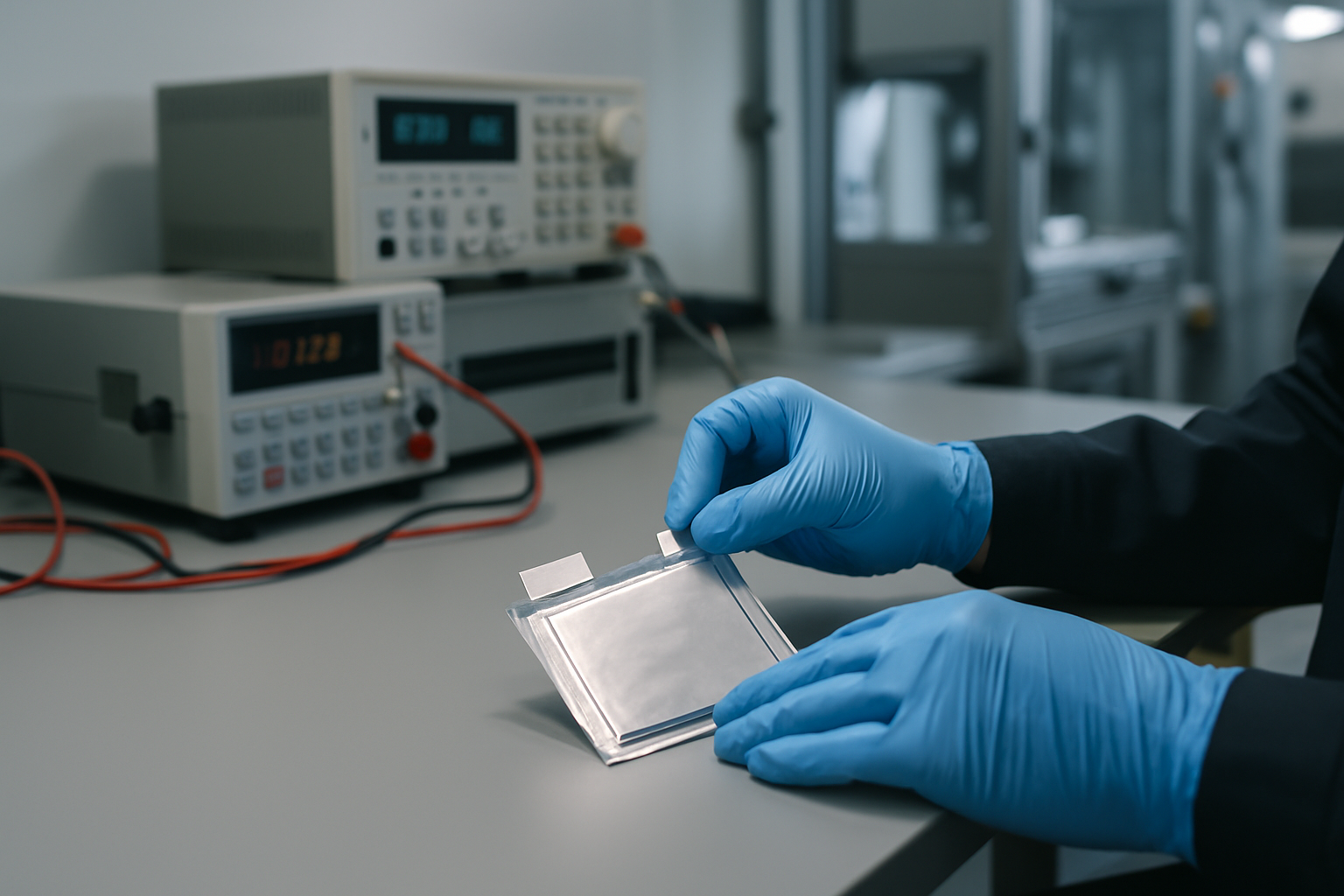
Graphene Manufacturing Group has set a clearer commercialization path for its graphene-aluminum-ion battery, saying the cell is now headed for customer testing in 2026 and small commercial production in 2027. The company’s latest update, released on January 5, 2026, places the technology at battery technology readiness level 4, meaning it remains in laboratory development even as GMG begins lining up the next stage of validation.
GMG sets 2026 testing for graphene-aluminum-ion cells
The company said it is still optimizing electrochemical behavior for pouch cells, but it believes the manufacturing equipment and processes needed for the graphene-aluminum-ion format are close enough to existing lithium-ion production methods to support a move toward higher readiness levels. GMG said its roadmap now calls for testing with customers in 2026, followed by small commercial production in 2027 with support from partners that include BIC.
GMG also said it believes the battery could eventually reach more than 150 watt-hours per kilogram when charged in one hour, and more than 75 watt-hours per kilogram when charged in six minutes, though those figures remain forward-looking targets rather than demonstrated commercial specifications.
Why the readiness-level update matters now
For a battery chemistry that relies on graphene, the practical question is not whether the material can improve performance in the lab, but whether it can survive the path to repeatable production. GMG’s current status matters because it shifts the discussion from a broad materials claim to a nearer-term validation stage: customer testing, packaging, and manufacturing compatibility.
The company says it expects the battery’s properties could reduce reliance on the heavy metal casing and thermal-management hardware used in conventional lithium-ion packs. GMG said it is considering a plastic battery-pack design, which it believes could lower weight, cost and complexity if the technology reaches its intended form.
Commercialization remains the hard part for graphene batteries
GMG’s update also shows how far graphene batteries remain from everyday deployment. Even with a six-minute charging target and interest from industrial partners, the technology is still in development and has not yet reached market-scale production. The company’s own roadmap keeps small commercial output in 2027, leaving at least another year of testing and process work before any meaningful rollout.
That timeline reflects a broader reality in graphene-based energy storage: the material can offer attractive conductivity and thermal properties, but converting those lab advantages into durable, manufacturable battery cells is still the main hurdle. GMG’s next milestones will be the real test of whether the chemistry can move beyond demonstration into a product that can be built consistently at scale.
Source: Newsfile / Graphene Manufacturing Group
Date: 2026-01-05