Graphene sensor prototype powers temperature readings without a battery in Arkansas-Michigan test
Researchers at the University of Arkansas and the University of Michigan have reported the first use of an ultra-low-power temperature sensor powered by graphene-based solar cells, a design aimed at eliminating batteries from devices that must run for long periods with little maintenance. The work, published on November 12, 2025, shows that graphene can do more than sense its environment: it can also help keep the sensor alive.
Graphene solar cells kept the temperature sensor running
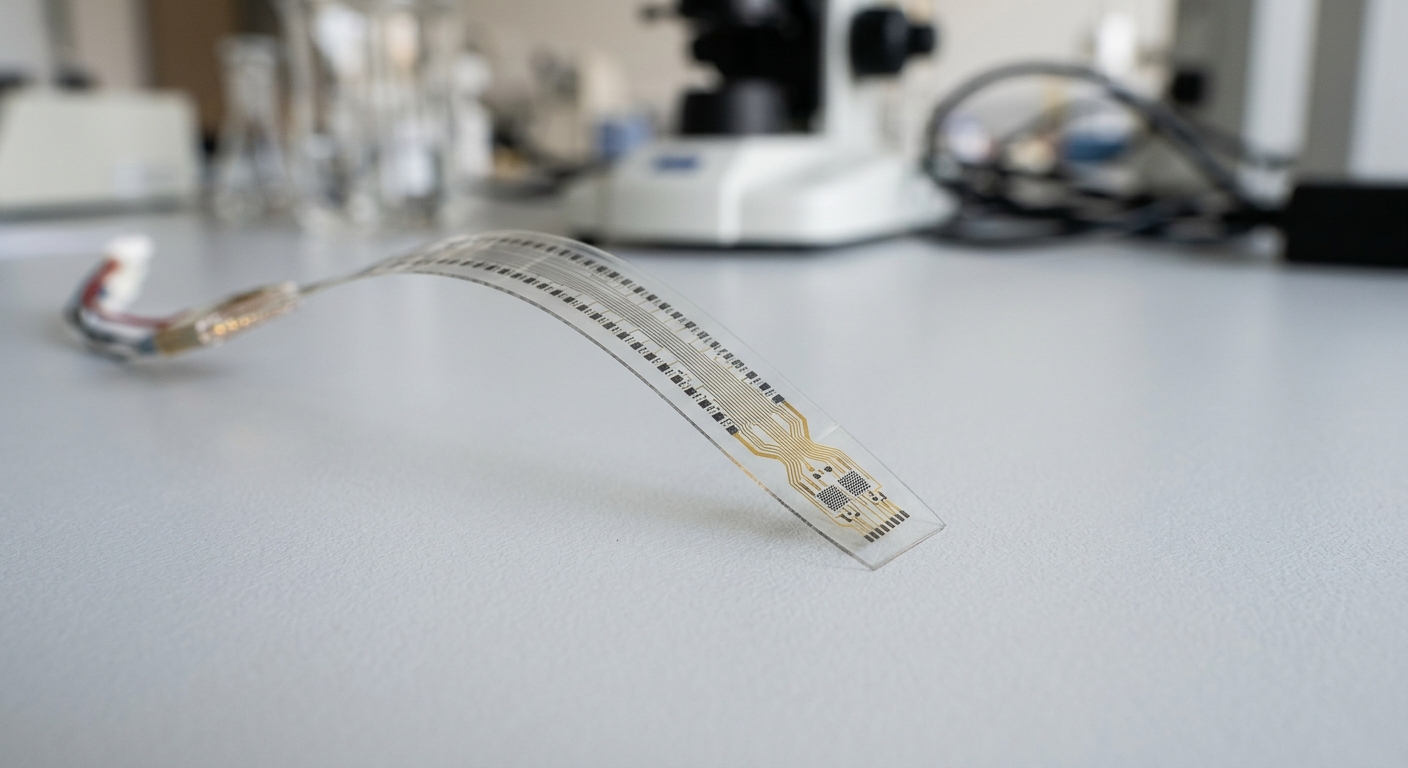
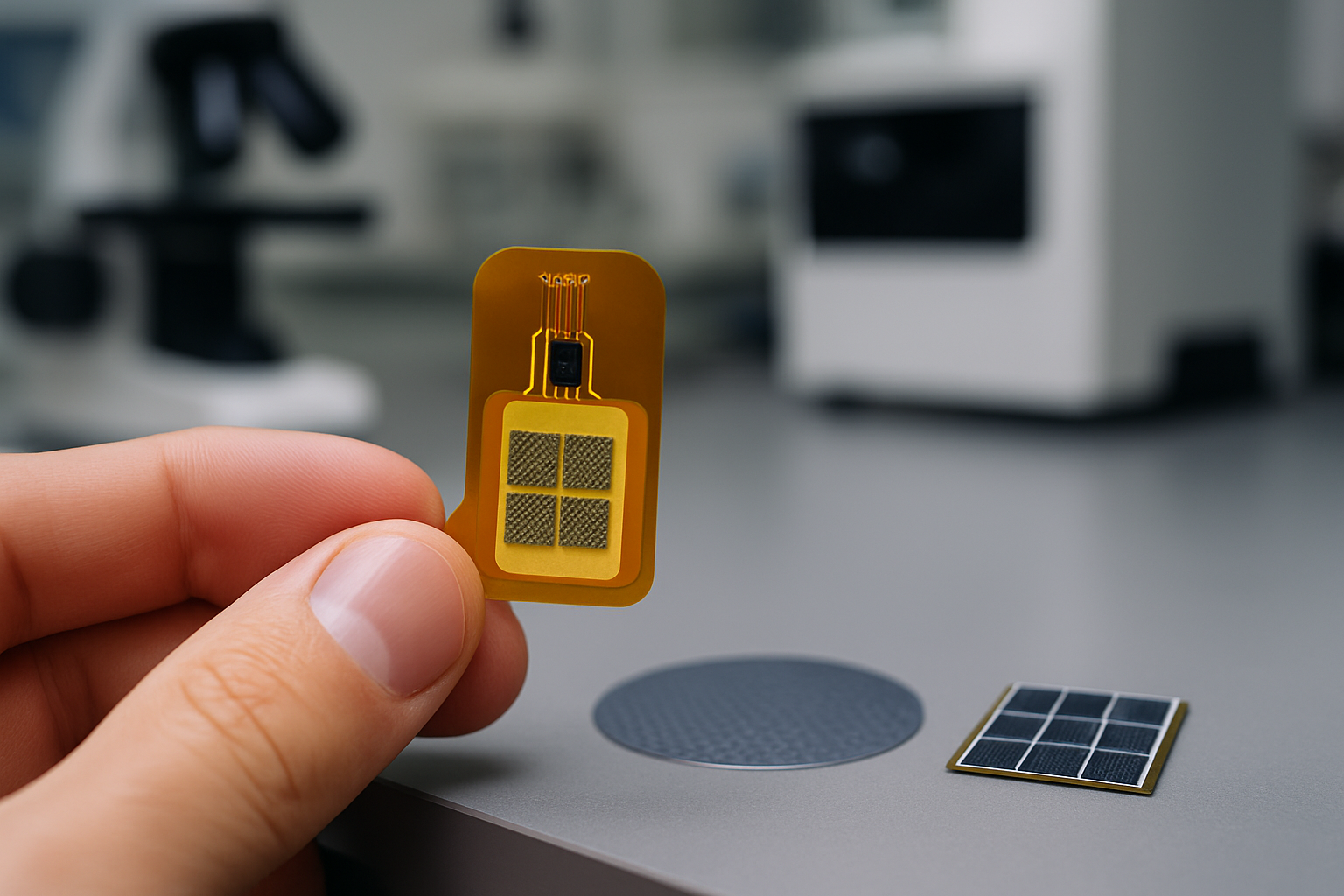
The team said it built dozens of graphene-based solar cells, wired them into standard packages and connected them to storage capacitors that charged in only a few minutes. Those capacitors powered the temperature sensor for more than 24 hours without recharging, while also removing the need for a conventional power management chip.
The researchers said the key technical hurdle was getting the sensor’s power demand down to the nanowatt range, far below the microwatt levels common in current systems. The result is a sensor architecture that relies on energy harvested from the local environment rather than a replaceable battery.
What the battery-free design changes
Because the device does not depend on a battery, the practical payoff is not just lower power use but longer service life and less maintenance. The researchers said that could matter in places where routine battery replacement is costly or disruptive, including agricultural climate monitoring, livestock tracking, building alarms, predictive maintenance and some wearables.
The team also said the design is meant to evolve into a multi-modal platform that could combine solar harvesting with other forms of ambient energy, including thermal, acoustic, kinetic and nonlinear sources. That would make the system less dependent on any single source of power.
A commercial path is already taking shape
The University of Arkansas said NTS Innovations holds the exclusive license to develop the graphene energy-harvesting technology into commercial products. The company has also supported patent work, business planning and customer discovery, and the university said more than 60 parties have expressed interest in testing the technology or integrating it into applications.
That does not make the system market-ready, but it does suggest the work is moving beyond a lab proof of concept. The immediate significance is that graphene is being used not only as a sensing material, but as part of a self-powered hardware stack that could reduce the cost and upkeep of distributed sensors.
If that development holds up in later testing, it would give graphene a more concrete role in the expanding market for unattended sensor systems.
Source: University of Arkansas News
Date: 2025-11-12