
WEG Launches Low-Temperature Cure Powder Coating as Coaters Push to Cut Oven Energy Use
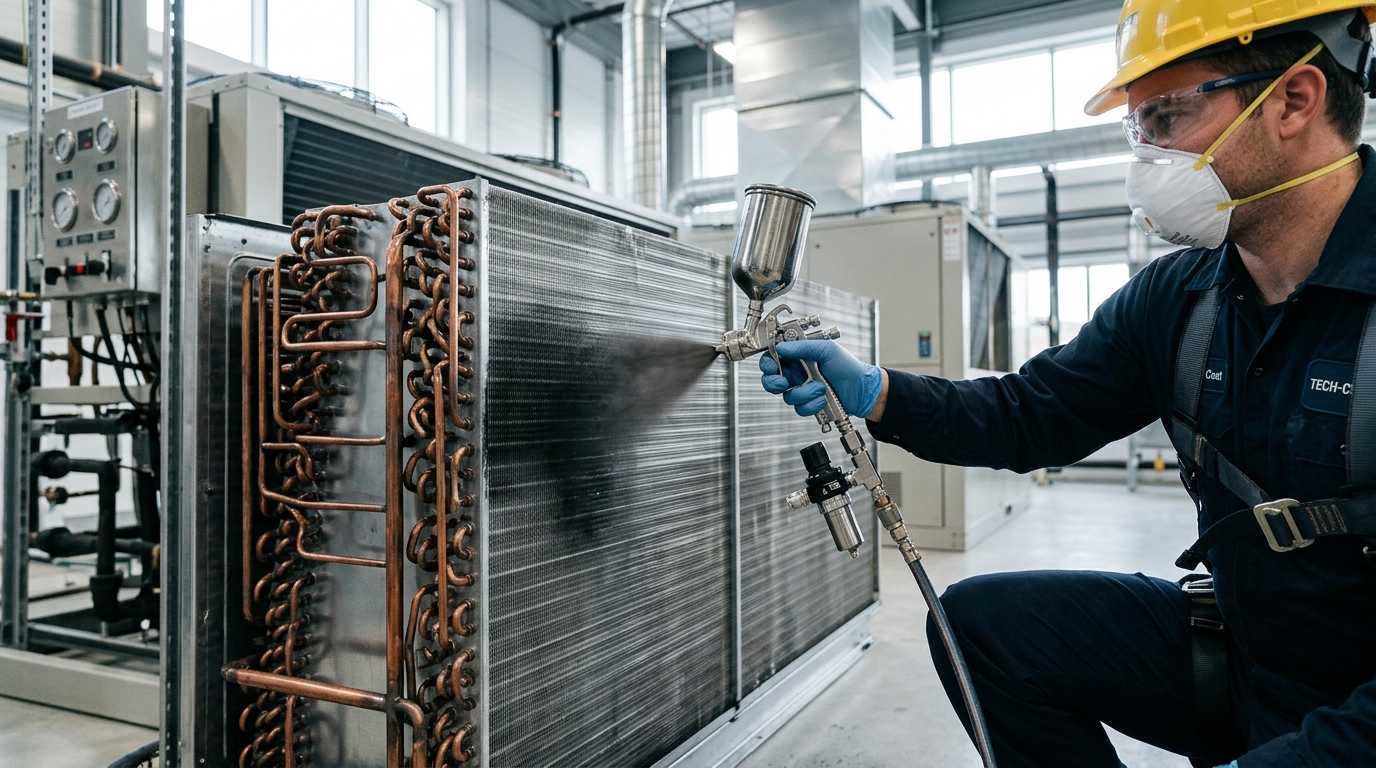
WEG has launched a powder coating built around low-temperature curing technology, aiming at industrial users that need to coat plastics, composites and other heat-sensitive substrates without the higher oven temperatures typical of conventional powder systems. The product entered the market in April 2026 and is being positioned around both process efficiency and broader substrate compatibility.
WEG targets heat-sensitive substrates with lower cure temperatures
The company says the new coating is designed for applications where standard powder cure conditions can be too aggressive for the part being coated. WEG said its technology can cure at temperatures below those commonly used in conventional powder coating lines, which it described as roughly 110-140 °C versus 160-200 °C for traditional systems.
That temperature gap matters in plants that process mixed-material assemblies or parts that cannot tolerate higher bake cycles. In practice, lower cure temperatures can widen the range of components that can be powder coated without deformation, surface damage or unnecessary thermal stress.
Energy use is the immediate industrial payoff
Lower cure temperatures also translate into a more direct operational benefit: reduced energy consumption in coating lines. For manufacturers running high-volume ovens, even incremental reductions in heat demand can affect throughput planning, utility costs and line design.
The pitch is especially relevant as industrial coaters weigh process economics alongside environmental targets. Powder coating already avoids solvents used in many liquid systems, and a lower-temperature variant adds another efficiency lever for plants looking to reduce the energy intensity of finishing operations.
Commercial significance for powder coating adoption
Low-temperature cure systems are one of the more practical ways powder coating technology has expanded beyond traditional metal parts. By lowering thermal requirements, suppliers can make powder coatings more viable for substrates and assemblies that were previously difficult to finish on a standard line.
WEG’s launch adds another commercial example of that shift, with the company explicitly tying the technology to industrial use cases rather than lab-scale performance claims. The result is a product aimed less at novelty than at a clear manufacturing constraint: how to keep powder coating attractive when heat-sensitive materials are part of the production mix.
Source: American Coatings Association, CoatingsTech magazine
Date: 2026-04-18