MIT says light-activated gel could open new paths for wearables and soft robotics
Researchers at the Massachusetts Institute of Technology have reported a light-activated gel that could push ionotronics closer to practical devices, adding a new materials platform for systems that move data through ions rather than only electrons. The work, published on April 16, 2026, points to uses in wearables, soft robotics and devices designed to interface more naturally with biological tissue.
MIT’s light-responsive gel adds a new material to ionotronics
The MIT team describes the gel as part of a growing effort in ionotronics, an area that uses ionic transport to carry signals in soft matter. That matters because materials that can conduct and respond in this way may be easier to integrate with living tissue, stretchable hardware and compliant robotic components than rigid conventional electronics.
The university’s materials science and engineering department highlighted the work on April 16, 2026, alongside other recent research in the field. MIT characterized the advance as a step toward devices that can bridge electronics and biology more effectively, while remaining compatible with soft, deformable systems.
Why the timing matters for soft robotics and body-adjacent devices
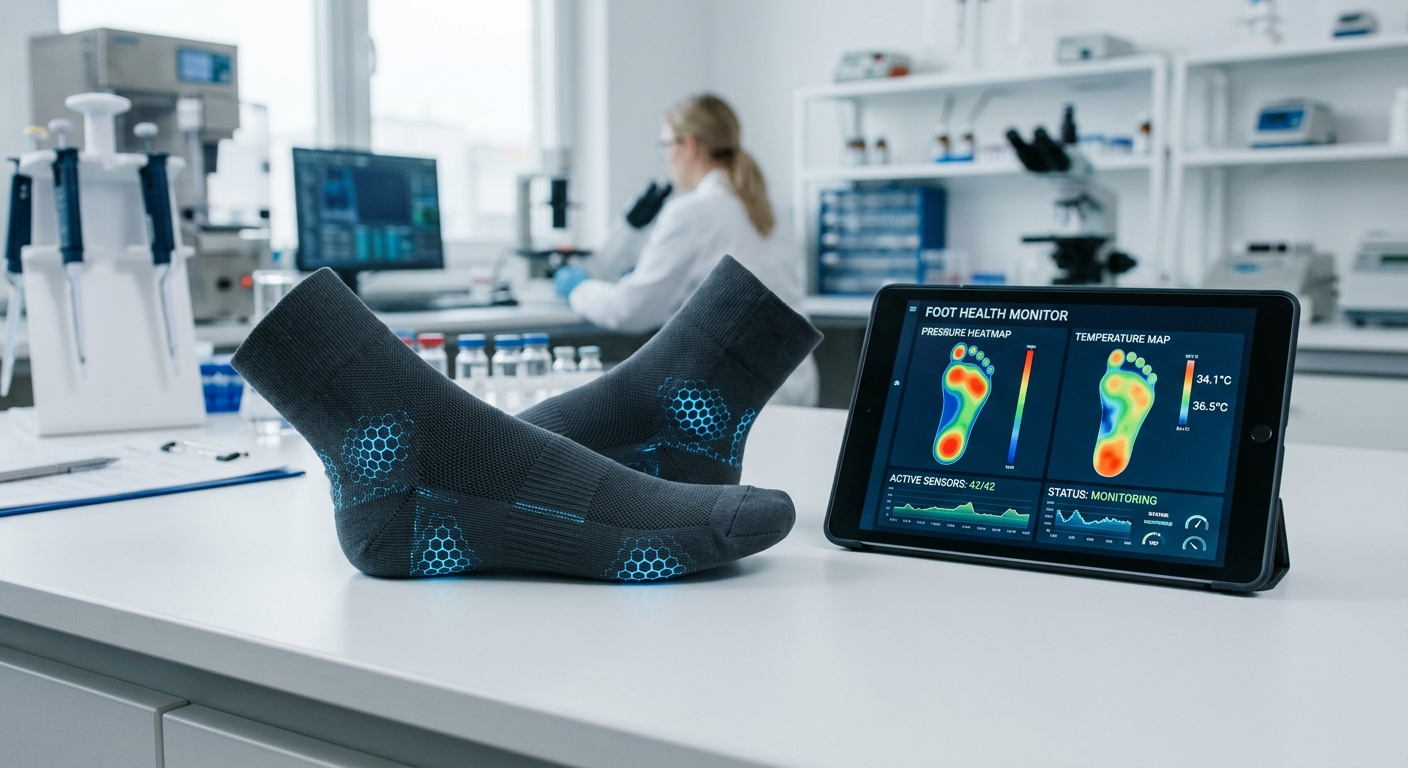
Soft robotics and wearable electronics continue to face a basic materials problem: the devices need to stay functional while bending, stretching and conforming to moving surfaces. Materials that can couple light activation with ionic motion offer engineers another route for building components that are less brittle and potentially easier to tune for these environments.
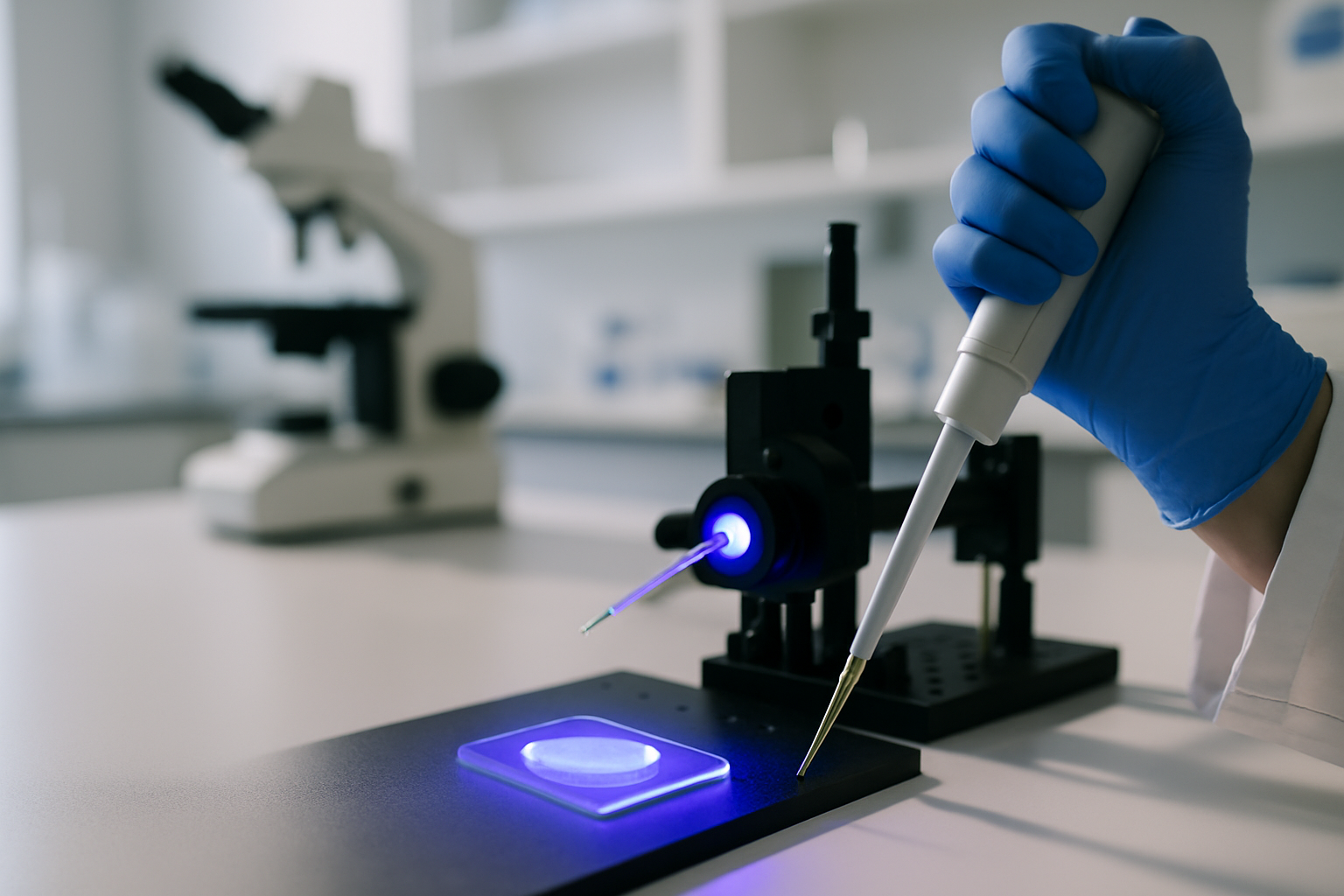
For commercial designers, that kind of platform is attractive because it suggests new device architectures rather than only incremental improvements to existing hardware. In practice, a gel that can be triggered or reconfigured by light could simplify prototyping for sensors, actuators or adaptive interfaces, although the path from laboratory material to product still depends on durability, repeatability and manufacturing scale.
What MIT’s report adds to the materials-science conversation
MIT’s framing places the gel within a broader shift in materials science toward functional soft matter, where structure and response are engineered together. That includes work aimed at better mechanical compliance, improved biointerface performance and more efficient transport of ions in hybrid systems.
At this stage, the report is best read as a research milestone rather than a commercial launch. But it is a concrete sign that materials researchers are continuing to move beyond traditional rigid conductors and toward platforms built for the mechanical and biological realities of next-generation devices.
Source: MIT News
Date: 2026-04-16