NASA award backs Aeluma’s push to put quantum dot lasers on silicon
Aeluma said on April 21, 2026, that it received a NASA award to advance its integrated quantum dot laser platform for data communication and sensing. The company framed the funding as a commercialization step for a class of nanomaterial-enabled photonic devices that could help close a longstanding gap in silicon photonics.
Aeluma’s quantum dot platform gets fresh NASA support
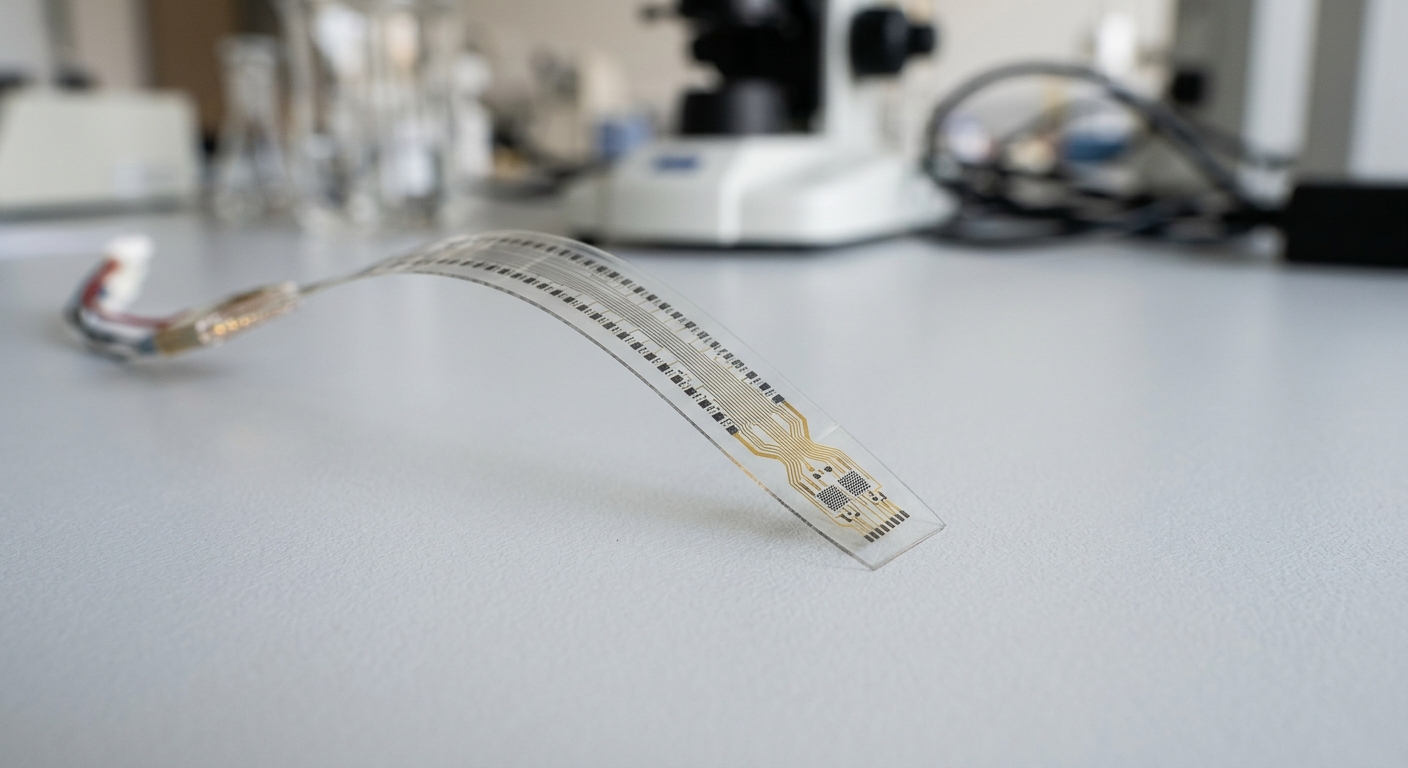
The company said the award will support work on integrating quantum dot lasers directly on silicon, an approach meant to preserve the scale and cost advantages of CMOS manufacturing while adding on-chip optical gain. Aeluma said the technology is being targeted at AI data center interconnects, sensing, defense and aerospace applications.
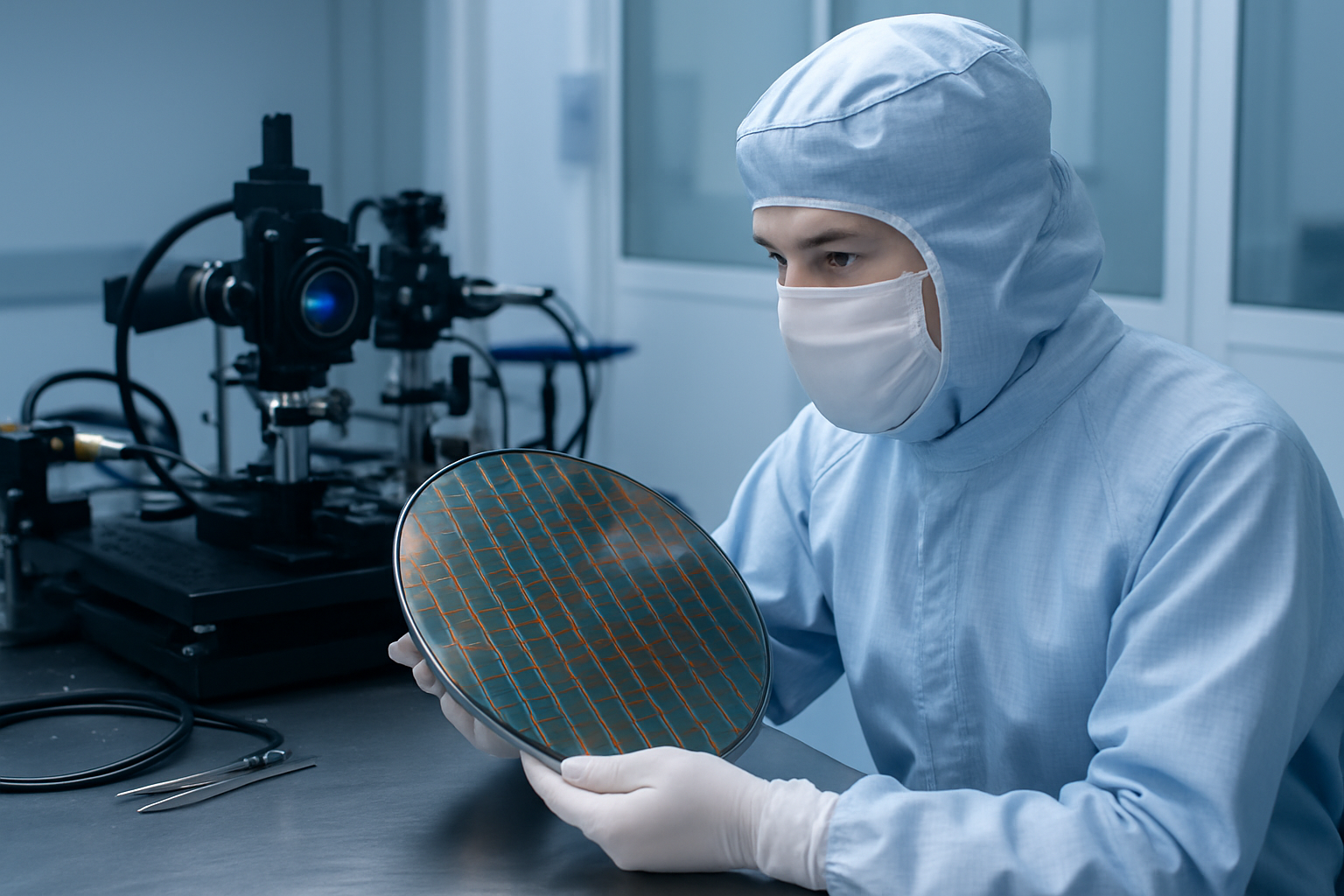
In its announcement, the company pointed to quantum dot lasers as attractive for datacom because of their potential for high power handling, reliability and low noise. It also said its large-diameter wafer heterogeneous integration platform gives it a route toward integrated lasers that can be manufactured at scale.
Why the material stack matters for silicon photonics
Silicon photonics has long been constrained by the lack of native optical gain on chip. Aeluma said its approach is designed to address that limitation by combining compound semiconductor materials with scalable wafer manufacturing methods already used in mass-market microelectronics.
The company said it will use high-throughput metalorganic chemical vapor deposition, or MOCVD, to build the quantum dot structures. That matters because MOCVD is already established in volume semiconductor production, which could make the transition from laboratory work to repeatable manufacturing more practical than a purely bespoke process.
Commercial relevance reaches beyond the lab
Aeluma said the NASA award provides non-dilutive funding, which can reduce pressure on a young hardware company as it pushes a complex photonics platform toward validation and partnerships. The company also said the work supports relationships with NASA and manufacturing partners.
For the broader nanomaterials sector, the significance is less about a single component than about a manufacturing signal: quantum dot materials continue moving closer to deployable photonic hardware rather than remaining confined to research demonstrations. If the approach proves durable and manufacturable, it could help widen the toolkit for high-density optical links and compact sensing systems.
The company has not said when it expects a commercial product from the program, but the award adds fresh momentum to a segment where materials performance and manufacturing compatibility have to advance together.
Source: GlobeNewswire / Aeluma, Inc.
Date: 2026-04-21T07:00:00-04:00