Meta reserves 100 GWh from Noon Energy in push for 100-hour storage at data centers
Meta has agreed to reserve up to 1 GW, or 100 GWh, of ultra-long-duration energy storage from Noon Energy, in a deal announced on April 21, 2026. The agreement starts with a 25 MW/2.5 GWh project scheduled for completion by 2028 and could expand into a much larger supply arrangement if the first installation performs as planned.
Meta turns to multi-day storage for AI power needs
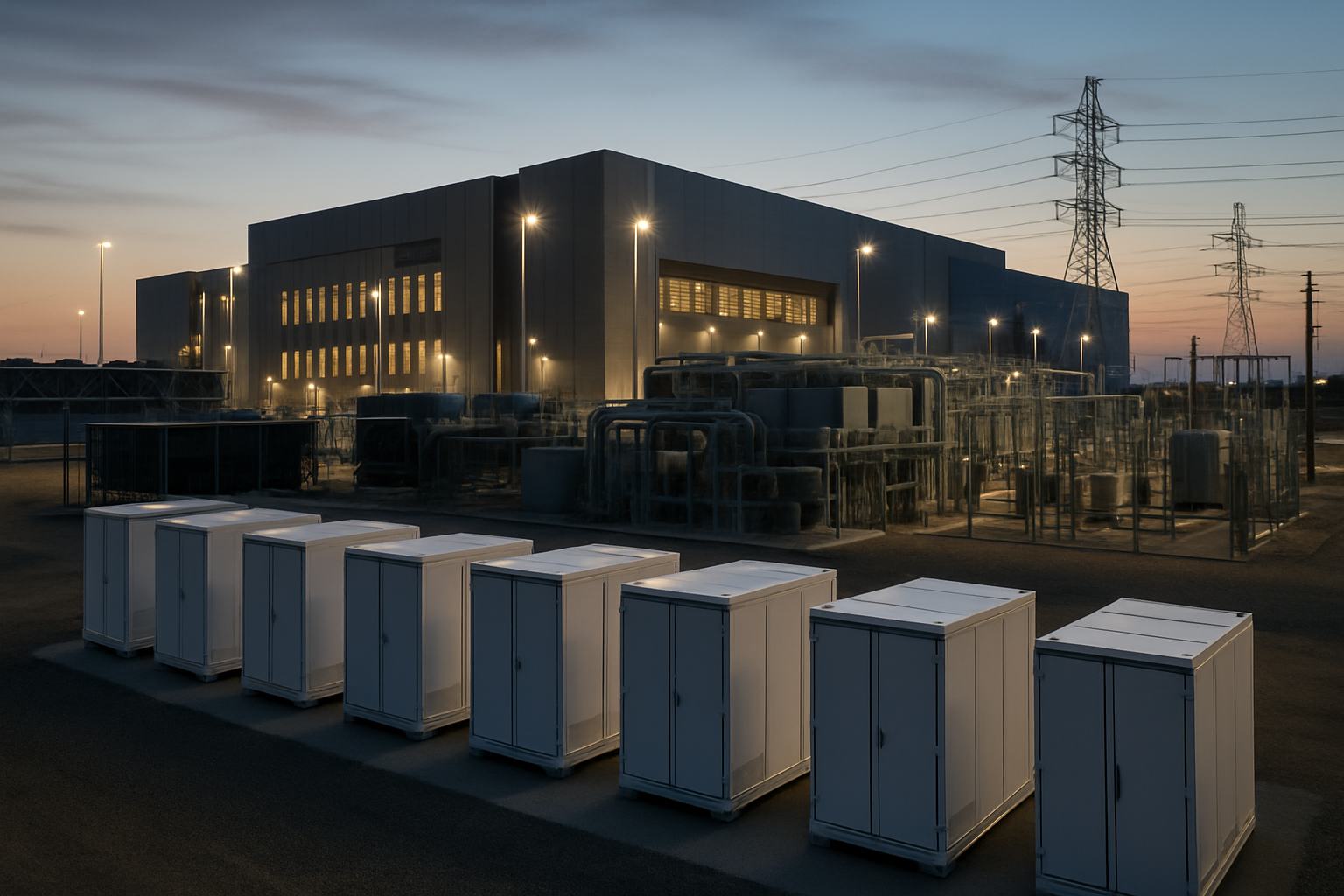
The deal is aimed at giving Meta a source of continuous power for next-generation AI data center infrastructure. Noon says its system can store and discharge electricity for more than 100 hours, using a modular reversible solid oxide fuel cell design intended to bridge long gaps when renewable generation is low.
That matters because data centers are increasingly looking for firm electricity supply that can be deployed faster than new generation and transmission. Ultra-long-duration storage sits in a narrower lane than conventional four-hour batteries, but it is designed for the reliability problem that conventional systems do not solve.
The first project is small, but the signal is larger
Before any large-scale deliveries begin, Noon and Meta will move through a 25 MW/2.5 GWh initial project due by 2028. The larger 1 GW/100 GWh supply contract is tied to the success of that first deployment, making the initial project a practical test of whether the technology can move from promise to repeatable commercial use.
For Noon Energy, the agreement is a commercialization milestone rather than just a pilot announcement. For Meta, it is a way to secure a potential future power resource that could support new AI facilities without waiting entirely on conventional grid upgrades.
Why energy storage companies will watch this closely
Long-duration storage has often been discussed as a grid asset, but this deal points to a different near-term market: hyperscale computing. If the first project advances on schedule, it could strengthen the case for storage technologies that are measured in days rather than hours and are built around firm capacity, not just peak shaving.
That makes the agreement notable beyond the companies involved. It suggests that data-center buyers may become an important commercial channel for advanced storage technologies as operators search for cleaner power that is also available at the scale and reliability their workloads require.
Source: GlobeNewswire / Noon Energy
Date: 2026-04-21T09:04:00-04:00