
GMG says U.S. EPA clearance could push its graphene battery work closer to commercialization
Graphene Manufacturing Group has received U.S. Environmental Protection Agency approval to import and sell its graphene-based THERMAL-XR coating in the United States, giving the Australian company a commercial foothold in its largest target market while it continues to develop a graphene-aluminium-ion battery with the University of Queensland.
EPA clearance opens the U.S. market for GMG’s graphene coating
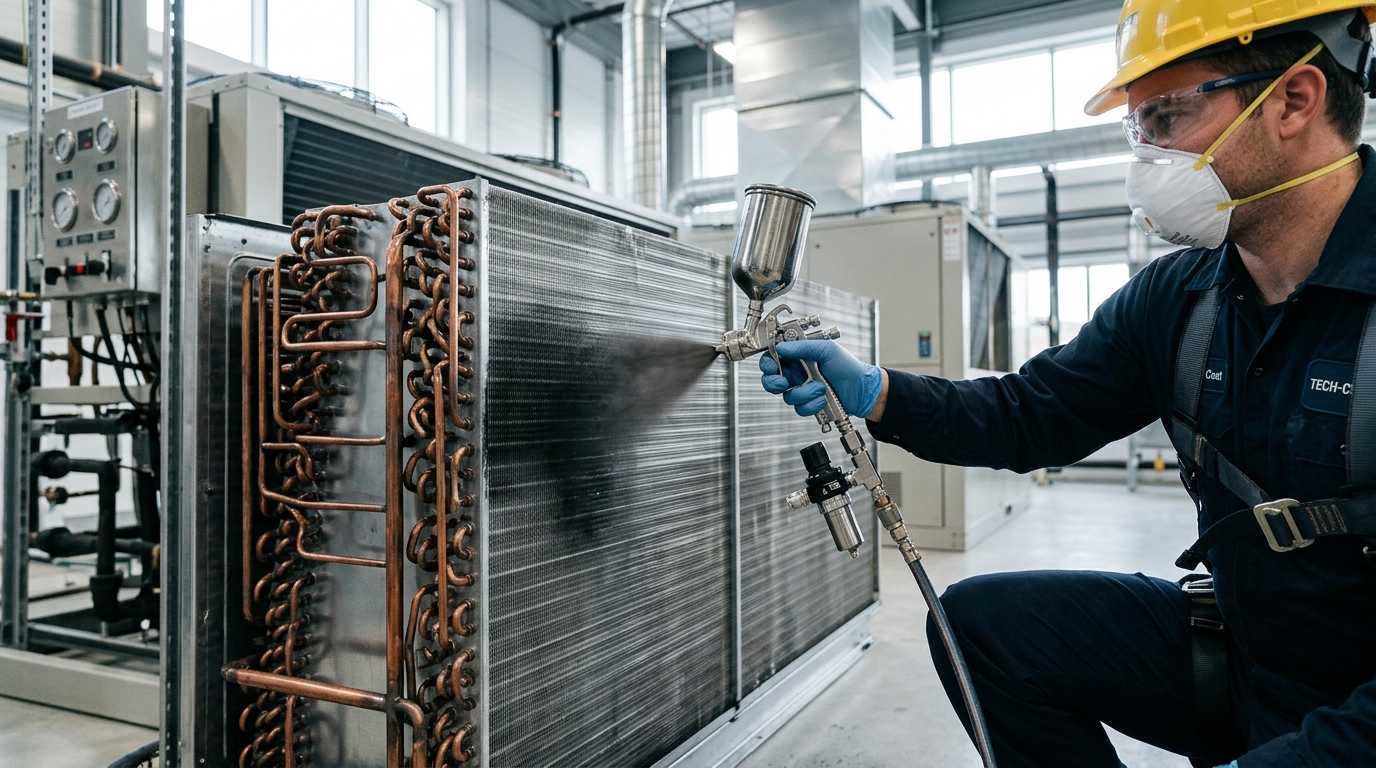
The EPA consent order, announced on March 16, 2026, authorizes GMG to export, distribute, sell, use and dispose of the chemical substance used in THERMAL-XR ENHANCE in the United States, subject to the conditions in the order. GMG said the approval enables commercial sales with its North American distributor Nu-Calgon, which the company describes as a key channel into the HVAC-R aftermarket.
GMG framed the approval as a major milestone because the coating is already positioned for use on heat-exchange surfaces in HVAC-R systems, data centers, LNG plants, automotive applications and electronics. The company said it believes it is among the few graphene-product developers to secure EPA approval for an unlimited amount of a graphene-based product in the U.S.
Why the coating matters to the battery story
GMG is not launching a graphene battery with this approval. But the decision is still relevant to the battery narrative because the company says its broader business rests on in-house graphene production, product commercialization and supply-chain development. Revenue and operational credibility from the coating business could help support the company’s scale-up ambitions as it advances next-generation energy-storage work.
The company says it is collaborating with the University of Queensland, with financial support from the Australian government, to advance graphene aluminium-ion batteries. In its latest disclosure, GMG said the battery effort remains in R&D and commercialization development, while the company also continues to work on a graphene additive slurry intended to improve lithium-ion battery performance.
Commercialization, not a lab claim, is the immediate takeaway
GMG’s language points to a practical milestone rather than a scientific breakthrough. The company has already signed a North American distribution agreement, verified heat-transfer and energy-savings results in earlier work, and now has a U.S. regulatory path for sales of the coating product. That matters because graphene-linked battery developers often struggle to move from promising materials science to repeatable manufacturing and actual product revenue.
For investors and industry watchers, the immediate significance is that GMG has a clearer route to selling a graphene product in the United States while its battery program remains on a longer development timeline. The battery work is still the headline technology, but the latest U.S. approval is the nearer-term commercial event.
Source: Graphene Manufacturing Group Ltd. via Newsfile
Date: 2026-03-16