Graphene Breakthroughs in 2026 Are Transforming Green Hydrogen, Quantum Physics, and Industrial Manufacturing
February 2026 is emerging as a defining month for graphene, the one-atom-thick carbon material once described as revolutionary but commercially elusive. New developments spanning green hydrogen production, quantum matter, and historical materials analysis suggest graphene is rapidly transitioning from laboratory promise to industrial backbone.
From scalable hydrogen catalysts to the first naturally observed supersolid in a two-dimensional material, and even new evidence tied to Thomas Edison’s original light bulb experiments, graphene is now influencing energy, physics, and manufacturing at once.
Low-Cost Green Hydrogen Catalyst Signals Industrial Shift
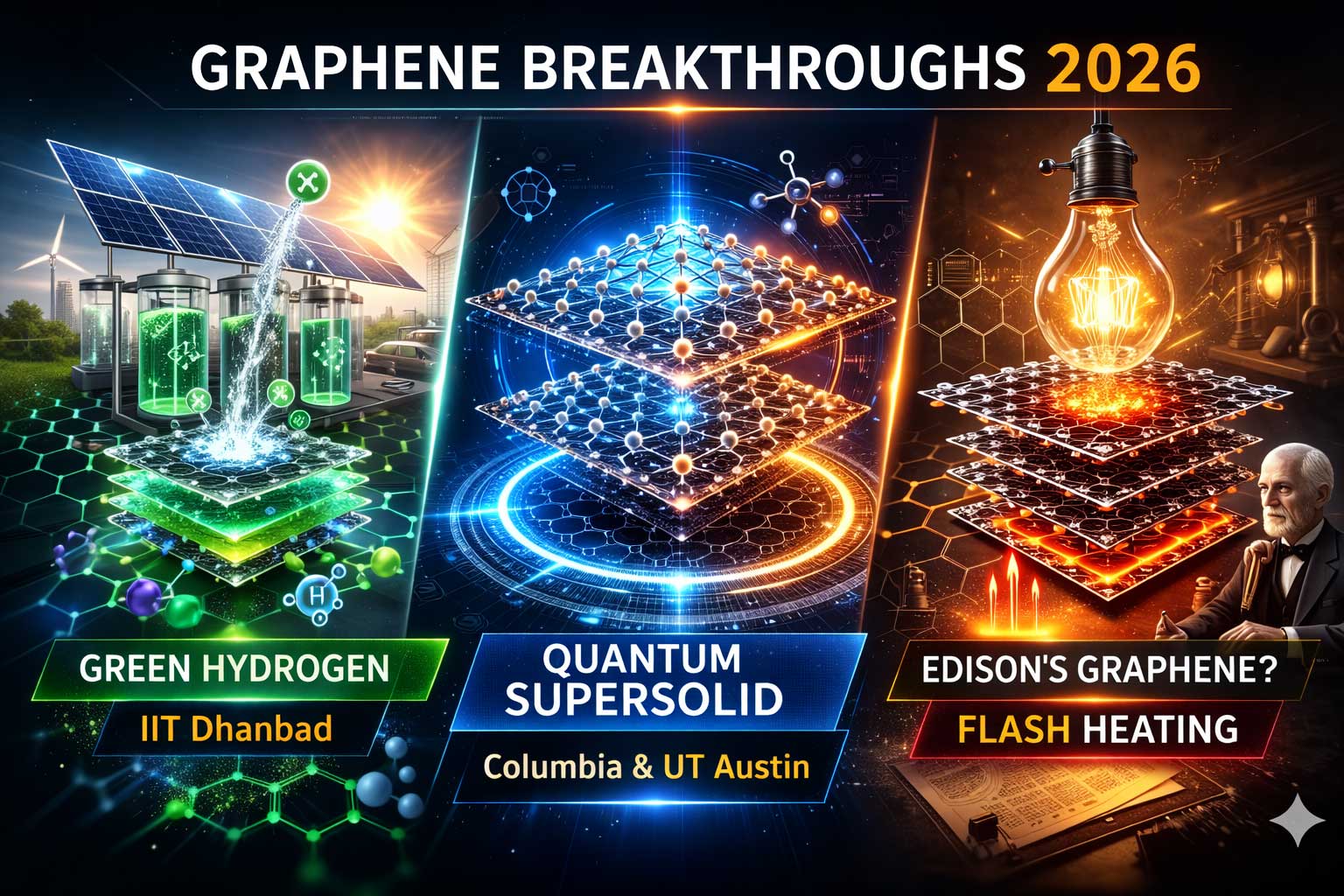
Researchers at IIT (ISM) Dhanbad announced a graphene-based catalyst capable of reducing the cost of green hydrogen production. The team integrated reduced graphene oxide with molybdenum and vanadium sulfides, creating a catalytic structure that replaces platinum and other expensive noble metals.
Green hydrogen production remains one of the most capital-intensive decarbonization pathways. In India, costs currently range between ₹250 and ₹350 per kilogram. By eliminating platinum and relying on earth-abundant materials, the graphene-based catalyst could significantly improve economic viability at scale.
- Sunlight-Driven Production: Demonstrated hydrogen generation powered solely by silicon solar cells and water.
- Scalable Materials: Uses non-precious metals suitable for mass manufacturing.
- Decarbonization Potential: Supports industrial sectors such as steel, cement, and heavy transport.
If commercialized successfully, graphene-enhanced electrolysis systems could accelerate national hydrogen strategies across Asia, Europe, and North America.
Quantum Physics Milestone: The Graphene Supersolid
In research published in Nature, physicists from Columbia University and the University of Texas at Austin reported observing a rare state of matter in double-layer graphene: a supersolid.
Under specific magnetic fields, excitons—bound electron-hole pairs—transitioned from a frictionless superfluid state into a rigid, spatially ordered structure while preserving quantum coherence. This dual behavior defines a supersolid, a state simultaneously exhibiting characteristics of solids and liquids.
- First Natural 2D Supersolid: Observed without artificial confinement traps.
- Magnetic Tunability: Controlled through external magnetic field adjustments.
- Quantum Technology Relevance: Offers new insights for next-generation quantum computing systems.
The discovery reinforces graphene’s importance as a controllable two-dimensional quantum platform, expanding its role beyond electronics into fundamental physics research.
Historical Reassessment: Edison and Turbostratic Graphene
A study published in ACS Nano suggests Thomas Edison may have inadvertently produced graphene during his 1879 carbon filament experiments. Researchers recreated Edison-style filaments and applied Raman spectroscopy analysis, identifying signatures consistent with turbostratic graphene—misaligned stacked carbon layers.
The electrical pulses used in early light bulbs closely resemble modern “flash Joule heating,” a technique now used to convert waste carbon into graphene at scale.
- Flash Heating Similarity: Historic filament pulses mirror modern graphene synthesis methods.
- Manufacturing Implications: Suggests graphene formation may occur under simpler thermal conditions than previously assumed.
- Production Blueprint: Could inspire lower-cost industrial graphene manufacturing techniques.
The finding reframes graphene not as a purely modern material but as one that may have existed unintentionally in early industrial experiments.
Graphene Market Momentum in Early 2026
Additional February 2026 Highlights
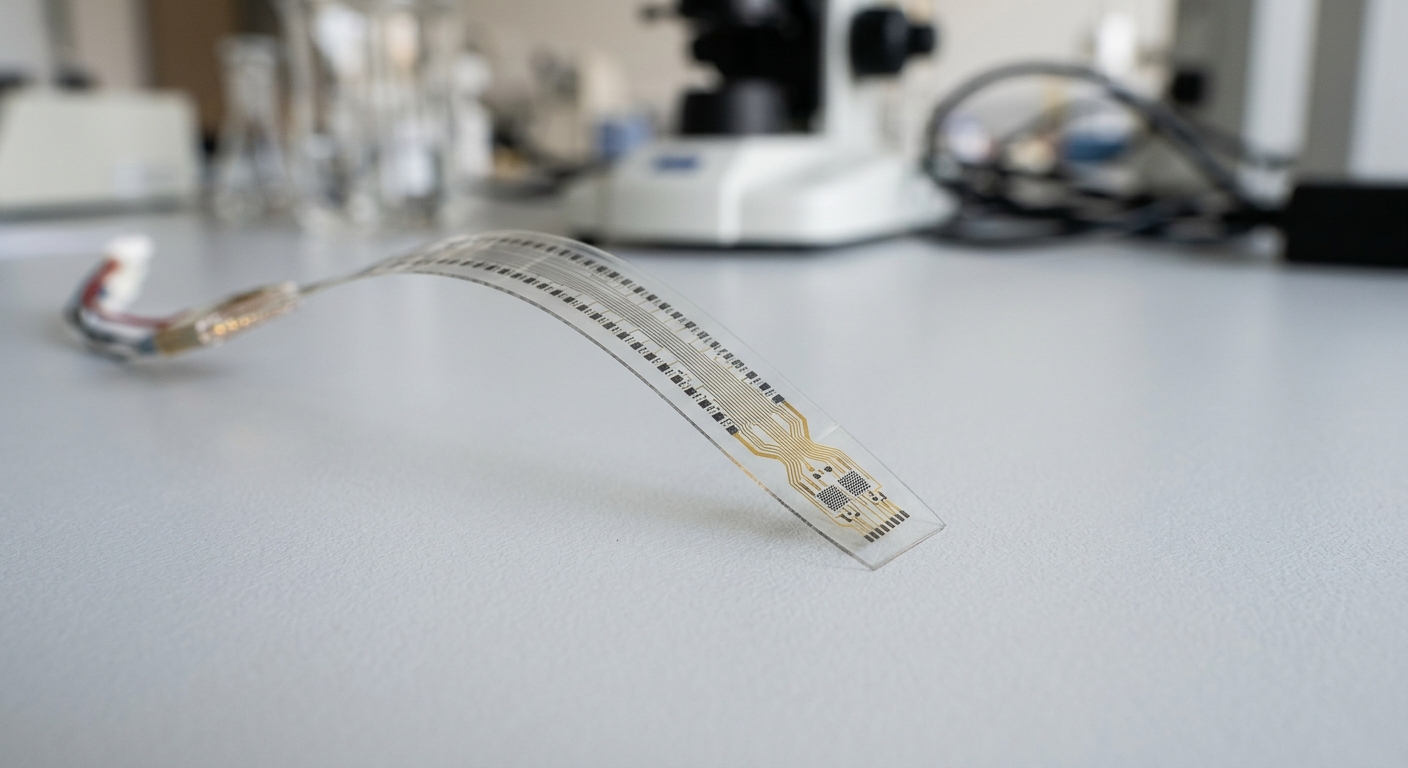
- Atomic-Scale Graphene Gates: University of Osaka researchers created atom-sized graphene “gates” that mimic biological ion channels, potentially advancing DNA sequencing technologies.
- Thermal Management in EVs: Graphene additives now support ultra-fast charging cycles by dissipating extreme heat in battery packs.
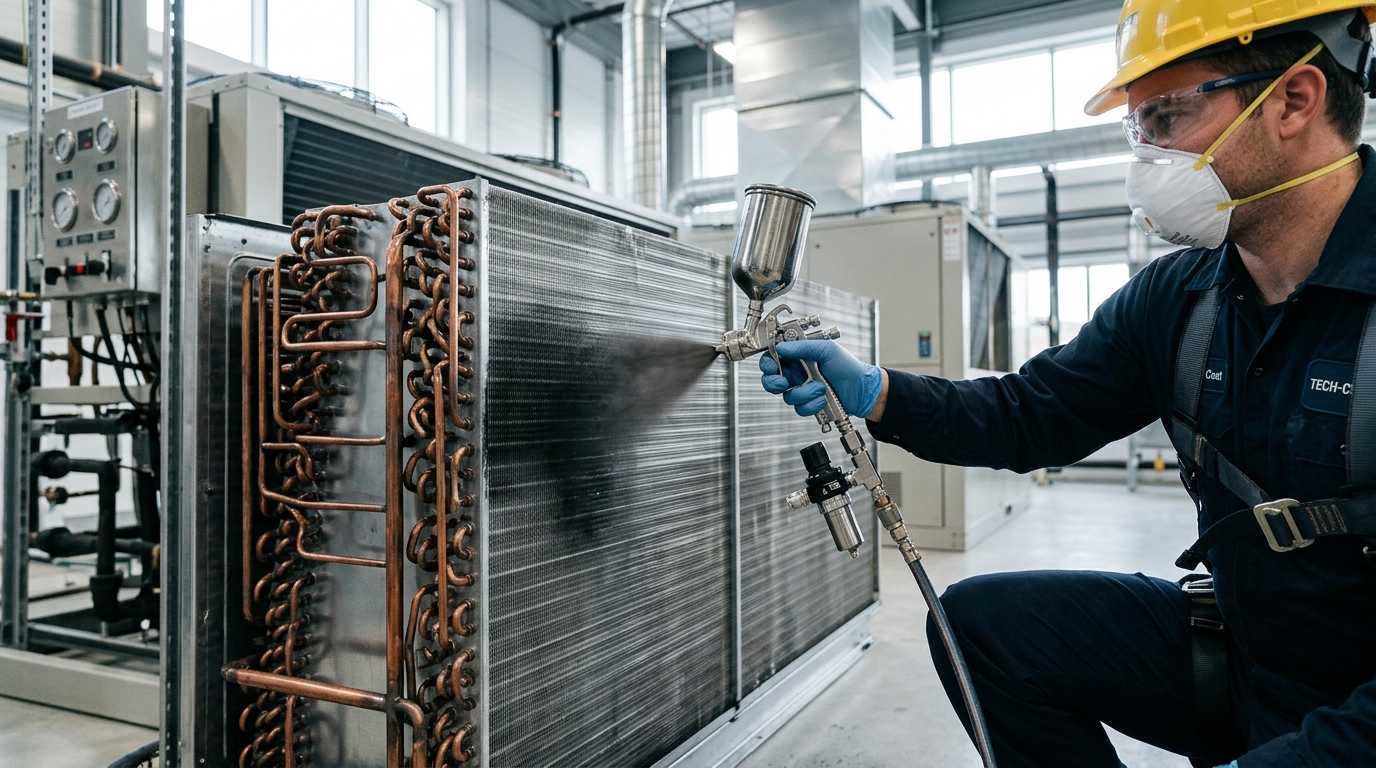
- Anti-Corrosion Coatings: Graphene-infused coatings are extending industrial steel lifespan from 5–7 years to 12–15 years.
From Research Material to Industrial Infrastructure
For more than a decade, graphene has been characterized as a material of extraordinary potential awaiting large-scale validation. The developments unfolding in early 2026 indicate that this transition may now be underway.
With breakthroughs in clean energy, quantum matter, advanced coatings, and scalable synthesis methods, graphene appears positioned to serve not just as an advanced material but as a foundational platform for multiple industries entering the next phase of technological development.