Scientific Reports study details superhydrophobic steel coating that delivered 96.5% corrosion protection
A new study published on April 11 describes a superhydrophobic coating for steel that combines in-situ electrodeposition with a green surface treatment, and the authors report 96.5% protection efficiency in salt solution. The work adds a fresh data point to one of coatings technology’s most practical problems: how to protect steel surfaces from corrosion without relying on fragile or difficult-to-scale finishes.
Two-step process builds a rough, water-repelling surface on steel
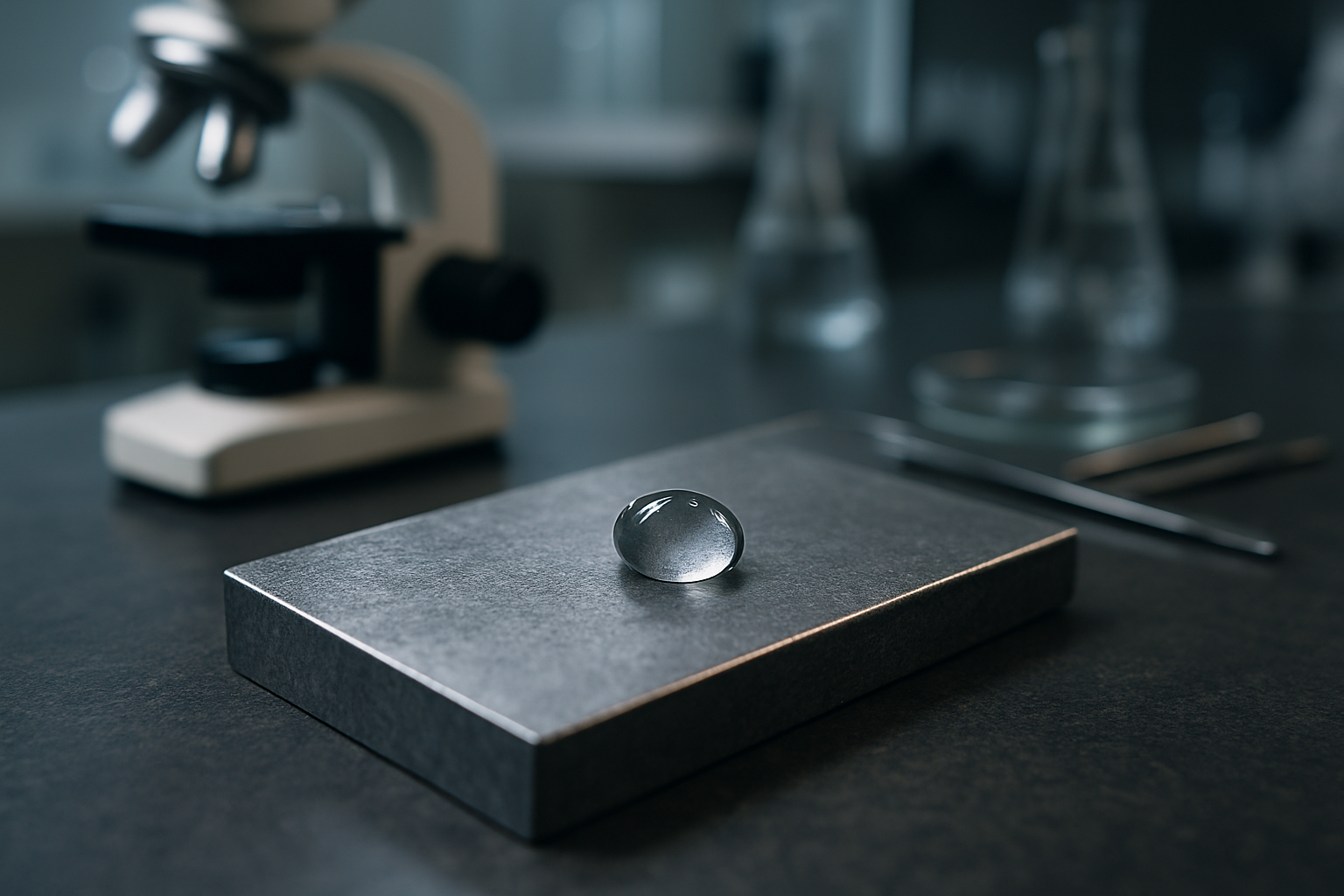
The coating was made in two stages. First, the researchers grew nickel-aluminum layered double hydroxide directly on steel through electrodeposition, creating a hierarchical micro-nano structure. They then functionalized the surface with stearic acid to lower surface energy and produce superhydrophobic behavior.
According to the paper, the optimized coating reached a water contact angle of 161 degrees and a sliding angle of 3 degrees. The study says a 15-minute deposition at 40 mA produced the best result, suggesting the method can be tuned with relatively simple process controls rather than exotic equipment.
Corrosion tests point to a meaningful durability step
In 0.5 M sodium chloride solution, the optimized coating achieved 96.5% corrosion protection efficiency, the authors report. The paper also says the surface retained its superhydrophobic properties after 1,100 mm of linear abrasion and remained chemically stable across a wide pH range from 1 to 13.
That combination matters because many high-performing anti-corrosion coatings lose effectiveness once they are scratched, worn, or exposed to aggressive chemicals. The durability results are not a final industrial qualification, but they do suggest the coating is more than a laboratory-only surface effect.
Why corrosion-resistant coatings still matter for steel
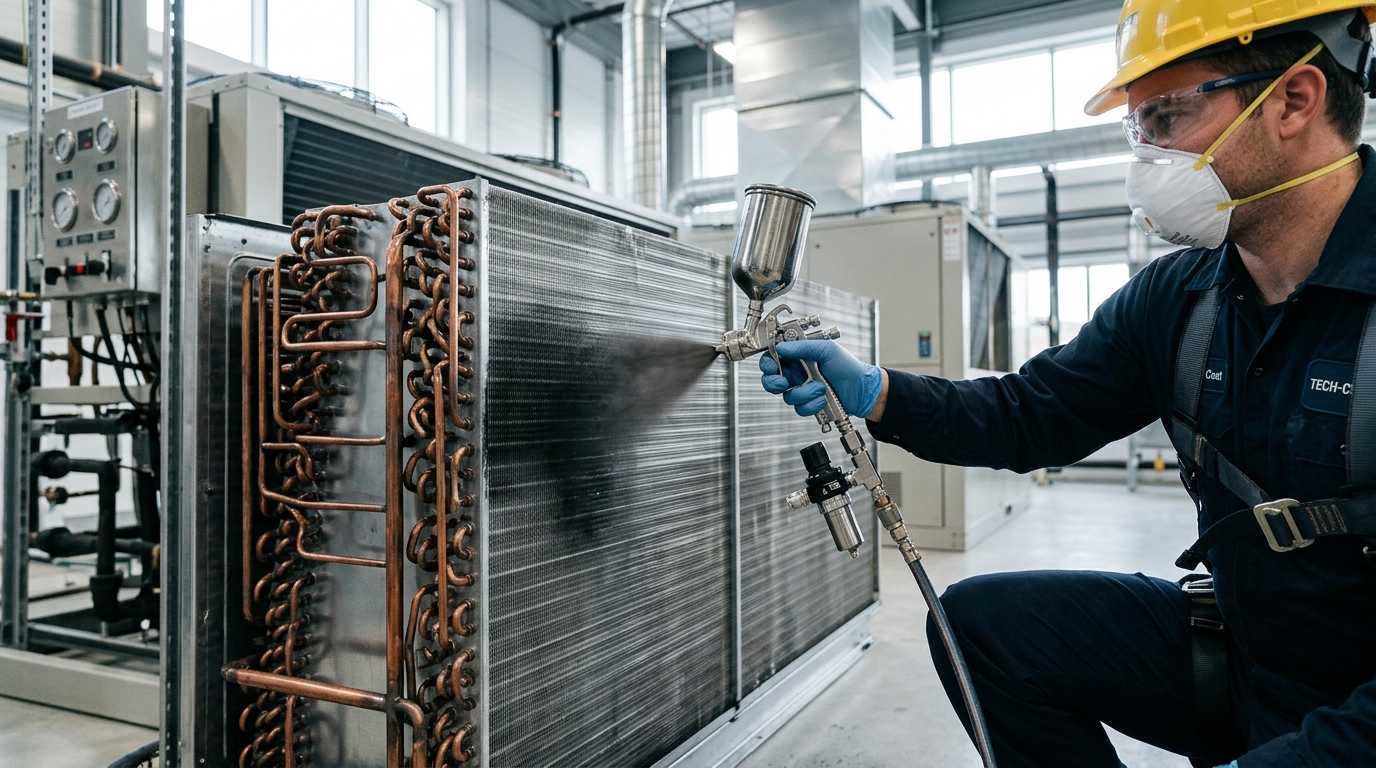
Steel corrosion remains a costly maintenance issue in infrastructure, marine environments, process equipment and transport systems. A coating that can be grown directly on metal, rather than applied as a more delicate top layer, is attractive because it may simplify manufacturing and improve adhesion at the interface where failures often begin.
The study’s use of stearic acid, a comparatively low-toxicity hydrophobic modifier, also fits broader industry pressure to reduce dependence on more hazardous coating chemistries. The paper does not claim commercial deployment, but it does outline a coating architecture that could be easier to evaluate for real-world anti-corrosion applications than many earlier superhydrophobic concepts.
April 11 publication gives the field a fresh benchmark
Because the article is newly published and open access, it offers coating engineers and materials researchers a current benchmark for performance claims in durable corrosion protection. The next question is whether the same balance of adhesion, abrasion resistance and chemical stability can survive the harsher realities of field use, where temperature swings, impacts and long-term exposure tend to expose weaknesses quickly.
For now, the most concrete takeaway is that a straightforward electrodeposition route has produced a steel coating with unusually strong reported corrosion resistance and durability in the lab.
Source: Scientific Reports
Date: 2026-04-11