Oregon State team pairs reduced graphene oxide with oxide chemistry for faster food testing

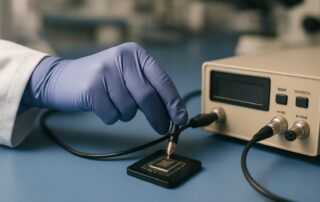
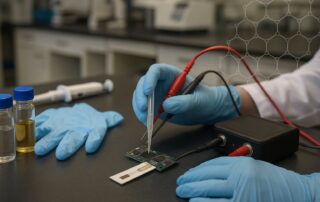
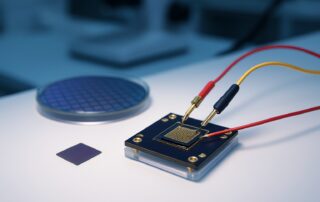
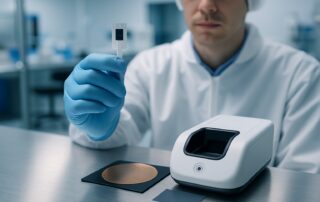
Oregon State University researchers reported an electrochemical sensor that uses reduced graphene oxide in a nanocomposite designed to speed up food-quality testing. The device was built to detect theobromine in drinks and chocolate milk, pointing to a practical route for lower-cost screening outside conventional labs.
By |2026-04-26T03:16:50+00:00April 26th, 2026|News|

Graphene sensor prototype powers temperature readings without a battery in Arkansas-Michigan test

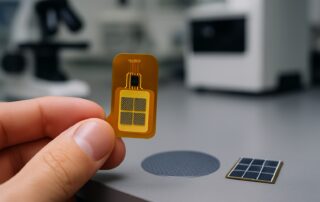
Researchers at the University of Arkansas and the University of Michigan say they have demonstrated the first ultra-low-power temperature sensor powered by graphene-based solar cells, a battery-free design that could reduce maintenance in remote monitoring and wearable devices.

By |2026-04-24T05:16:14+00:00April 24th, 2026|News|

Paragraf turns graphene sensing into a ready-to-use lab kit as it pushes biosensor commercialization

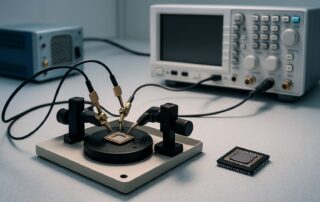
Paragraf has launched a GFET Discovery Kit that packages its graphene molecular sensing hardware into a ready-to-run setup, a practical step aimed at researchers who want to test graphene biosensing without assembling the electronics themselves.

By |2026-04-14T02:34:41+00:00April 14th, 2026|News|
Go to Top