Graphene Study Hints at New Bone-Repair Scaffold After Rat Experiments in Brazil
Researchers in Brazil reported a new graphene-based biomaterial that helped bone regenerate more effectively in laboratory rat experiments, a finding that adds fresh momentum to graphene’s biomedical potential.
The work, published in Scientific Reports and highlighted by Phys.org on April 1, 2026, suggests the material could eventually support fracture repair or help rebuild bone lost to injury or disease. The researchers emphasized that the results are early and based on animal studies, not human trials.
What the study found
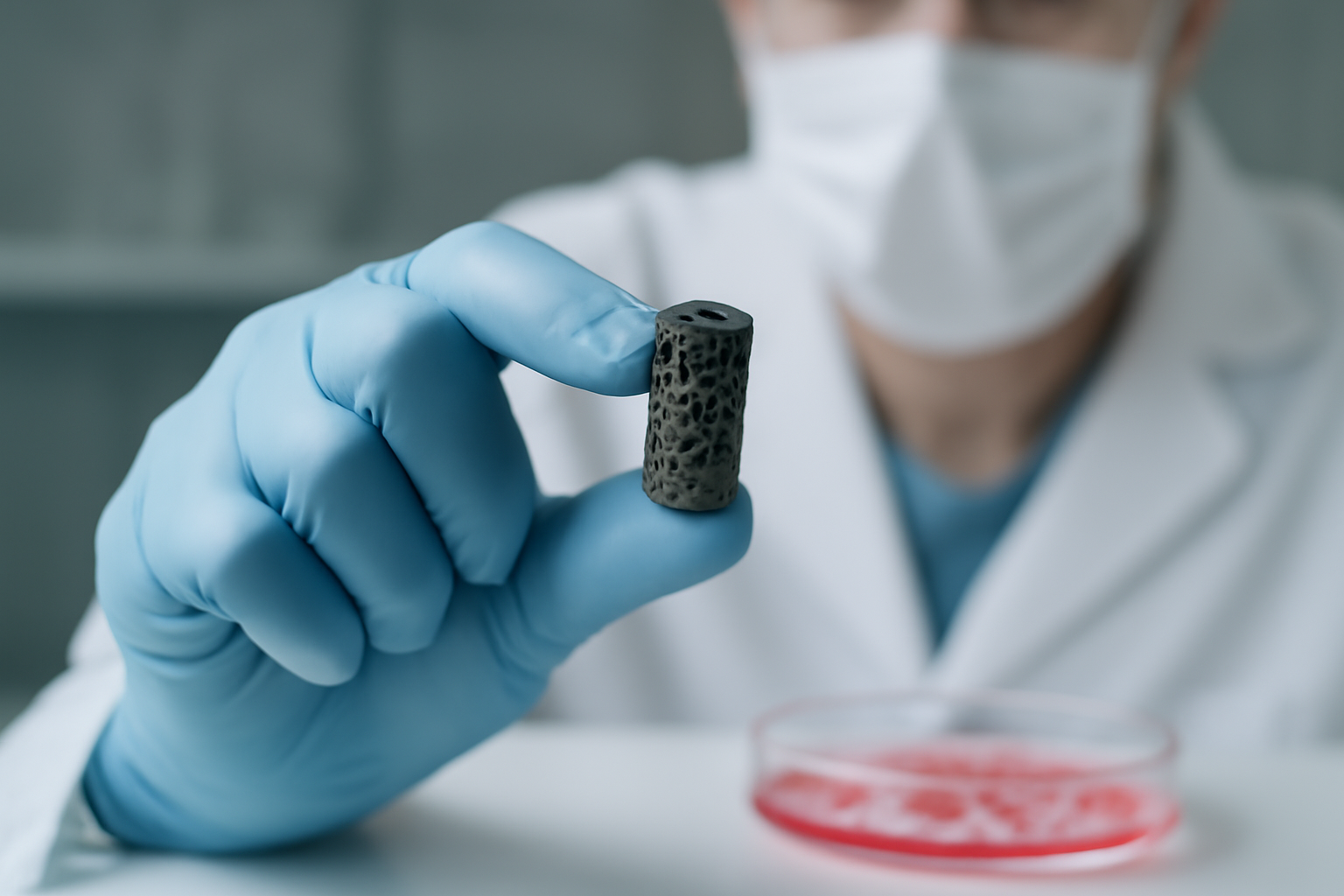
In the experiments, the team tested different carbon-based scaffolds designed to promote bone healing in rat tibiae. According to the report, the graphene-containing version performed best, showing stronger signs of bone recovery than the other formulations.
The idea is not that graphene replaces bone, but that it helps create a structure where cells can attach, grow, and organize more effectively. The researchers described the scaffold as a biologically active environment rather than just a passive support.
Why graphene matters here
Graphene has drawn attention in medicine because of its strength, conductivity, and versatility at the nanoscale. In tissue engineering, those properties can make it useful in composite materials that need to balance structural support with compatibility for living cells.
In this case, the study points to a potential role for graphene in improving the architecture of bone scaffolds, including pore structure, stiffness, and overall integration with surrounding tissue.
Early-stage results, not a treatment yet
Despite the encouraging results, the research remains at an early stage. The reported findings came from animal testing, and there is no indication that the material is ready for clinical use in people.
That means the next steps would likely include more preclinical work, careful safety testing, and eventually human studies if the approach continues to look promising.
- Graphene-based scaffolds improved bone regeneration in rat experiments.
- The study was reported on April 1, 2026 and published in Scientific Reports.
- Researchers say the material may one day aid fracture repair, but it is still far from human use.
What to Watch
The key question is whether the results can be repeated in larger studies and whether the scaffold can be adapted for safe use in people. Watch for follow-up preclinical research, any move toward stem-cell combinations, and whether the approach draws interest from biomedical materials companies.
Source Reference
Primary source: Phys.org
Source date: 2026-04-01
Reference: Read original source