
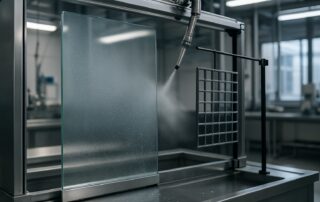
Plaid Technologies opens commercial assessment of graphene water-shedding coatings for glass and metal
Plaid Technologies has launched a strategic assessment of graphene-based water-shedding coatings, films and membranes for glass and metal, a step that pushes the material closer to commercial evaluation rather than laboratory development.
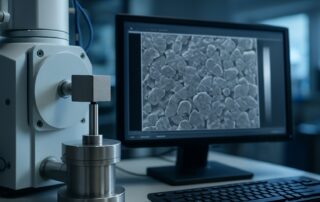
Oak Ridge team uses machine learning to rebuild fusion-grade tungsten microstructures
Oak Ridge National Laboratory researchers have developed a generative machine-learning workflow that learns the statistical fingerprints of damaged tungsten and produces synthetic microstructures for fusion-material testing. The April 15 study could reduce the time and cost of assessing plasma-facing components for future reactors.
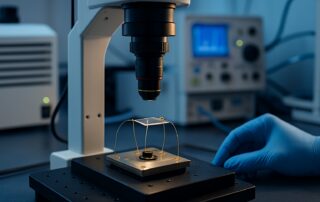
Nature Communications paper questions a record graphene heat-conduction result
A March 27 Nature Communications paper is putting a high-profile graphene thermal conductivity claim under the microscope, arguing that the reported performance was likely overstated and that the experimental setup may have distorted the result. The dispute matters because thermal management remains one of graphene’s most commercially important promises.

GMG clears EPA conditions for U.S. launch of graphene HVAC coating
Graphene Manufacturing Group has accepted the U.S. Environmental Protection Agency’s consent notice conditions for THERMAL-XR ENHANCE, a graphene coating designed for HVAC systems, clearing a key regulatory hurdle for commercial sales in the United States.

Graphene and the “666” Carbon Code Explained
Graphene and the “666” Carbon Code: 6 Protons, 6 Neutrons, 6 Electrons Online discussions have recently revived claims that graphene contains a mysterious “666 carbon code,” pointing to the atomic structure of carbon. Scientists say the numbers come from basic chemistry: the most common form of carbon, carbon-12, contains six protons, six neutrons, and six electrons. Researchers note that graphene [...]
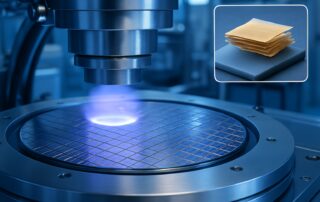
Nature Materials spotlights ultrathin van der Waals hard masks for 3D chip etching
Nature Materials on April 16, 2026 highlighted ultrathin van der Waals metal oxyhalides as robust hard masks for three-dimensional semiconductor processing, a materials advance aimed at sharper nanopatterning and more resilient plasma etching.