
Graphene Uses in 6G Phones: How Graphene Enables the Next Wireless Generation
Graphene uses are poised to transform the mobile experience once the 6G network arrives. With expected operation at terahertz (THz) frequencies, ultra-low latency, and compact form-factors, 6G devices will demand materials that offer exceptional conductivity, flexibility, and thermal management. Graphene — one-atom-thin carbon — meets these criteria and is already under investigation for antenna metasurfaces, supercapacitors, and heat-dissipating components.
At Graphene Uses, we explore the most important uses of graphene for next-generation phones. From graphene-enabled THz antennas and on-chip optical data links to graphene supercapacitors complementing conventional batteries, here’s how graphene could power the 6G phone revolution.
What Is 6G and Why Graphene Matters
While 5G is still rolling out globally, research is underway for 6G — often discussed around sub-THz/THz operation, peak data rates far beyond today’s standards, and immersive applications such as holographic calls and ultra-reliable sensing. To handle these requirements, mobile devices must overcome constraints in power, heat, antenna size, and materials. Graphene’s high carrier mobility, mechanical flexibility, and superior thermal conductivity make it a strong candidate for these design breakthroughs. For fundamentals, see What Is Graphene?
Graphene Uses in 6G Phone Antennas & Metasurfaces
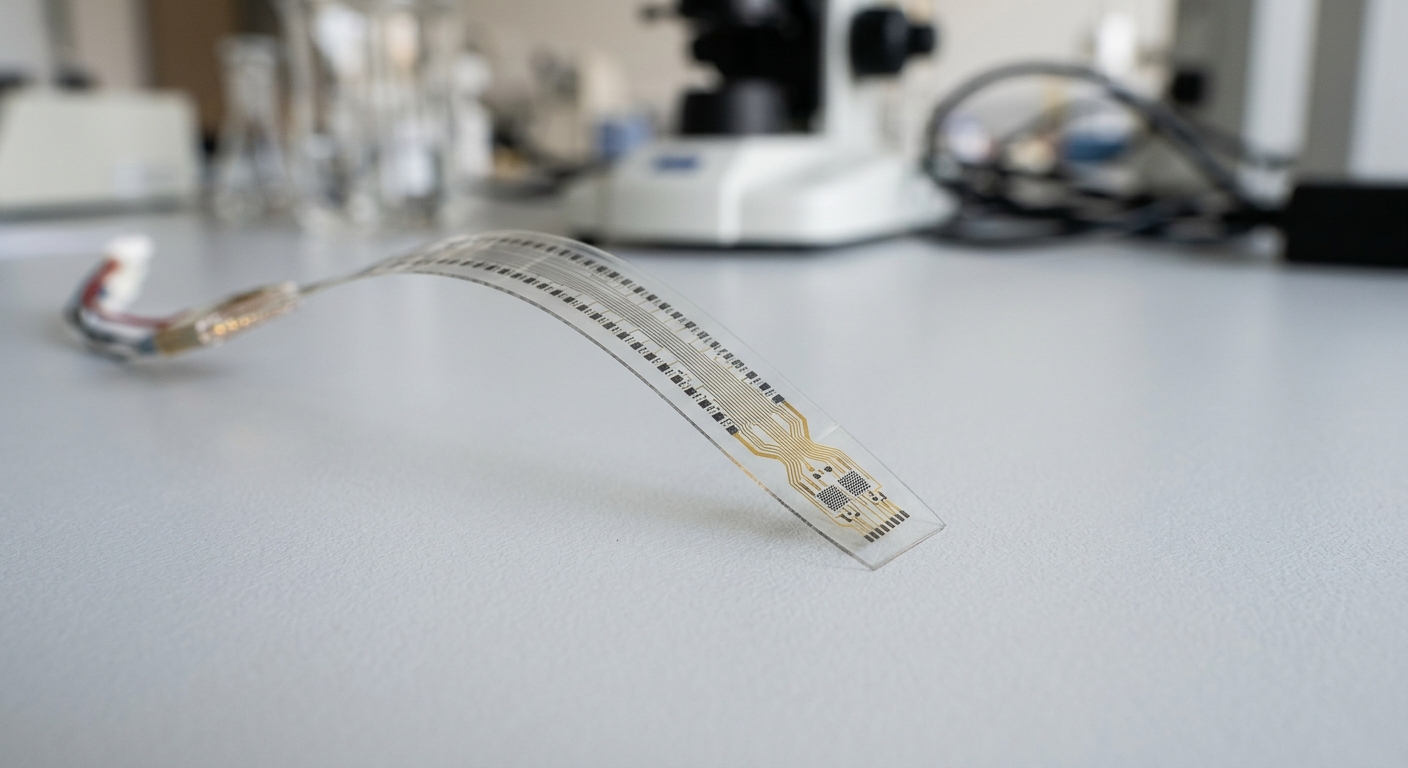
Graphene enables ultra-thin, tunable metasurfaces and plasmonic antennas capable of operating at terahertz frequencies. These graphene-based structures can be embedded into phone bodies, help shrink antenna size, and dynamically adapt band coverage. Researchers anticipate graphene metasurfaces could enable on-chip beamforming, reconfigurable radiation patterns, and reduced energy loss — key attributes for compact 6G devices.
Graphene Supercapacitors: Power and Thermal Advantages
As phones become thinner but more powerful, energy storage and heat dissipation are major constraints. Graphene supercapacitors offer high power density, rapid charge/discharge, and long cycle life. Combined with graphene heat spreaders and thermal interfaces, they can help 6G phones sustain performance without excessive bulk or overheating. Learn more in our article on graphene batteries.
Graphene Uses in Manufacturing & Materials
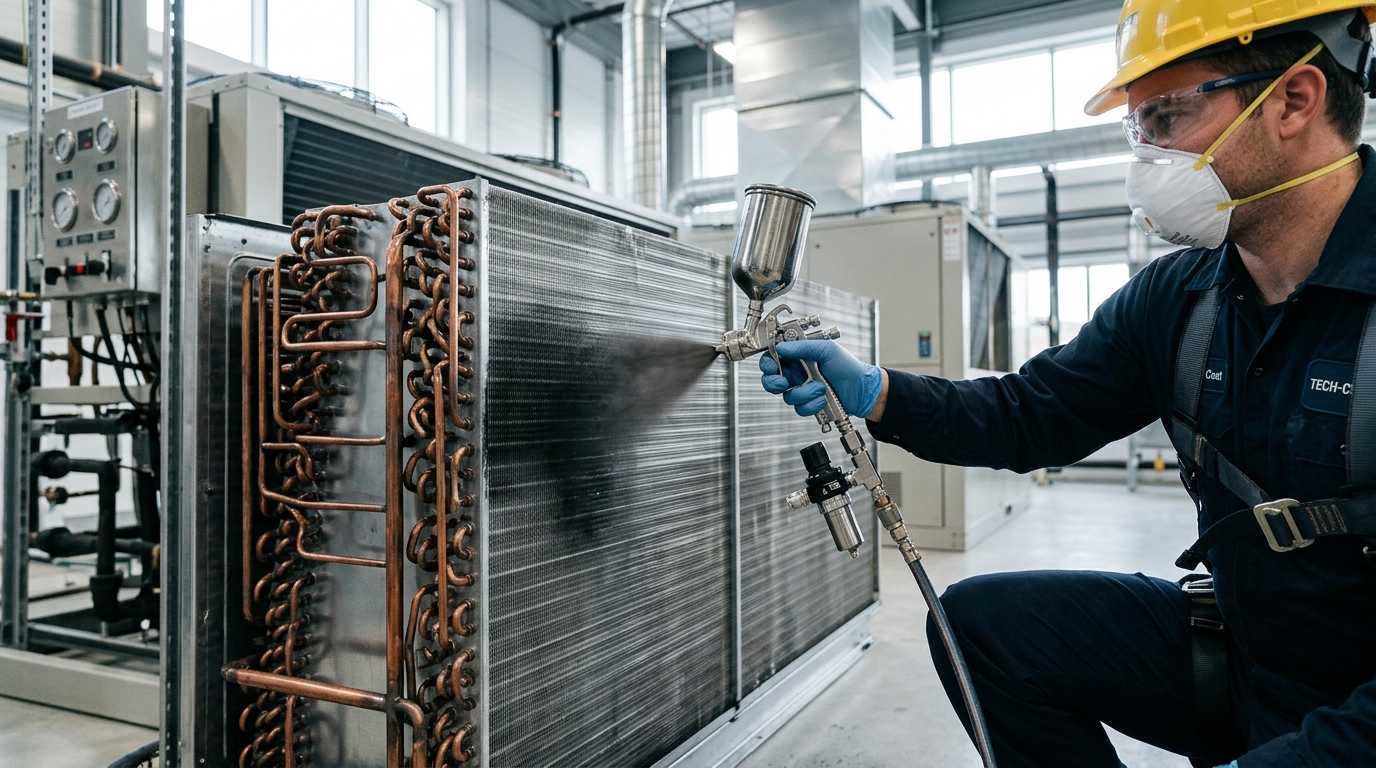
Graphene finds use in structural and functional components: conductive inks for flexible circuits, graphene coatings for corrosion resistance, and graphene composites for lightweight yet strong phone chassis. These advances support sleeker 6G phones without sacrificing durability or performance.
Timeline & Challenges for Graphene-Based 6G Phones
- 6G research & standardisation: mid-2020s through early 2030s.
- Graphene integration in consumer electronics: prototypes in early 2020s; broader adoption depends on cost, yield, and manufacturing scale.
- Key challenges: large-scale graphene production, device integration, thermal management, reliability, and regulatory certification.
Frequently Asked Questions
What is a graphene 6G phone?
A graphene 6G phone is a next-gen device that integrates graphene for THz antennas, power components, and heat management to meet the performance demands of 6G networks.
How can graphene improve 6G antennas?
Graphene enables ultra-thin, tunable metasurfaces and plasmonic antennas with low loss at high frequencies, allowing compact designs and reconfigurable beam steering for 6G.
Will graphene replace phone batteries?
Not immediately. Graphene supercapacitors can enhance power delivery and charging speed, but are more likely to complement — not fully replace — lithium-ion cells in the near term.
When might graphene-based 6G phones arrive?
Early prototypes exist, but mass-market adoption depends on 6G rollout and scalable graphene manufacturing — likely later in the 2020s into the 2030s.