Graphene Contact Lenses Could Turn Your Eyes Into Smart Health Sensors in 2026
In 2026, the world of contact lenses is rapidly shifting from simple vision correction into the next frontier of wearable health technology. Researchers and biomedical engineers are now using graphene contact lenses to create ultra-thin “smart lenses” capable of detecting biomarkers, monitoring chronic diseases, and potentially protecting the eye from modern digital strain.
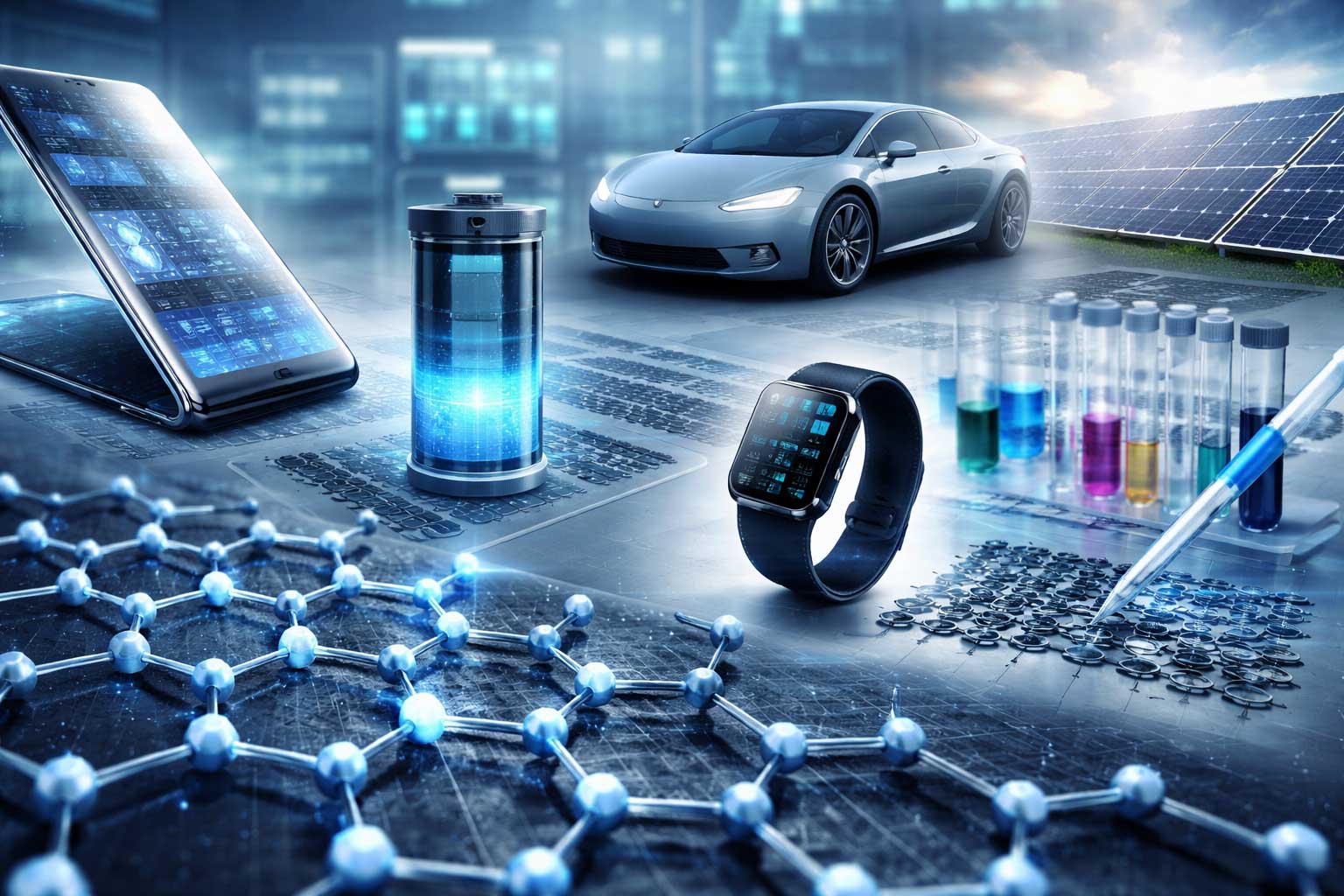
Graphene, a one-atom-thick sheet of carbon, is becoming the material that makes this transformation possible. It is nearly transparent, extremely conductive, flexible, and strong—allowing advanced sensors to be embedded inside a contact lens without sacrificing comfort or visibility.
What Are Graphene Contact Lenses?
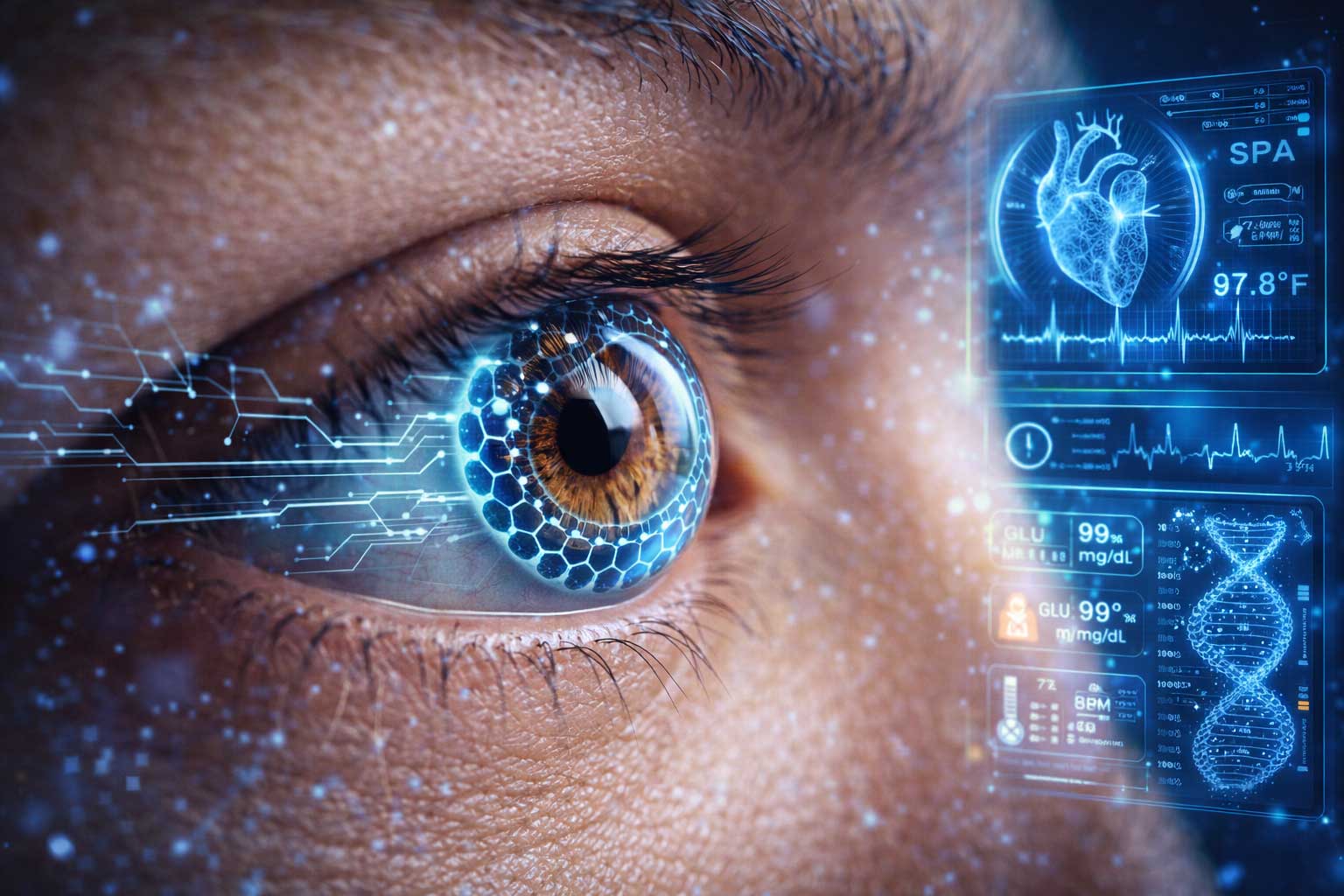
Graphene contact lenses are next-generation lenses that include a microscopic graphene layer or graphene-based electronics. Instead of functioning only as corrective eyewear, these lenses are designed to perform real-time biosensing by analyzing the chemistry of human tears.
The key advantage is that tear fluid contains biomarkers that reflect changes in the body, including glucose levels, inflammation signals, and oxidative stress markers. With graphene’s electrical sensitivity, these signals can be detected without invasive blood sampling.
Why Graphene Is the Perfect Material for Smart Contact Lenses
Most traditional smart contact lens concepts failed in earlier years because electronics were too bulky, too rigid, or unsafe for prolonged contact with the eye. Graphene has changed that equation.
Graphene’s unique properties allow it to function as a transparent electrical conductor, meaning sensors can be placed inside the lens while still allowing light to pass through normally.
Key graphene advantages include:
- Extreme transparency (ideal for vision-based wearables)
- High conductivity for biosensors and signal transmission
- Flexibility that matches the natural curve of the eye
- High surface sensitivity for detecting tiny chemical changes
- Durability despite being nearly weightless
How Graphene Contact Lenses Work
The technology inside graphene contact lenses is built around biosensing electronics and chemical interaction. In most designs, graphene is used as a sensor layer that changes its electrical properties when exposed to specific molecules.
The Biosensing Layer
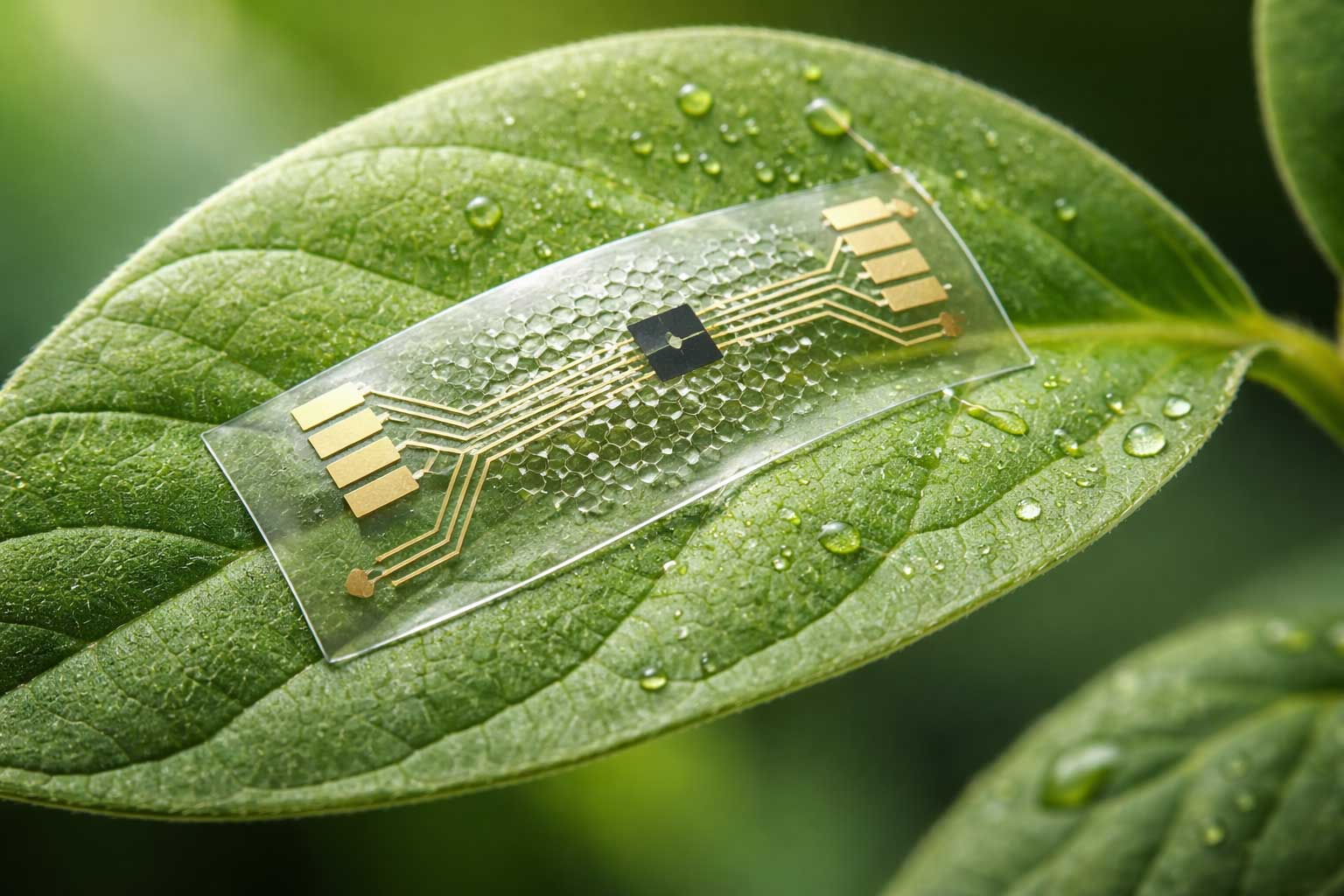
One of the most advanced designs involves graphene field-effect transistors (FETs). These miniature sensors detect biomolecules in tear fluid and convert them into measurable electrical signals.
When certain biomarkers bind to the graphene surface, the electrical conductivity changes. That change can be measured and translated into real-time medical data.
Wireless Data Transmission
Most graphene smart lens prototypes are designed to send data wirelessly to an external receiver. In the near future, this could mean health monitoring directly connected to smartphones, smart glasses, or hospital monitoring systems.
The goal is to provide continuous data without requiring the user to do anything other than wear the lens.
Top Medical Uses of Graphene Contact Lenses in 2026
While graphene smart lenses are still largely in the clinical development stage, researchers in 2026 are focusing on three major healthcare applications that could change how doctors detect and treat disease.
1. Glucose Monitoring for Diabetes
The most anticipated breakthrough is graphene-based glucose monitoring. Scientists are experimenting with graphene sensors coated in enzymes such as glucose oxidase, allowing the lens to detect glucose levels in tear fluid.
If commercialized, this would allow diabetics to monitor blood sugar trends without finger-prick testing. For millions of people worldwide, graphene contact lenses could represent the end of painful daily glucose checks.
2. Glaucoma Monitoring Through Intraocular Pressure (IOP)
Glaucoma remains one of the leading causes of irreversible blindness, largely because it often develops silently until vision loss becomes permanent.
Graphene lenses can potentially include micro-pressure sensors that monitor intraocular pressure (IOP) continuously. Instead of checking pressure only during occasional eye exams, patients could receive real-time alerts when pressure becomes dangerous.
This would allow doctors to detect early warning patterns and prevent progression long before permanent damage occurs.
3. Artificial Iris and Light-Adaptive Vision Control
Another emerging concept in 2026 is the development of smart lenses that act as an “artificial iris.” Using liquid crystal technology paired with graphene electronics, these lenses could automatically adjust to light intensity.
This technology could benefit patients with iris disorders, light sensitivity, or post-surgical eye conditions where natural pupil response is damaged.
Graphene Contact Lenses and Dry Eye Relief
Beyond diagnostics, graphene is being studied for its ability to improve moisture retention. Because graphene is naturally gas-impermeable, it may act as a barrier that slows tear evaporation.
For people suffering from chronic dry eye syndrome, this could become one of the most valuable everyday uses. Researchers believe graphene-based coatings may offer longer-lasting hydration than conventional silicone hydrogel lenses.
If proven safe and scalable, graphene could help create lenses that feel comfortable for longer periods and reduce the need for constant eye drops.
Do Graphene Contact Lenses Protect Against EMI Radiation?
Some researchers are also exploring graphene’s ability to absorb and dissipate electromagnetic interference (EMI). In theory, graphene can absorb a significant amount of electromagnetic energy and convert it into harmless heat.
This has led to speculation that future graphene lenses could act as a protective shield against long-term exposure to digital device radiation from smartphones, laptops, and wireless electronics.
While this concept is still under research, the idea has gained attention in 2026 as screen exposure reaches record levels worldwide.
Are Graphene Contact Lenses Available Yet?
As of 2026, graphene contact lenses remain mostly in the advanced research and clinical trial phase. While several companies and university labs have demonstrated functional prototypes, widespread commercial availability has not yet arrived.
However, experts believe glaucoma monitoring lenses will likely be the first to reach regulated medical markets, since their value in preventing blindness is highly measurable and clinically urgent.
Consumer-focused versions, such as dry eye enhancement or EMI shielding lenses, may arrive later once medical-grade models prove safety and manufacturing reliability.
Market Outlook for Graphene Smart Lenses
The smart contact lens market is projected to expand rapidly through 2026 and beyond. Analysts expect the sector to grow as healthcare moves toward real-time monitoring, early detection, and personalized medicine.
Graphene is expected to play a central role because it offers the best balance of transparency, conductivity, and flexibility—three traits that traditional electronics cannot easily combine.
Final Takeaway
Graphene contact lenses are quickly becoming one of the most exciting biomedical innovations of 2026. With the ability to detect tear biomarkers, monitor glucose, track glaucoma pressure, and potentially improve dry eye comfort, these smart lenses could transform everyday eyewear into a wearable diagnostic lab.
Although most products are still under clinical development, the trajectory is clear: graphene is pushing contact lenses beyond vision correction and into the future of healthcare.
Frequently Asked Questions (FAQ)
What are graphene contact lenses used for?
Graphene contact lenses are being developed for glucose monitoring, glaucoma pressure tracking, dry eye relief, and light-adaptive vision control through biosensing technology.
Can graphene contact lenses detect diabetes?
Graphene lenses may be able to monitor glucose levels in tear fluid, offering a non-invasive alternative to traditional blood sugar testing for diabetics.
Are graphene contact lenses safe?
As of 2026, graphene contact lenses are still in development and clinical testing, and long-term safety studies are ongoing before commercial rollout.
When will graphene smart contact lenses be available?
Most graphene smart lenses are not widely available yet, but glaucoma monitoring lenses are expected to lead the first major commercial releases in the near future.
Can graphene contact lenses prevent dry eye?
Graphene coatings may help slow tear evaporation and improve moisture retention, potentially reducing symptoms of chronic dry eye.
Do graphene lenses block radiation from screens?
Some researchers are exploring graphene’s EMI shielding potential, but this feature is still experimental and not yet confirmed for consumer products.