What Is Graphene Coating in 2026? Science, Benefits & Applications Explained
"Graphene coating" is a modern protective coating category popular in car detailing and surface protection. It's marketed for slickness, gloss, hydrophobic behavior,
and easier maintenance—especially around dust attraction and water spotting.
This 2026-ready guide explains what graphene coatings are (and what they are not), how they work, how they compare to ceramic (SiO2) coatings, where they're used,
what benefits are realistic, and what to check before buying or installing one.
Last updated: • 9–12 min read • Not financial advice
Definition: What Is a Graphene Coating?
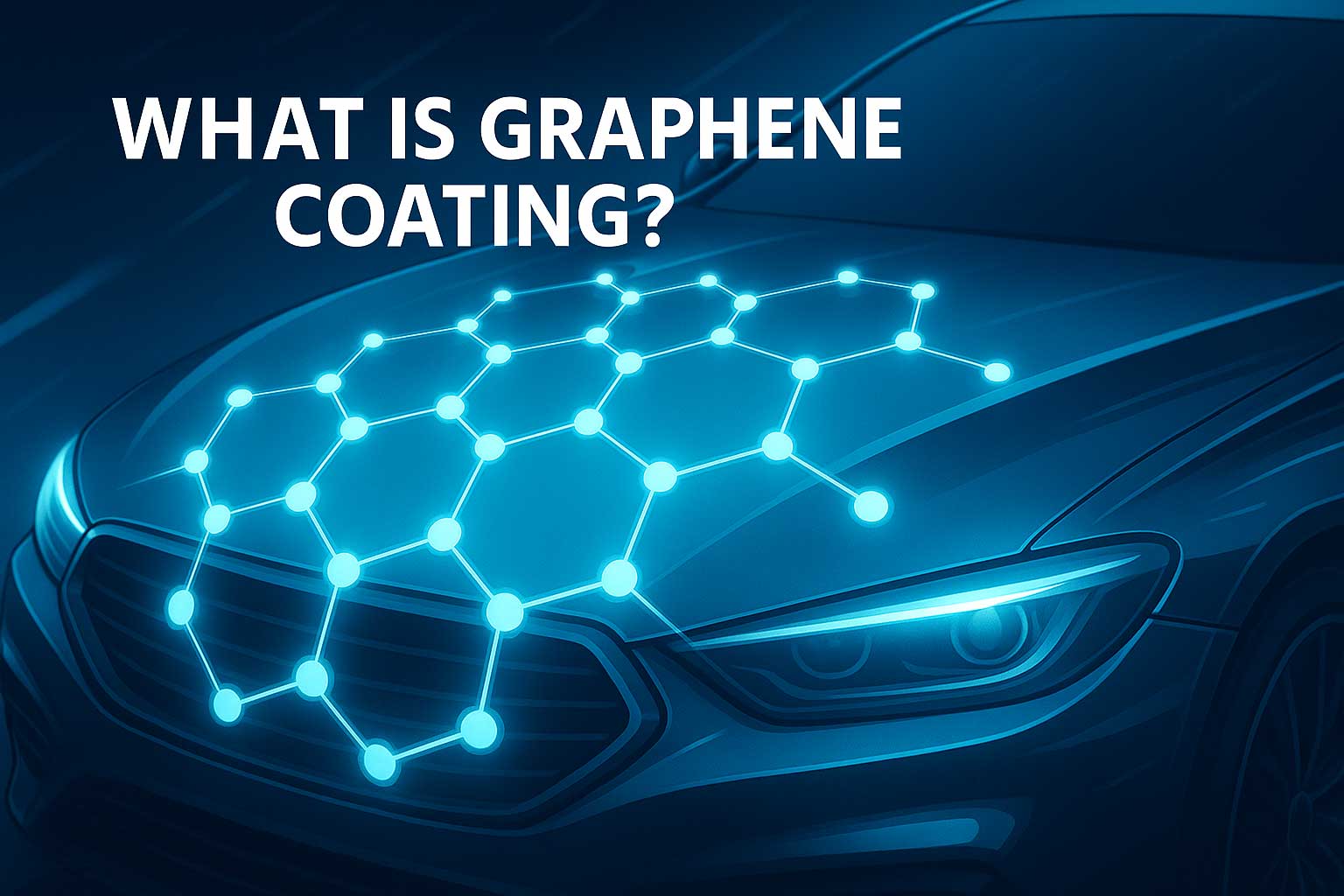
A graphene coating is a surface-protection coating marketed as incorporating graphene (or graphene-related carbon additives) into a modern coating system.
In automotive detailing, it's commonly positioned as an alternative or upgrade to ceramic (SiO2) coatings, aiming to improve surface slickness, reduce dust attraction,
and help with water-spot behavior while still offering strong gloss and chemical resistance.
Important reality check: in consumer and detailing markets, many "graphene" products are still based on familiar coating chemistry families (often silica-based),
with graphene-claim additives blended in. That's why the best comparison is always performance + maintenance, not the label on the bottle.
Composition & Structure: What's Actually on the Surface?
Graphene as a material vs. graphene in a coating
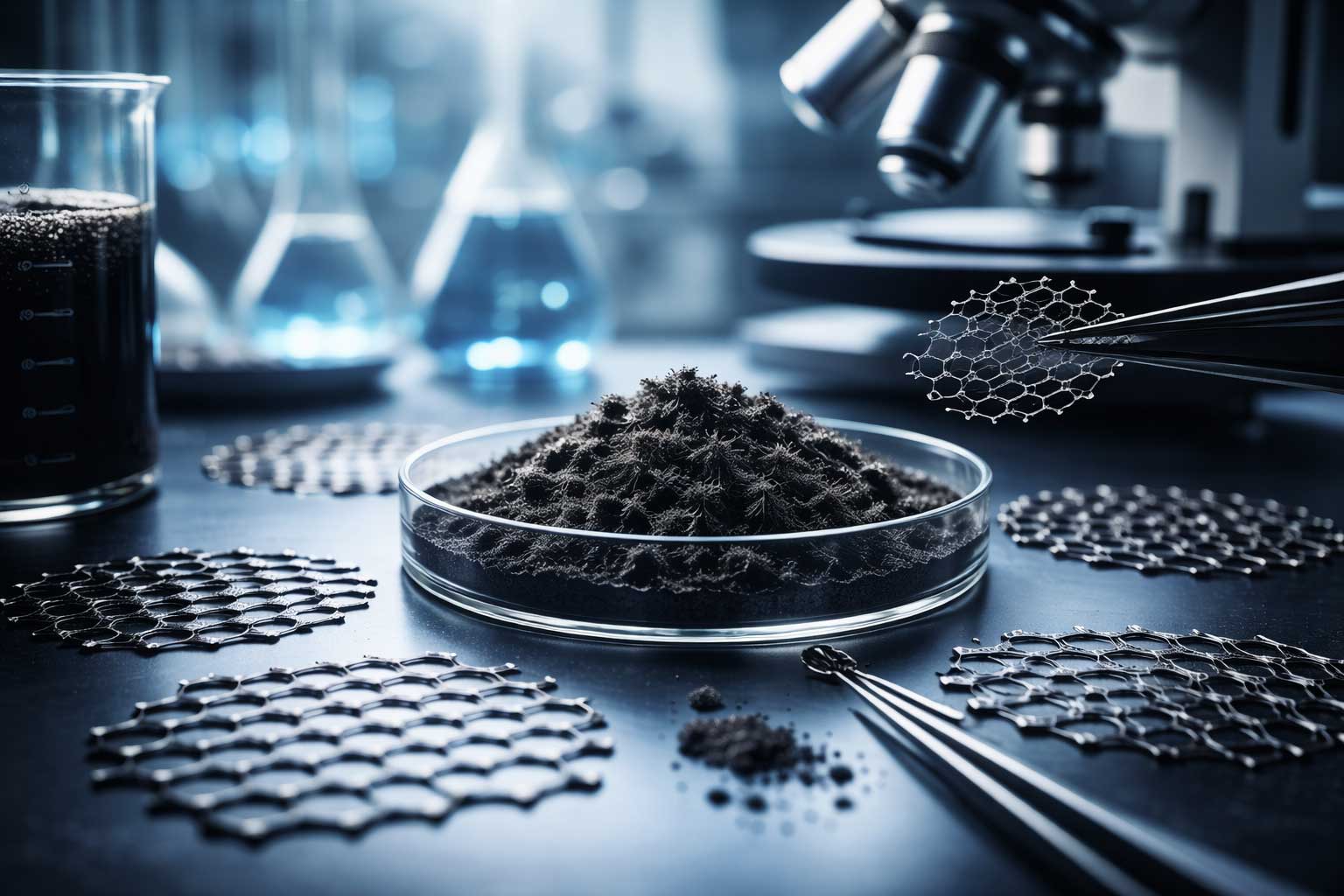
Graphene is a one-atom-thick carbon lattice known for exceptional mechanical strength and very high electrical/thermal conductivity. But a "graphene coating" on a car
is not a freestanding sheet of pure graphene. Instead, it's a thin coating layer where the product chemistry is engineered to bond to paint/clear coat and deliver
protective surface behavior.
How graphene is typically "added"
In many consumer products, graphene is described as an additive (often in nanoparticle or "graphene-derived" form). The intention is to influence surface properties
(such as slickness and contamination behavior) while the underlying coating matrix provides the core durability and bonding.
Why this matters for buyers
Two products can both say "graphene" and perform very differently. What you want to evaluate is: durability in your climate, wash behavior, resistance to contamination,
and whether the coating remains easy to maintain over time.
Key Properties: What Graphene Coatings Are Known For
1) Hydrophobic / self-cleaning behavior
Like ceramic coatings, graphene coatings aim to make water bead or sheet away and reduce how strongly grime bonds to the surface.
That generally means easier washing and a "cleaner for longer" look between washes.
2) Gloss and slickness
Graphene products are often marketed for a deep, glassy finish and very slick feel. In real life, the biggest contributor to appearance is still
paint correction and prep. A coating can enhance gloss, but it won't "fix" swirls that are already on the paint.
3) Anti-static positioning (dust attraction)
Many graphene-coating brands position graphene as helping reduce static charge on the surface, which can mean less dust attraction and a car that looks cleaner longer.
This anti-static + hydrophobic combo is also frequently tied to claims about reduced water spotting between washes. :contentReference[oaicite:0]
4) Water spotting (what's realistic)
Some brands and installers say graphene coatings can be less prone to water spotting. :contentReference[oaicite:1]
Still, water spots are heavily influenced by hard water minerals, heat, sun exposure, and drying habits. Even the best coating benefits from proper wash-and-dry technique.
5) Heat and thermal behavior (be careful with marketing numbers)
Graphene materials can improve thermal conductivity in engineered coatings in research settings. :contentReference[oaicite:2]
In car-detailing marketing, you may see extreme "temperature resistance" numbers. Treat those as product-specific claims rather than a universal graphene property for every coating.
For practical buyers, focus on whether the coating reduces maintenance headaches and holds up under your local conditions.
Production & Processing: How Graphene Coatings Are Made and Applied
How coatings are formulated
Coatings are designed to bond to a surface and form a thin protective layer. Graphene-labeled products vary widely: some emphasize slickness and maintenance,
while others emphasize durability claims and warranty programs. The actual "graphene content" and form may not be disclosed in consumer products.
Prep is the true performance multiplier
No coating performs well on a poorly prepared surface. Proper prep typically includes:
thorough washing, chemical decontamination, and paint correction if needed. If swirls or haze are present before coating, they'll be sealed in until the coating is polished off.
Application basics
Most coatings are applied in small sections, allowed to "flash" (briefly set), and then leveled/buffed carefully.
Professional installation often delivers more consistent results because installers control lighting, temperature, leveling technique, and cure time.
Cure time and maintenance
Cure times vary by product. Many systems recommend keeping the surface dry for a day or more after application and following a maintenance routine
(safe washing, periodic decontamination, and compatible boosters if recommended).
Applications and Use Cases
Automotive detailing (most common consumer use)
For daily drivers, the practical win is easier washing and a surface that looks better between washes. For enthusiasts,
the benefits are gloss, slickness, and long-term paint protection—especially when paired with proper prep and good wash technique.
Marine and powersports
Boats, motorcycles, and off-road vehicles deal with harsh contaminants, UV exposure, and frequent washing. Coatings can reduce oxidation risk and make cleanup easier,
but durability depends on environment and maintenance.
Industrial and research coatings
In technical materials research, graphene-enhanced coatings can target specialized functions like improved thermal behavior or wear characteristics. :contentReference[oaicite:3]
These are not always the same as consumer car-care coatings, but they show why graphene additives remain of interest.
Electronics and specialty surfaces
Anti-static behavior and corrosion resistance are commonly discussed in graphene-coating contexts. The relevance depends on the exact formulation and requirements.
For consumer buyers, it's best to choose coatings based on verified outcomes rather than broad "graphene does everything" expectations.
Advantages of Graphene Coatings
- Easy maintenance: strong water behavior can make routine washing faster and safer.
- Slick feel and gloss: many users choose graphene products for their "smooth" finish and visual pop.
- Anti-static positioning: often marketed for reduced dust attraction and fewer water-spot issues between washes. :contentReference[oaicite:4]
- Strong durability claims: many graphene coating packages claim multi-year protection, but real outcomes depend on prep and maintenance. :contentReference[oaicite:5]
Limitations, Challenges & Common Myths
- Not scratch-proof: coatings reduce marring risk by making cleaning safer, but bad washing can still create swirls.
- Marketing varies wildly: "graphene" on the label doesn't guarantee superior performance vs a great ceramic system.
- Water spots are not "solved": hard water + heat + sun + slow drying can still create spots; technique matters.
- Durability is context-dependent: climate, washing habits, storage, and contamination levels can shorten lifespan.
- Installer skill matters: high spots and streaks can occur if leveling is imperfect—professional install reduces risk.
Safety, Ethical & Environmental Notes
Safety during application
Many coatings contain solvents and should be applied with ventilation and protective gear (gloves, respirator if recommended).
Always follow the product's safety data and instructions, and keep coatings away from children and pets.
Ethical claims to watch
Be skeptical of absolute claims like "7+ years for everyone" or "water spots will never happen." Even ceramic coating lifespans are typically presented as multi-year
ranges that depend on maintenance. :contentReference[oaicite:6]
A trustworthy installer will explain what's realistic for your environment and wash routine.
Environmental considerations
A durable coating can reduce the frequency of polishing and aggressive cleaning over a car's lifetime, which may reduce chemical usage overall.
However, solvents and applicators still require responsible handling and disposal.
Future Outlook (2026–2030)
The next wave is likely hybrid coatings: combining mature ceramic coating chemistry with targeted additives and maintenance systems that improve real-world usability.
Expect clearer differentiation between quick "spray sealants" and true long-term coatings, plus more emphasis on installer training and measurable results.
Graphene will probably remain a strong marketing term, but consumer value will increasingly be decided by practical outcomes:
easier maintenance, consistent behavior over time, and verified durability in real climates—not just brochure numbers.
Frequently Asked Questions
- Is graphene coating better than ceramic coating?
-
Sometimes. Graphene coatings are often marketed for anti-static behavior and reduced water spotting, while ceramic coatings are a mature, proven category.
The better choice depends on product quality, installer skill, and your climate/wash routine—not the label alone. :contentReference[oaicite:7] - How long does graphene coating last?
- Many installers and brands claim multi-year protection, often in the 5–7 year range under good conditions, but real-world durability varies with prep and maintenance. :contentReference[oaicite:8]
- How long does ceramic coating last?
- Professional ceramic coatings are commonly described as lasting around 2–5 years with proper care (sometimes longer with ideal maintenance), while DIY products often last less. :contentReference[oaicite:9]
- Can I apply a graphene coating myself?
- Yes—DIY products exist. But prep and leveling are critical, and mistakes can leave streaks/high spots. If you want the most consistent result, professional installation is usually safer.
- Does graphene coating prevent scratches?
- It helps reduce light marring by making washing easier and safer, but it doesn't make paint scratch-proof. Safe wash technique still matters.
- Does graphene coating stop water spots completely?
- No coating can guarantee zero water spots. Graphene products are often marketed as helping reduce spotting, but hard water minerals and hot sun can still create deposits if water dries on the surface. :contentReference[oaicite:10]