
What Is a Graphene Heater and Why It’s Trending in 2026
In 2026, the home heating industry is experiencing a major upgrade as graphene heaters become one of the fastest-growing alternatives to traditional electric space heaters, radiators, and forced-air systems. Instead of using bulky metal coils or copper wiring, graphene heating technology relies on an ultra-thin carbon layer that produces heat almost instantly and distributes it evenly across a surface.
With energy prices rising in many parts of the United States, graphene heaters are now being marketed as a premium solution for people who want lower heating costs, faster warmth, and a cleaner indoor heating experience.
What Is a Graphene Heater?
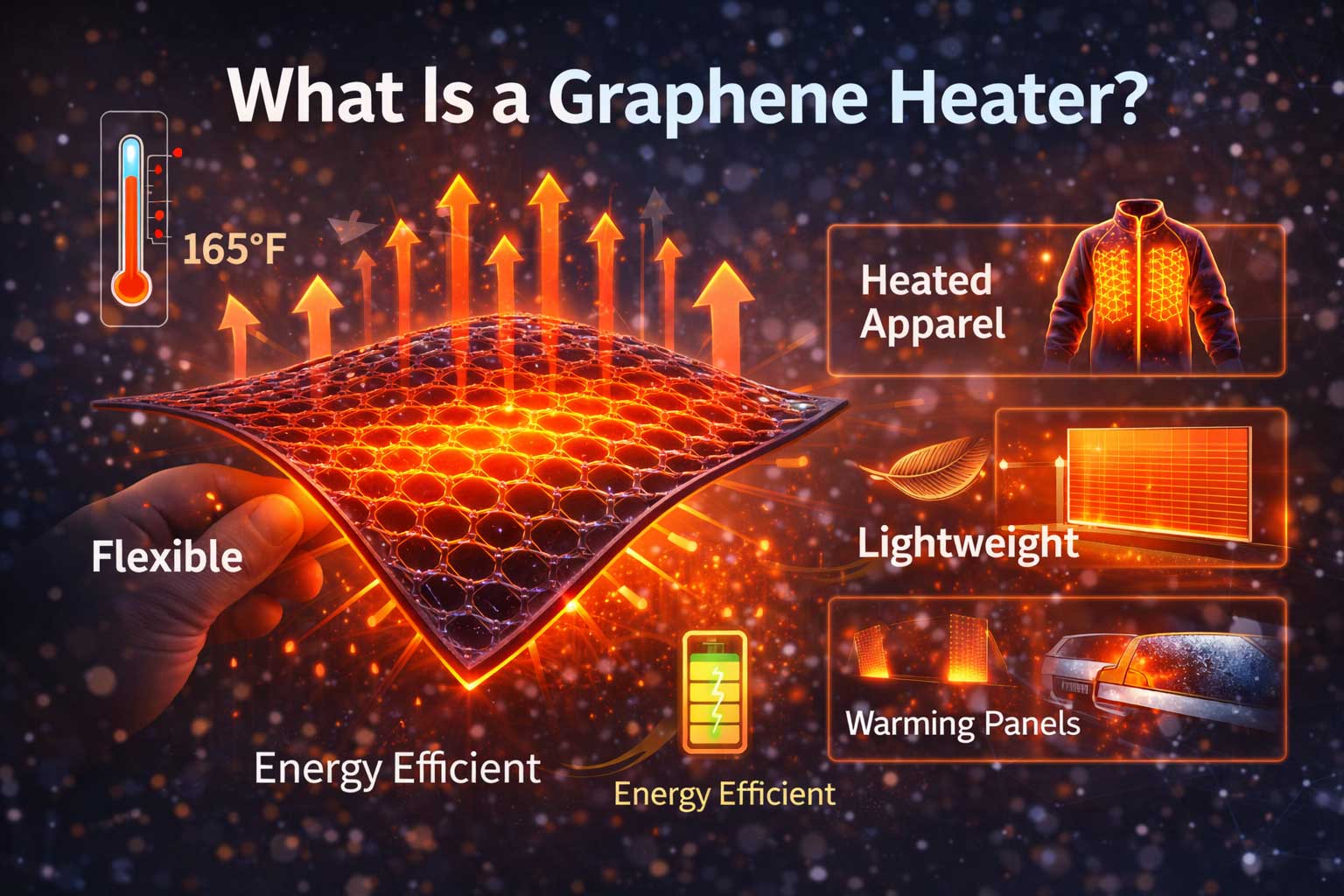
A graphene heater is a heating system that uses graphene—an ultra-thin form of carbon arranged in a hexagonal structure—to convert electricity into heat. Graphene is famous for its incredible conductivity, flexibility, and strength, which makes it ideal for modern heating designs.
Unlike traditional heaters that rely on thick metal heating elements, graphene heaters often come in the form of:
- Flexible heating films
- Underfloor heating sheets
- Heating pads and blankets
- Wearable heated clothing
- Wall-mounted heating panels
- Graphene heating paint coatings
Because graphene can be manufactured as a paper-thin layer, many of these heaters are nearly invisible once installed.
How Does a Graphene Heater Work?
Graphene heaters work using the Joule heating effect, which is the process of converting electrical energy into thermal energy when current flows through a resistive material.
Graphene excels at this because it can generate heat rapidly and evenly across its entire surface. When electricity passes through graphene, the carbon atoms vibrate and release thermal energy almost immediately.
Noise to Heat in Seconds
Most graphene heating systems can begin producing noticeable warmth in as little as 1 to 5 seconds, which is significantly faster than many traditional electric heaters.
The Far-Infrared Advantage
One of the most important reasons graphene heaters are trending in 2026 is that they often emit far-infrared (FIR) radiation.
Instead of primarily heating the air, FIR works by warming objects and people directly—similar to the feeling of sunlight on your skin.
This makes graphene heating more efficient because less energy is wasted warming empty space.
Graphene Heater vs Traditional Electric Heater
Graphene heating systems are often compared to standard space heaters, radiators, or wire-based electric mats. Here’s how they typically stack up:
Why Graphene Heaters Are Popular in 2026
Graphene heaters are not brand-new, but in 2026 they have become mainstream due to improved manufacturing, lower pricing, and better smart-home compatibility.
1. Faster Heating With Less Energy Waste
Because graphene heaters can warm up nearly instantly, they reduce the amount of time a heater needs to stay running. Many homeowners report that graphene heating systems can reduce heating costs compared to older electric heaters, especially when used as targeted zone heating.
2. Ultra-Thin Design for Modern Homes
Graphene heating films are often less than 1 millimeter thick. This makes them ideal for:
- Bathroom underfloor heating
- Luxury apartment renovations
- Modern minimalist home designs
- Smart home upgrades with hidden heating
3. Health and Wellness Appeal
Far-infrared heat is widely marketed as a wellness feature. Many consumers in 2026 prefer FIR heating because it can feel less harsh than forced air systems that dry out indoor humidity.
Graphene heaters are also quieter and may reduce dust circulation compared to air-blowing heaters.
4. Smart Controls and USB-C Compatibility
Many modern graphene heaters now include:
- Smart thermostats
- Phone-based temperature control apps
- USB-powered wearable designs
- Automatic shutoff safety features
This makes them especially popular among younger consumers who want heating that works like a smart gadget instead of an old appliance.
The Biggest Graphene Heating Innovation of 2026: Heating Paint
One of the most futuristic breakthroughs in 2026 is the development of graphene heating paint. This technology allows walls, ceilings, or panels to act as heating surfaces once connected to a power source.
Instead of installing radiators or floor units, a homeowner could theoretically paint an interior wall with graphene-based conductive paint and turn that wall into a low-voltage infrared heater.
Experts say this technology could become a major trend in energy-efficient architecture, especially in Europe and high-end US home renovations.
Are Graphene Heaters Safe?
In general, graphene heaters are considered safe when installed and used properly, especially because many systems operate at low voltage. The even heat distribution also reduces the risk of overheating hot spots compared to wire-based systems.
However, safety depends heavily on product quality. Homeowners should still look for:
- Certified electrical safety ratings
- Overheat protection
- Proper insulation under flooring
- Professional installation for whole-home systems
If you are installing graphene underfloor heating, it is strongly recommended to use a licensed electrician for final wiring and thermostat integration.
Where Are Graphene Heaters Used?
Graphene heating is now being used across multiple industries. In 2026, the most common consumer uses include:
- Underfloor heating for bathrooms, kitchens, and bedrooms
- Graphene heated scarves and jackets for winter commuting
- Car seat warming layers for EV manufacturers
- Medical heating pads for arthritis and muscle recovery
- Portable home panels for apartment heating
Because graphene is lightweight and flexible, it is also being explored for future uses in aerospace and military cold-weather gear.
Final Takeaway
A graphene heater is one of the most advanced heating technologies available in 2026, offering faster heat-up times, better efficiency, and a modern ultra-thin design. Whether used in wearable winter gear or underfloor heating systems, graphene is quickly becoming the preferred material for premium heating upgrades.
As manufacturers continue lowering costs and improving durability, graphene heating is expected to become even more common in US homes, smart buildings, and next-generation wellness products.
Frequently Asked Questions (FAQ)
What is a graphene heater?
A graphene heater is a heating system that uses a thin graphene layer to convert electricity into heat, often producing far-infrared warmth with fast heat-up times.
Do graphene heaters save electricity?
Graphene heaters can be more efficient than traditional heaters because they warm up faster and often heat objects directly using infrared energy instead of wasting energy heating air.
How fast does graphene heating warm up?
Most graphene heaters begin producing warmth in about 1 to 5 seconds, depending on the power source and surface size.
What is graphene underfloor heating?
Graphene underfloor heating uses thin graphene heating films installed beneath tile, laminate, or engineered wood to provide even radiant heat without bulky wiring.
Is graphene heating safe for homes?
Yes, graphene heating systems are generally safe when properly installed and certified, often operating at low voltage and offering uniform heat without dangerous hot spots.
What is graphene heating paint?
Graphene heating paint is a conductive coating that can turn a wall or surface into an infrared heating panel when connected to an electrical power source.