Triphene vs Graphene: Which Is Better?
As research into advanced carbon materials expands, new graphene-related terms are appearing in scientific discussions and online marketing. One of the most common questions is whether triphene is better than graphene.
This article compares triphene and graphene from a scientific perspective, clarifying what triphene actually is, how it differs from graphene, and which material performs better in real-world applications.
What Is Triphene?
Triphene is a theoretical or emerging carbon-based molecular structure proposed in academic and experimental research. It is often described as a benzene-derived or polycyclic aromatic framework with unique electronic or structural characteristics.
Unlike graphene, triphene is not currently produced at scale and does not exist as a widely adopted industrial material. Most references to triphene appear in laboratory modeling, computational chemistry, or early-stage synthesis research.
What Is Graphene?
Graphene is a commercially researched and increasingly industrialized advanced material used in electronics, coatings, textiles, energy storage, and composites. Its performance depends on how it is manufactured and integrated into products rather than laboratory theory alone.
Graphene has moved beyond conceptual research into real-world deployment across multiple industries, supported by measurable mechanical, electrical, and thermal performance data.
Key Structural Differences
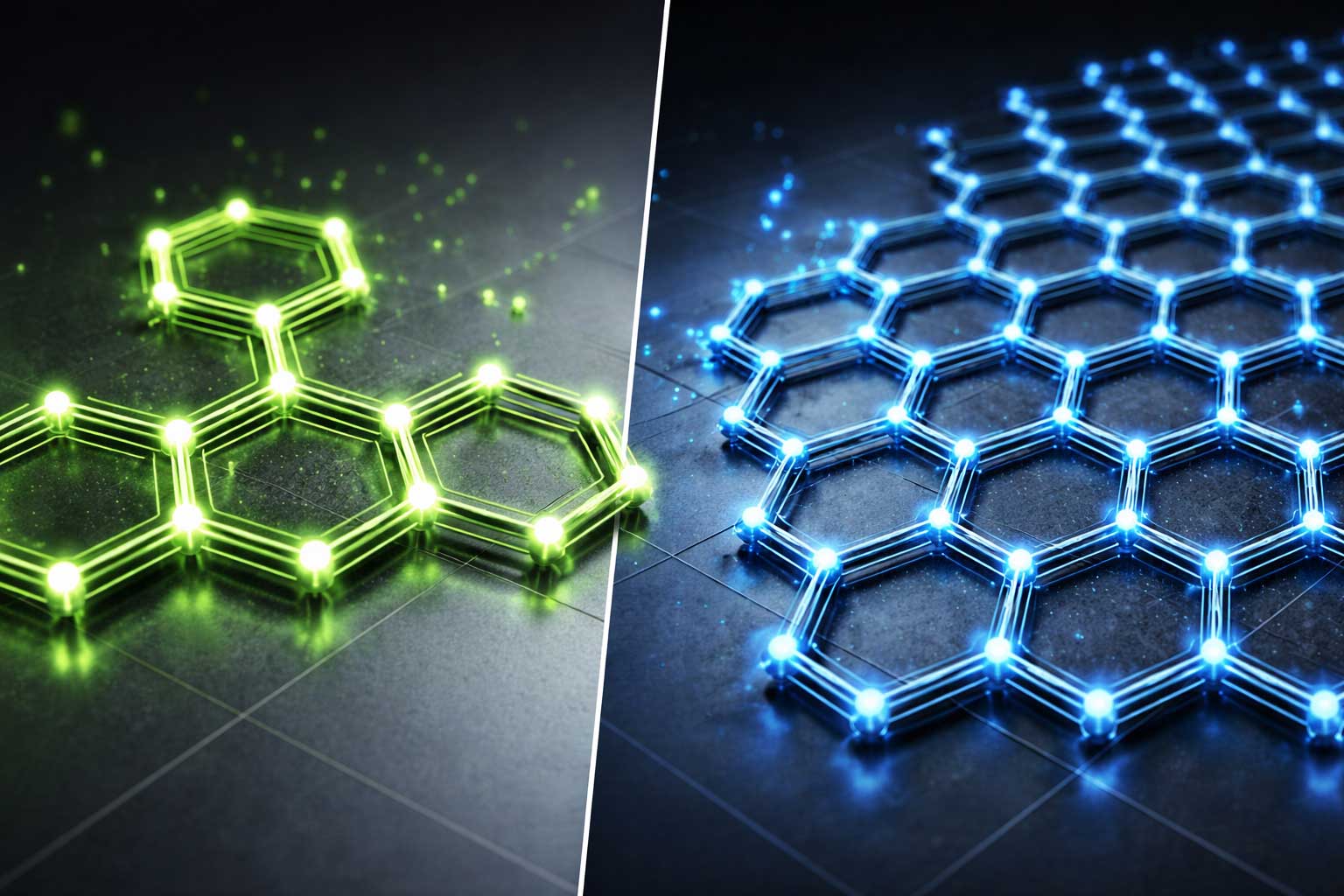
- Triphene: Primarily a molecular or theoretical structure studied at small scales
- Graphene: A scalable material platform integrated into composites, coatings, and devices
- Triphene: Limited experimental validation
- Graphene: Extensive laboratory, pilot, and commercial validation
Performance Comparison
At present, graphene outperforms triphene in every practical performance category simply because graphene can be produced, tested, and applied at meaningful scales.
While triphene may exhibit interesting electronic or molecular behaviors in simulations, those properties have not yet translated into usable materials, devices, or commercial products.
Scalability and Manufacturing
Scalability is one of the most important factors in determining whether a material is “better.” Graphene can be produced using multiple established methods and incorporated into industrial systems.
Triphene, by contrast, remains confined to experimental chemistry and has no known scalable manufacturing pathway suitable for industrial use.
Applications and Use Cases
Graphene is already used in:
- Protective coatings and corrosion resistance
- Energy storage and batteries
- Wearable and smart textiles
- Electronic and sensing devices
- Composite reinforcement
Triphene currently has no established commercial applications and remains a subject of exploratory research.
Limitations of Each Material
- Triphene: Lack of synthesis scalability, limited experimental validation
- Graphene: Manufacturing cost, consistency challenges, and quality variation
Which Is Better?
From a scientific and practical standpoint, graphene is clearly the better material today. It offers measurable performance, scalability, and real-world applications.
Triphene may prove valuable in future research contexts, but it is not currently comparable to graphene as a functional material.
Why the Comparison Exists
Many online comparisons arise from confusion between theoretical molecular research and applied materials science. Not all carbon-based structures are designed for the same purpose.
Graphene represents applied, scalable materials engineering, while triphene remains largely conceptual.
Future Outlook
Research into novel carbon structures like triphene contributes to fundamental scientific understanding. However, graphene is likely to remain dominant in practical applications for the foreseeable future.
Future breakthroughs could elevate new materials, but those developments must overcome scalability, durability, and manufacturing challenges before competing with graphene.
Frequently Asked Questions
Is triphene better than graphene?
No. Graphene is currently far more advanced, scalable, and useful in real-world applications.
Is triphene commercially available?
No. Triphene is primarily a research concept and is not commercially produced.
Why do people compare triphene to graphene?
The comparison often arises from theoretical research discussions or marketing misuse of scientific terms.
Could triphene replace graphene?
There is no evidence at present that triphene could replace graphene in industrial applications.
Is graphene still being improved?
Yes. Ongoing research continues to improve graphene production, consistency, and integration into products.