Who Opened the National Graphene Institute
The National Graphene Institute stands as one of the world’s most advanced research centers dedicated to graphene and two-dimensional materials. It represents a turning point in how a scientific discovery moves from the laboratory into real-world technology.
This article explores who officially opened the National Graphene Institute, why its opening mattered, and how it became a global landmark in advanced materials research.
Definition
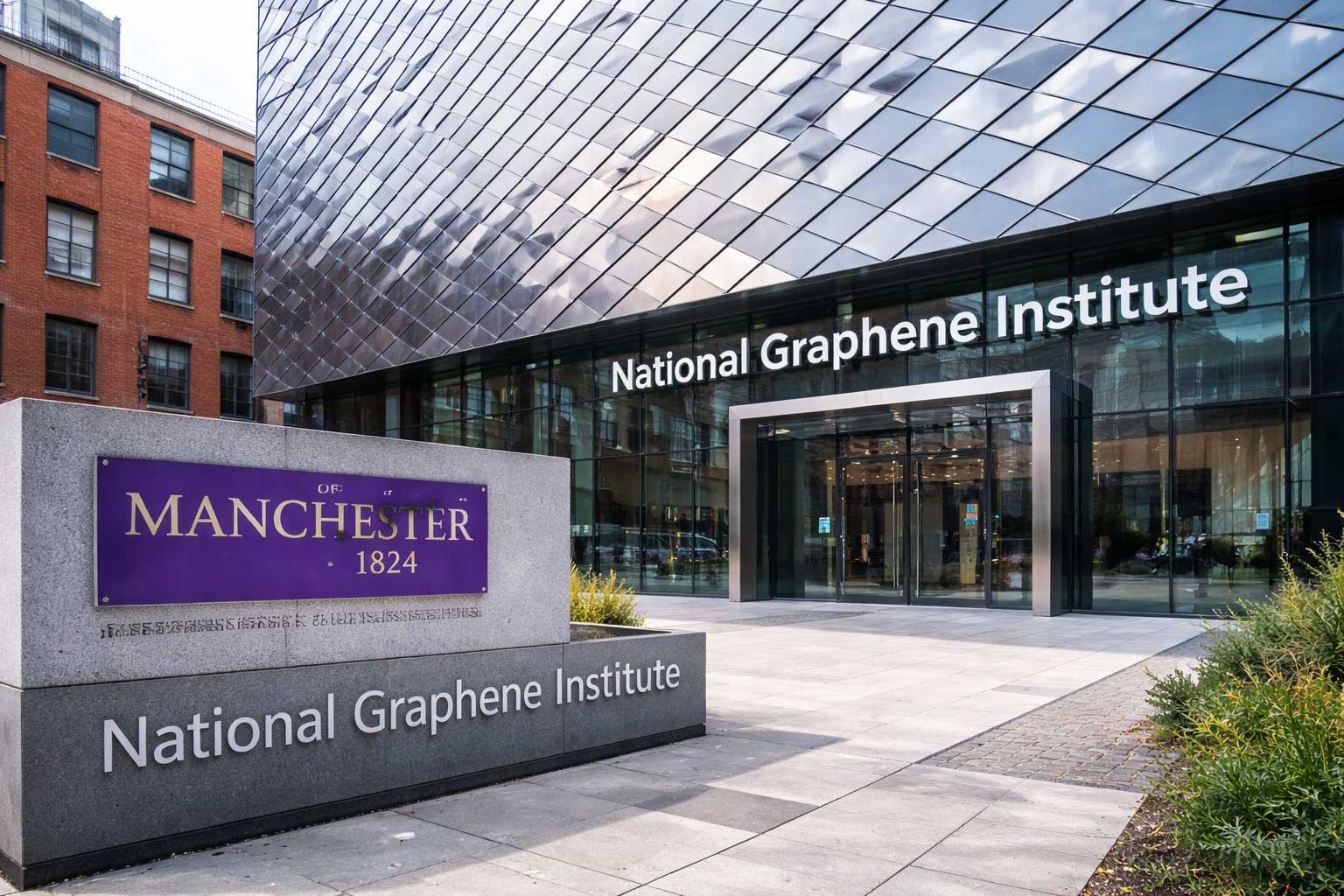
The National Graphene Institute (NGI) is a purpose-built research facility located at The University of Manchester in the United Kingdom. It was created to accelerate the development, testing, and commercialization of graphene and related two-dimensional materials by providing industry-grade laboratories, cleanrooms, and collaborative spaces under one roof.
Origins and Scientific Context
Graphene was first isolated at The University of Manchester in 2004 by physicists Andre Geim and Konstantin Novoselov. Their work revealed a single-atom-thick form of carbon with extraordinary strength, conductivity, and flexibility. The discovery transformed materials science and earned the pair the Nobel Prize in Physics in 2010.
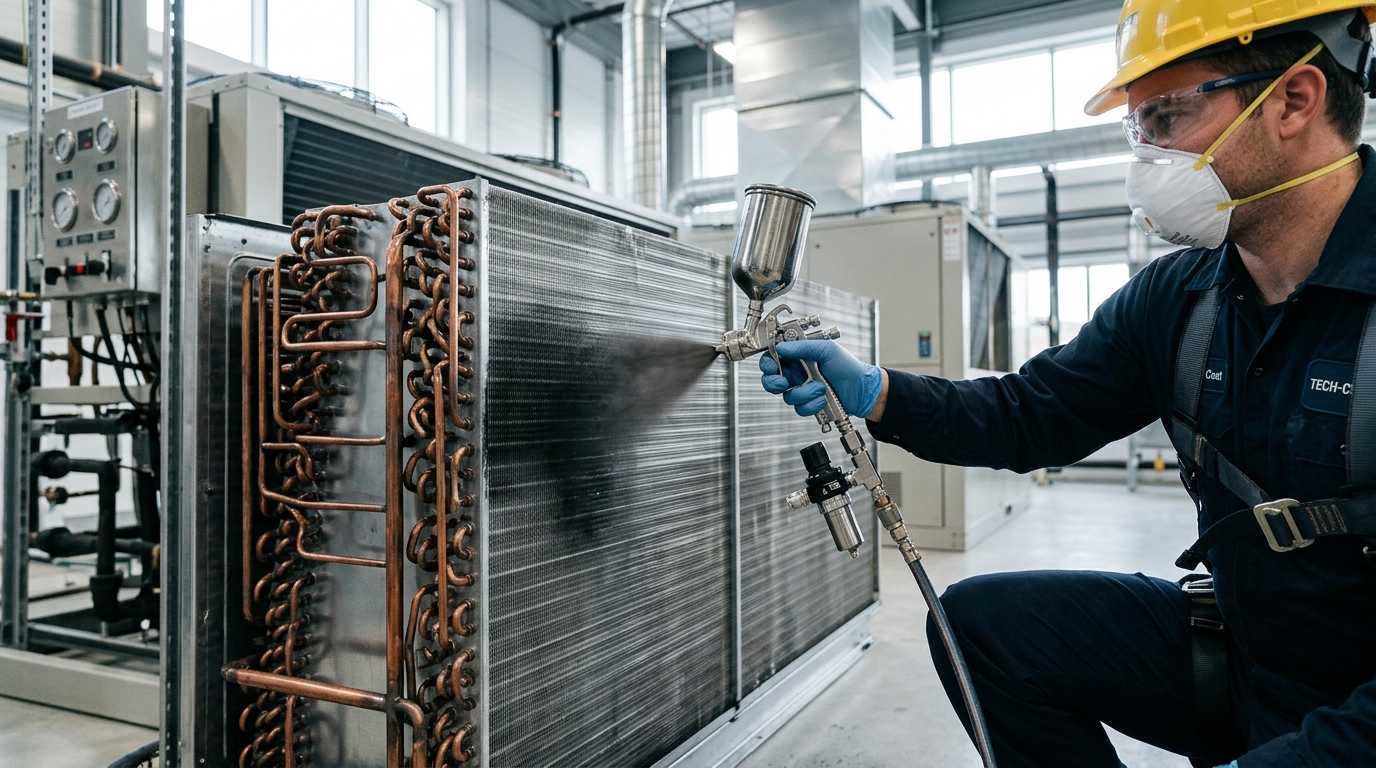
Following this breakthrough, the need emerged for a dedicated facility capable of bridging academic research and industrial application. Graphene showed promise across electronics, energy storage, healthcare, composites, and sensing technologies. A specialized institute was required to translate theory into scalable products.
Who Officially Opened the NGI?
The National Graphene Institute was officially opened on 20 March 2015 by the United Kingdom’s Chancellor of the Exchequer at the time, George Osborne. The ceremony marked the formal launch of the facility as a national and international hub for graphene innovation.
The opening symbolized a strategic commitment by the UK to lead in advanced materials. By involving the nation’s top financial authority, the event underscored that graphene was not merely an academic curiosity, but a cornerstone of future industrial growth.
Design and Construction
The NGI is a multi-storey research building designed specifically for nanomaterials science. It houses cleanrooms, laser laboratories, materials characterization suites, and shared innovation spaces. Every element of the structure is engineered to meet the environmental precision required for graphene research.
The building’s design reflects both scientific rigor and architectural ambition. It serves as a physical embodiment of Manchester’s transformation from an industrial-era city into a modern center of technological innovation.
Why the Opening Matters
The opening of the National Graphene Institute marked a shift in how scientific discovery is commercialized. Rather than separating academic and industrial environments, the NGI integrates them. Researchers, engineers, and companies work side by side, reducing the time between discovery and deployment.
This model enables rapid prototyping, testing, and iteration. It transforms graphene from a laboratory material into a foundation for real-world devices, systems, and products.
Global Impact
Since its opening, the NGI has become a focal point for international collaboration. Scientists from around the world conduct research within its walls, while companies use its facilities to explore graphene-enhanced technologies.
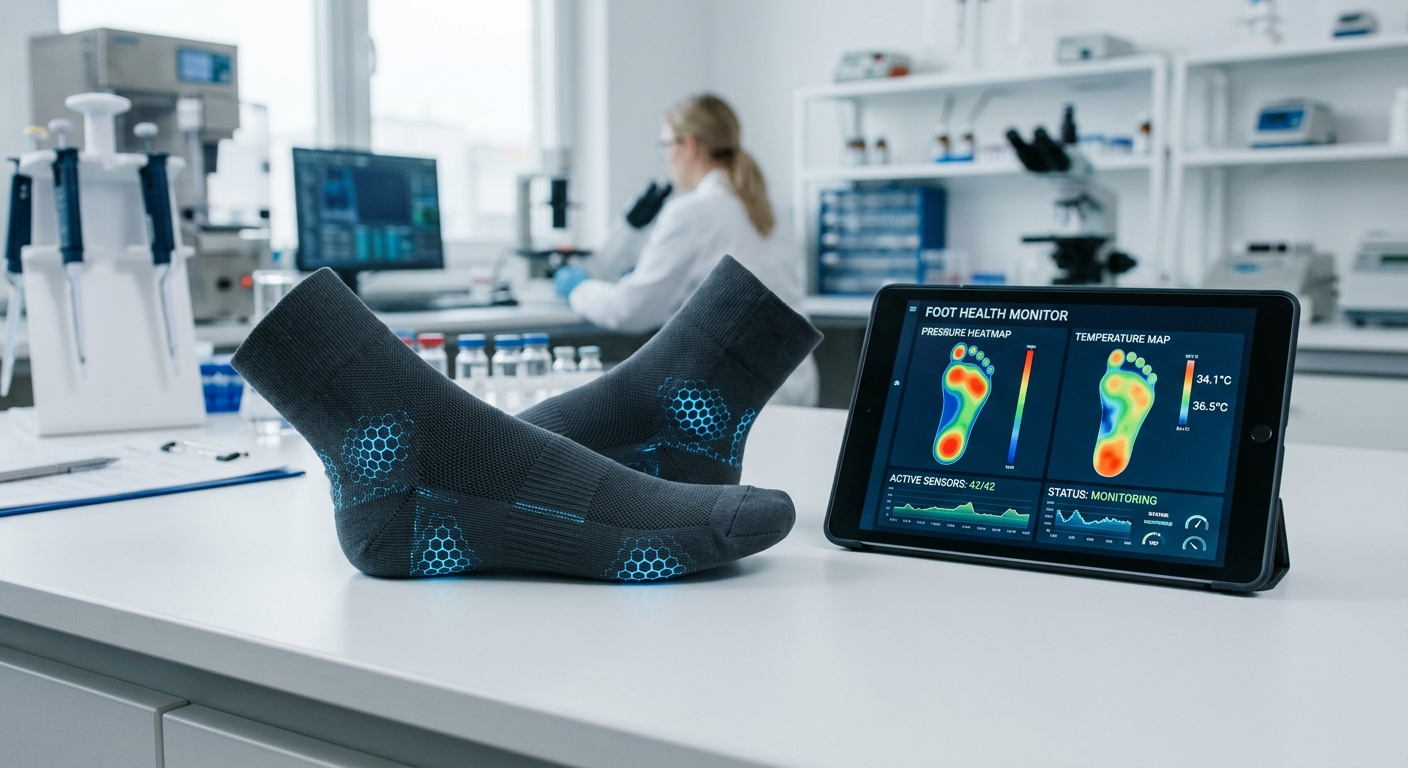
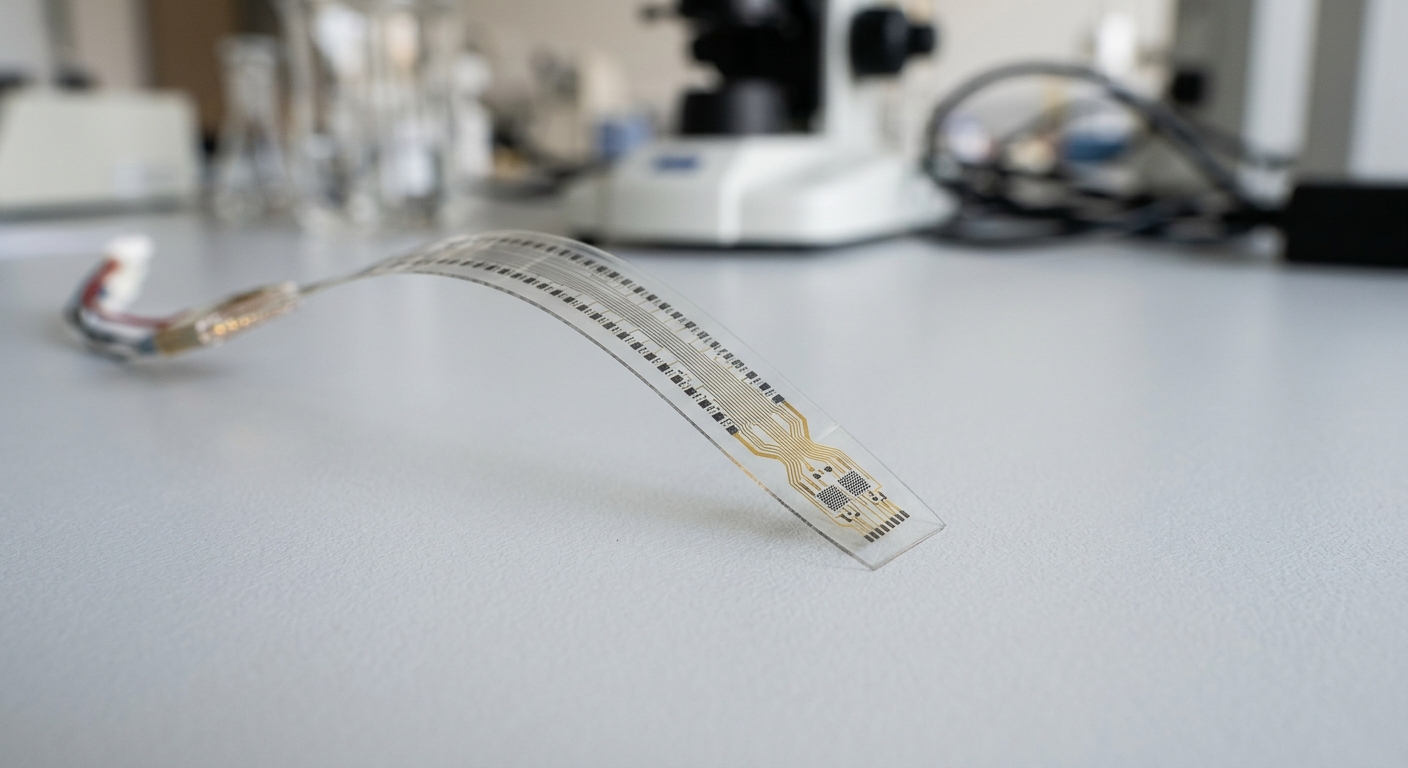
The institute has contributed to advances in flexible electronics, high-performance composites, biosensors, and energy materials. It also trains the next generation of scientists and engineers, ensuring that expertise in two-dimensional materials continues to expand.
Advantages of a National Institute Model
- Accelerates translation from research to industry
- Centralizes high-cost, high-precision equipment
- Encourages interdisciplinary collaboration
- Attracts global talent and partnerships
- Strengthens national technological leadership
Limitations and Challenges
- High operational and maintenance costs
- Dependence on sustained public funding
- Balancing academic freedom with commercial priorities
- Managing intellectual property across partners
These challenges are inherent to any large-scale research infrastructure. However, the NGI’s integrated model has proven resilient and productive.
Safety, Ethical, and Environmental Notes
Research conducted at the NGI adheres to strict safety and environmental standards. Graphene handling protocols minimize exposure risks, while waste and emissions are tightly controlled. Ethical frameworks guide data use, collaboration, and commercialization.
By centralizing best practices, the institute sets benchmarks for responsible nanomaterials research worldwide.
Future Outlook
The National Graphene Institute continues to evolve as graphene moves closer to everyday applications. Future work will expand into quantum devices, advanced energy systems, and bio-integrated electronics.
The moment of its opening in 2015 will remain historically significant: it marked the transition of graphene from discovery to infrastructure. The institute stands as a gateway between atomic-scale science and global technology.
Frequently Asked Questions
Who opened the National Graphene Institute?
The National Graphene Institute was officially opened on 20 March 2015 by George Osborne, then the UK Chancellor of the Exchequer.
Where is the National Graphene Institute located?
It is located at The University of Manchester in Manchester, England.
Why was the NGI created?
It was established to accelerate the translation of graphene research into commercial technologies by uniting academic and industrial research in one facility.
What makes the NGI unique?
The institute combines cleanrooms, advanced laboratories, and industry collaboration spaces within a single integrated environment.
Does the NGI influence global graphene research?
Yes. It attracts international researchers and companies, shaping the direction of graphene development worldwide.