What Is the Best Graphene Ceramic Coating?
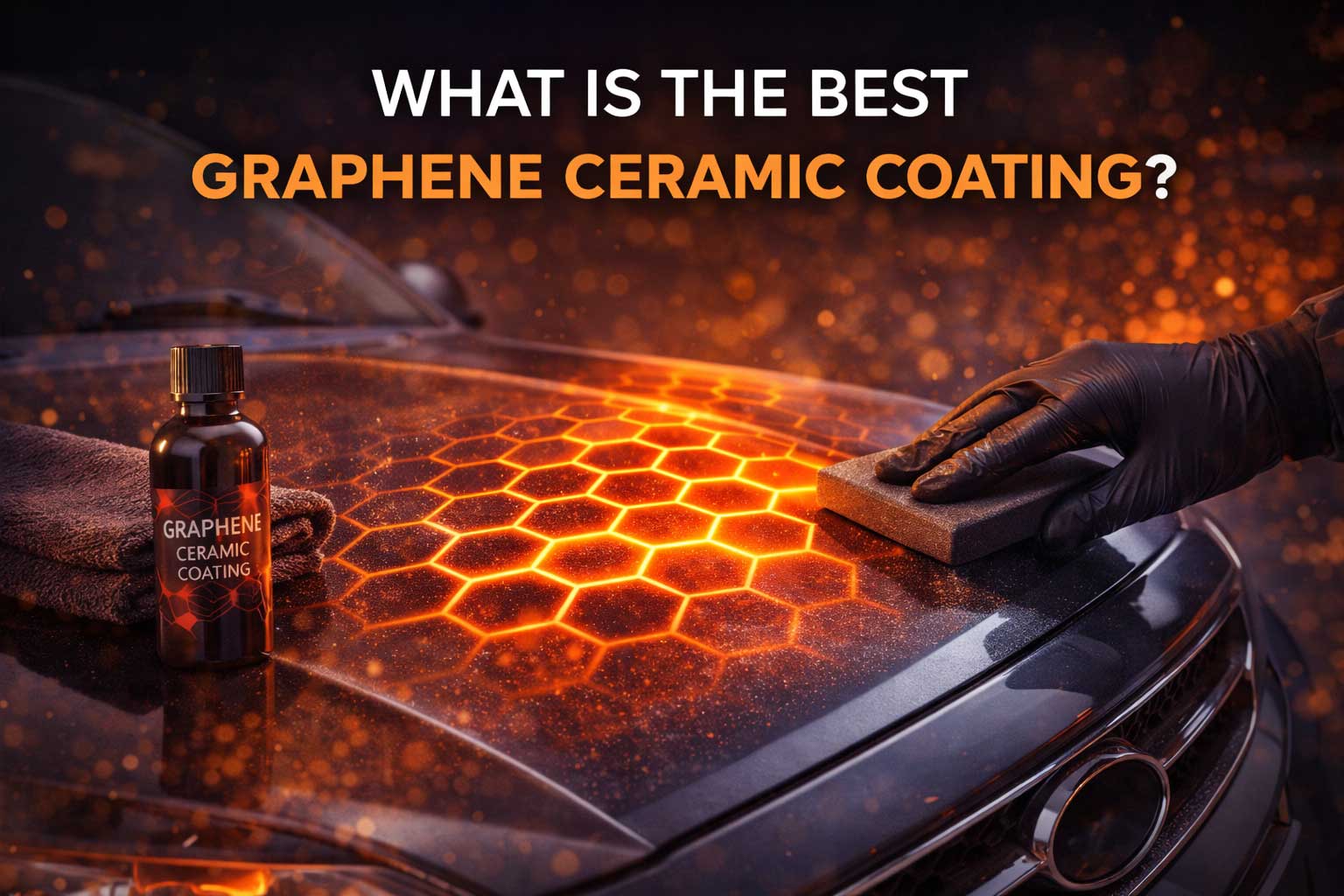
Graphene ceramic coatings are advanced protective layers that combine graphene’s unique nano-properties with ceramic durability to protect surfaces from scratches, heat, chemicals, contaminants, and UV damage.
This article explains what graphene ceramic coatings are, how they differ from traditional ceramic coatings, key performance features, applications, and how to choose the best coating for your needs.
Definition
A graphene ceramic coating is a surface protection product that blends graphene or graphene derivatives with a ceramic (often silica-based) matrix. These coatings form an ultra-thin, transparent, highly durable layer that significantly enhances surface resistance and performance compared to conventional sealants or waxes.
Graphene enhances the ceramic network by improving strength, thermal conductivity, hydrophobicity, and chemical resistance.
Composition and Structure
Graphene ceramic coatings contain:
- Graphene nanoplatelets or sheets
- Ceramic binders, typically SiO₂ or SiO₂ + TiO₂
- Solvent carriers for spray or applicator use
- Additives for adhesion, durability, and surface tuning
The nano-scale graphene spreads within the ceramic matrix, reinforcing it and tuning properties like gloss, hardness, and hydrophobicity.
How Graphene Ceramic Coatings Work
When applied and cured, the graphene ceramic coating creates a bonded molecular layer on the surface. This layer:
- Acts as a barrier against contaminants
- Resists chemical etching
- Improves scratch and abrasion protection
- Enhances water beading and self-cleaning
Graphene contributes by strengthening the matrix, improving heat dissipation, and enhancing chemical resistance beyond what standard ceramics alone can achieve.
Key Properties to Consider
- Hardness — surface resistance to physical damage
- Gloss and optical clarity — aesthetic impact
- Hydrophobicity — water beading and ease of cleaning
- Chemical resistance — protection against acids and contaminants
- Heat tolerance — stability under high temperatures
- Durability — how long the coating lasts
Applications and Use Cases
- Automotive paint protection
- Motorcycle and bicycle parts
- Marine and boat surfaces
- Aircraft exterior protection
- Industrial equipment exposed to corrosion
- Electronics housings and heat-sensitive surfaces
- Architectural glass and façade protection
What Makes a High-Performance Graphene Ceramic Coating?
The best graphene ceramic coatings typically exhibit:
- Strong, uniform graphene dispersion in the ceramic matrix
- High hardness and chemical resistance ratings
- Excellent adhesion to diverse substrates
- Consistent hydrophobic performance
- Proven heat tolerance
- Long service life (often 2–5+ years)
How to Choose the Right Coating
To select the best graphene ceramic coating for your application:
- Determine your primary need (protection, gloss, hydrophobicity)
- Check compatibility with surface type (paint, metal, glass, plastic)
- Evaluate durability claims and independent test results
- Follow proper surface prep (decontamination, polishing) before application
- Consider professional installation for long-lasting results
Advantages Over Traditional Ceramic Coatings
- Enhanced mechanical strength
- Better heat dissipation
- Greater chemical resistance
- Often improved hydrophobicity
- Potentially longer protection lifespan
Limitations and Challenges
- Higher cost than basic ceramic coatings
- Performance varies by formulation quality
- Requires expert surface preparation
- Not a substitute for paint correction if surface is heavily damaged
Safety, Environmental, and Ethical Notes
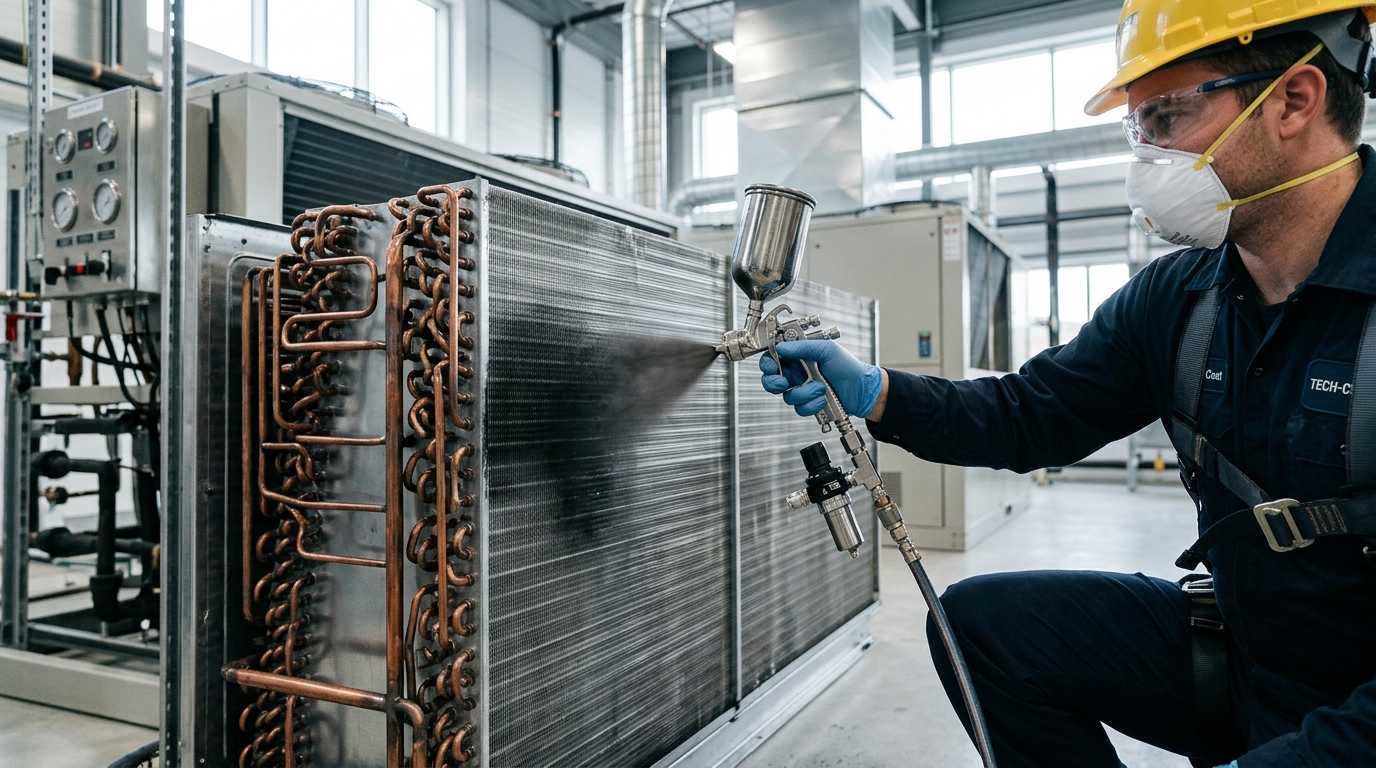
Graphene ceramic coatings should be applied in well-ventilated areas using gloves and masks as with all chemical surface treatments. Follow manufacturer safety data sheets (SDS) for safe handling.
Environmentally, high-durability coatings can reduce the frequency of repainting and reapplication, lowering waste and chemical runoff.
Future Outlook
Graphene ceramic coatings are becoming increasingly popular in automotive, aerospace, marine, and architectural protections due to their ability to combine strength, gloss, and longevity. As research advances, we can expect even more tailored graphene-enhanced formulations for specific surface needs.
Frequently Asked Questions
What is a graphene ceramic coating?
A surface protection coating that combines graphene with ceramic materials to enhance durability, hydrophobicity, and resistance.
Are graphene ceramic coatings better than regular ceramic coatings?
They can offer enhanced mechanical strength, heat tolerance, and chemical resistance compared to traditional ceramics alone.
Where are these coatings used?
Automotive paint protection, marine surfaces, industrial equipment, aerospace, and architectural applications.
Do graphene coatings prevent scratches?
They improve surface resistance but cannot prevent all scratches; proper care is still needed.
How long do they last?
High-quality coatings may last multiple years with proper preparation and maintenance.