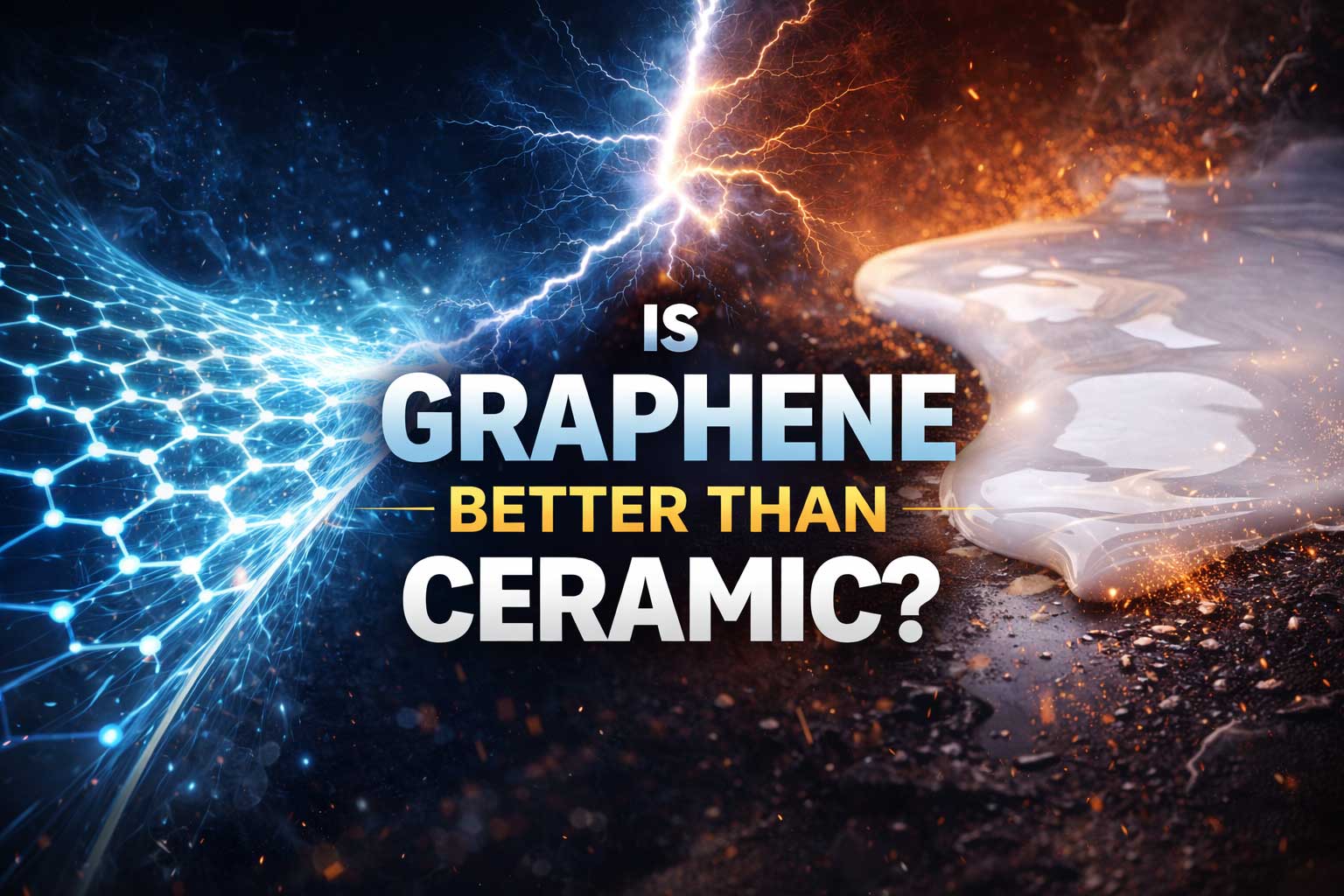
Is Graphene Better Than Ceramic?
For years, ceramic coatings have been the gold standard for protecting cars, screens, and surfaces from wear, heat, and damage.
Now, a new contender has arrived—graphene. Lighter, stronger, and more advanced at the atomic level, graphene promises a new era of surface protection.
What Is Ceramic Coating?
Ceramic coatings are liquid polymer solutions that bond chemically with a surface. Once cured, they form a hard, glossy layer designed to:
- Resist scratches
- Repel water and dirt
- Protect against UV damage
- Enhance shine
They are widely used in automotive detailing, electronics, and industrial surfaces because they provide a durable barrier against the environment.
What Is Graphene Coating?
Graphene coatings incorporate microscopic layers of graphene into a protective film. Unlike traditional ceramics, graphene operates at the atomic scale.
This allows it to:
- Distribute impact force across a surface
- Reduce heat buildup
- Increase flexibility without cracking
- Create an ultra-thin, uniform barrier
Graphene is not just a coating—it is a structural enhancement.
Graphene vs Ceramic: Key Differences
- Durability: Ceramic is hard but can crack under stress. Graphene flexes and resists micro-fractures.
- Heat Resistance: Graphene disperses heat more efficiently, reducing surface degradation.
- Thickness: Graphene layers are far thinner, preserving original surface texture.
- Longevity: Graphene coatings are engineered to outlast traditional ceramics.
Ceramic protects by creating a hard shell.
Graphene protects by strengthening the surface itself.
Real-World Applications
Graphene coatings are already being explored for:
- Automotive paint protection
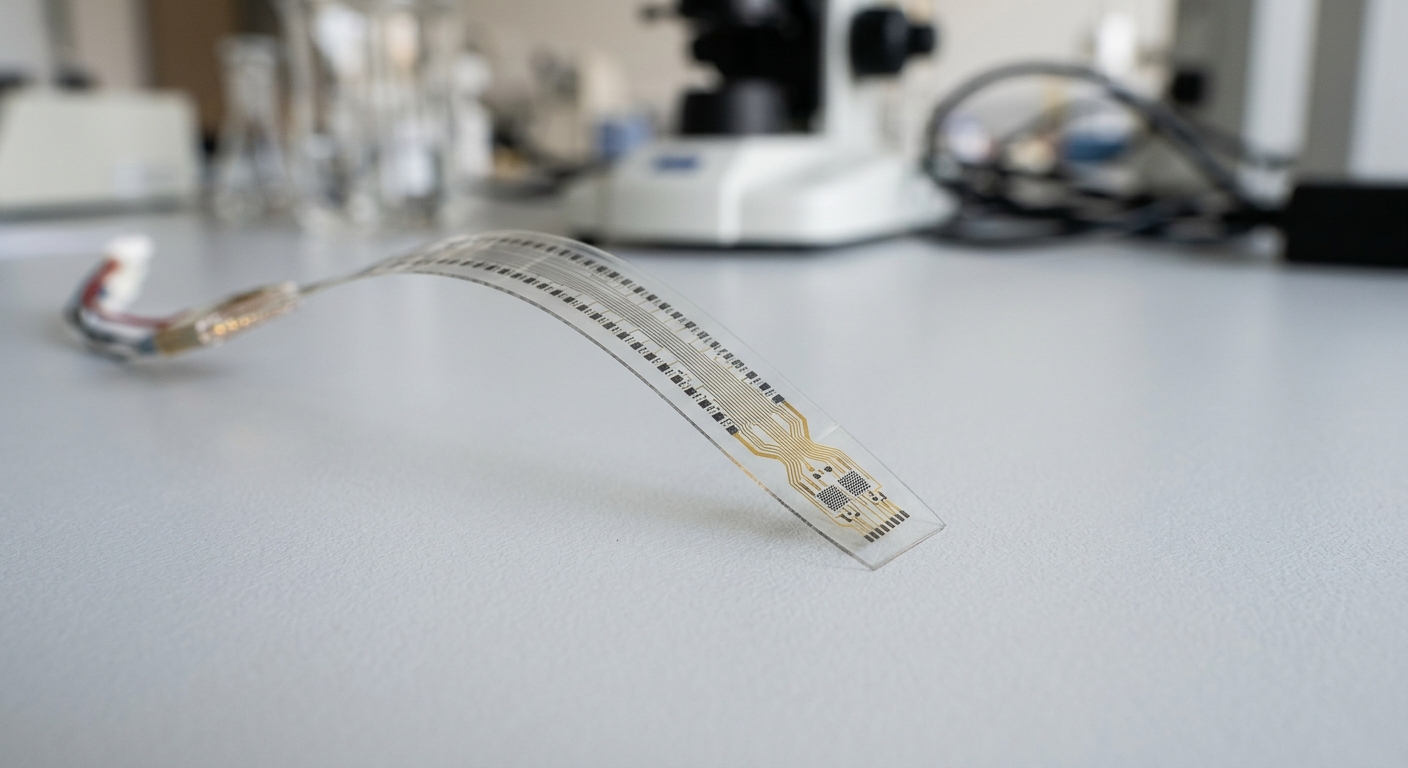
- Smartphone and tablet screens
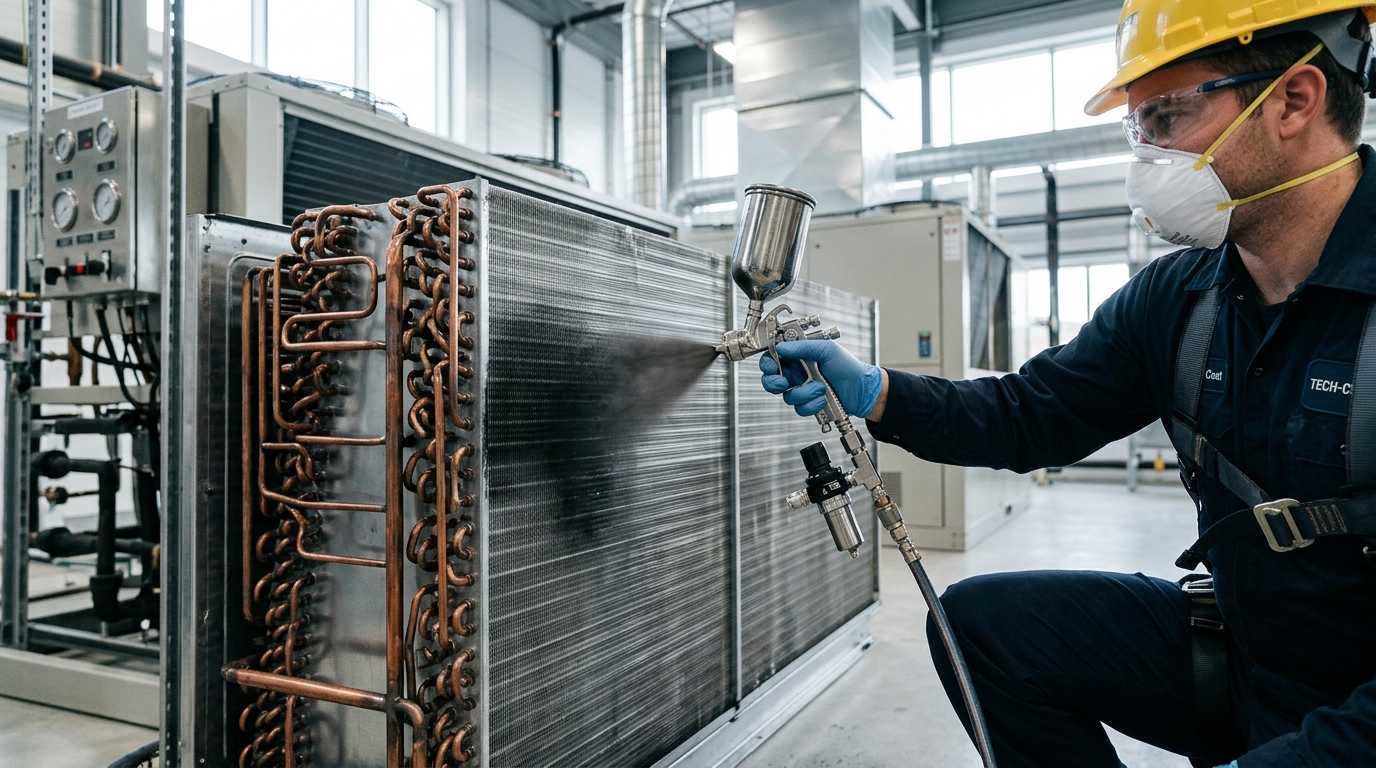
- Industrial equipment
- Medical devices
Where ceramic adds a layer, graphene integrates with the surface.
Is Graphene Truly Better?
Ceramic coatings remain effective, affordable, and proven. They are still an excellent choice for most consumers today.
Graphene, however, represents the next generation. It offers:
- Greater resilience under stress
- Improved thermal performance
- Longer service life
- Minimal added thickness
Ceramic protects.
Graphene evolves.
The Future of Surface Protection
As manufacturing scales and costs drop, graphene coatings are expected to replace many ceramic applications.
The future is not about adding harder shells—it is about making surfaces stronger at the atomic level.
Ceramic defined the last decade.
Graphene will define the next.
Frequently Asked Questions
Is graphene coating better than ceramic for cars?
Graphene coatings offer superior heat dissipation and flexibility, which can result in longer-lasting protection. Ceramic remains effective and more widely available.
Does graphene replace ceramic?
Not yet. Graphene is emerging and will gradually replace ceramic as production becomes more affordable.
Is graphene coating scratch-proof?
No coating is completely scratch-proof, but graphene improves resistance and reduces micro-damage.
Why is graphene more advanced?
It operates at the atomic level, distributing stress and heat instead of simply forming a hard outer layer.
Will graphene coatings become mainstream?
Yes. As manufacturing scales, graphene coatings are expected to become standard in automotive, electronics, and industrial protection.