How Much Does Graphene Cost in 2026? Price, Production, and Market Value
Graphene pricing can look confusing because “graphene” isn’t one standardized commodity. In 2026, prices vary dramatically based on the graphene form (nanoplatelets vs oxide vs CVD films),
quality targets (defects, layers, surface area), processing (powder, dispersion, film-on-substrate), and order volume.
This updated guide explains realistic price ranges, what drives the cost, which production methods are associated with which grades, and how to sanity-check supplier claims before you buy.
What Is Graphene?
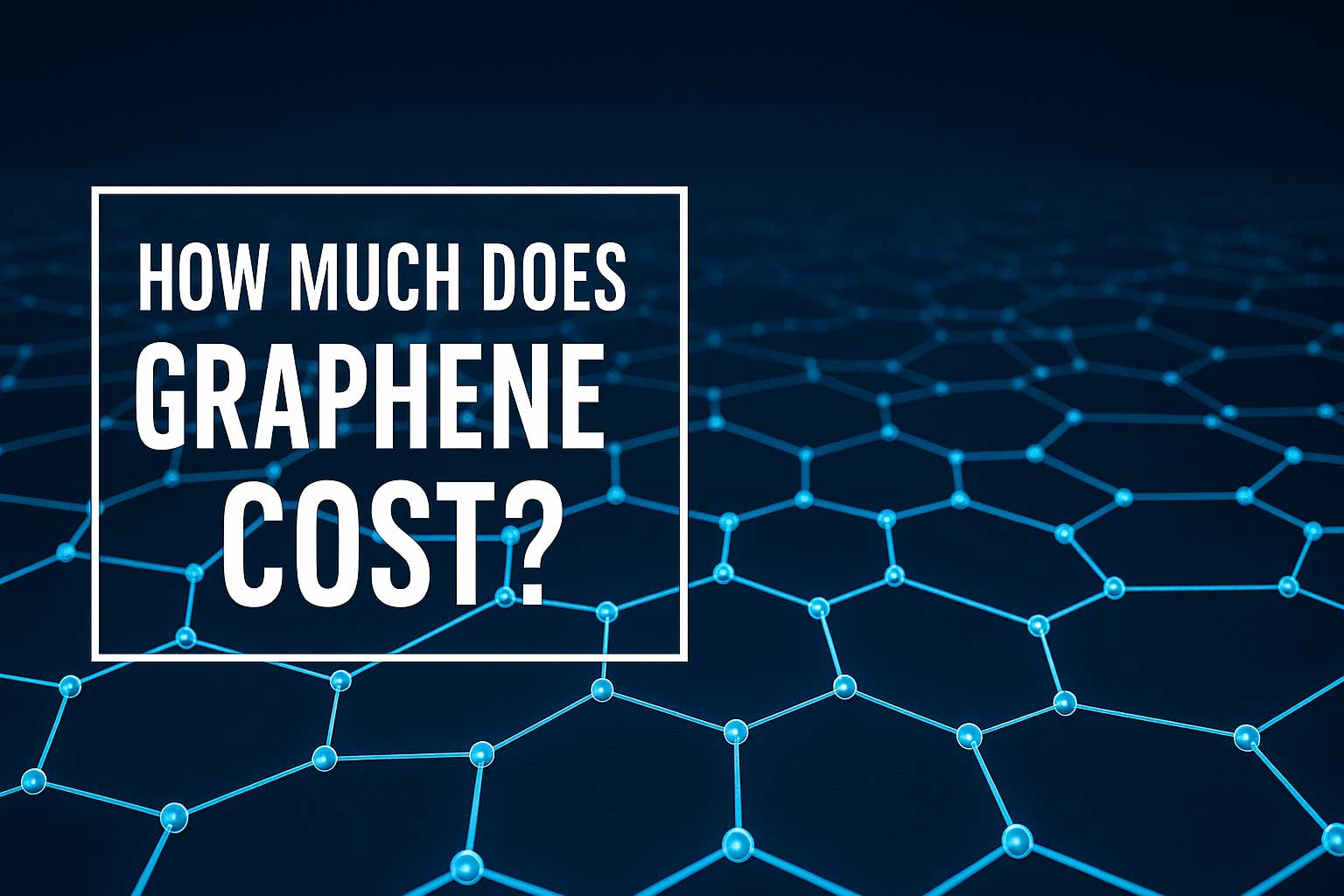
Graphene is a one-atom-thick layer of carbon atoms arranged in a hexagonal (honeycomb) lattice. It’s famous for exceptional mechanical strength, high electrical conductivity,
and strong heat-spreading ability. In real products, however, buyers usually purchase “graphene-family materials” such as graphene nanoplatelets (GNPs), few-layer graphene,
graphene oxide (GO), reduced graphene oxide (rGO), or CVD graphene films.
Graphene Price Snapshot (2026): Realistic Ranges by Type
A practical way to understand graphene cost is to separate industrial bulk materials from research-grade small quantities and specialty films.
Bulk prices are typically quoted per kilogram, while small-quantity research purchases may be quoted per gram. CVD films are often priced per sheet/substrate size.
| Graphene type | How it’s sold | Typical pricing reality in 2026 | Common use cases |
|---|---|---|---|
| Graphene nanoplatelets (GNPs) | Powder (bulk) or small-quantity jars | Bulk industrial pricing is often quoted in the tens of dollars per kg range, while smaller/lab quantities can be much higher per gram. | Composites, plastics, rubber, coatings, thermal fillers |
| Research-grade GNPs | Small quantity (grams) | Research or small-quantity purchases can be priced per gram (not per kg), which makes the “per gram” numbers look extreme compared with bulk. | R&D, prototyping, academic work |
| Graphene oxide (GO) / rGO | Powder or dispersion | Prices vary widely based on oxidation level, flake size, purity, and whether it’s a stable dispersion. | Membranes, inks, coatings, composites, functional chemistry |
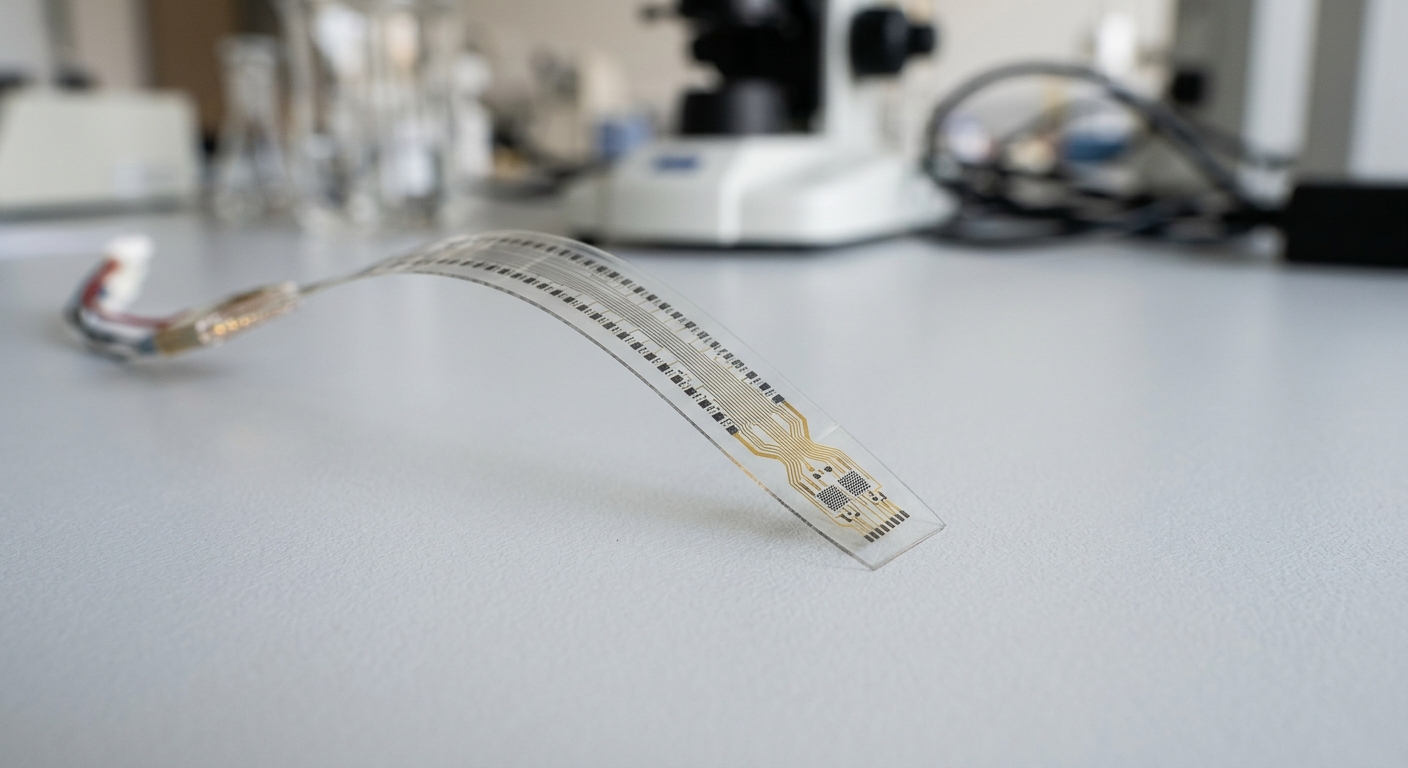
| CVD graphene films | Film on Cu / SiO₂/Si / other substrates | Often priced per sheet/substrate (not per gram). Cost depends on layer count, substrate, and transfer requirements. | Sensors, electronics R&D, transparent conductors, prototyping |
If you saw “$100–$1,000 per gram” online, that usually reflects specialty research materials or low-volume pricing—not bulk industrial supply.
In industrial markets, graphene is increasingly treated like a functional additive, and pricing reflects that reality.
Why Graphene Prices Vary So Much
1) The “graphene” label covers multiple materials
Graphene nanoplatelets, GO/rGO, and CVD films behave differently and are made differently. You can’t compare them as if they are interchangeable commodities.
Even within one category (like GNPs), thickness, flake size, surface area, and defect levels can change both cost and performance.
2) Quality targets and testing requirements
Buyers who need tight specifications (layer count, Raman metrics, conductivity targets, contamination limits) pay more—especially if they need certificates, batch consistency,
and repeatable production. This is common in electronics research and certain high-performance materials programs.
3) Form factor changes price
Powders are often the most cost-effective form for industrial mixing. Dispersions can cost more because the supplier has solved stability and handling.
Films on substrates are specialized products and are priced as engineered components, not bulk powders.
4) Volume is everything
“Per gram” pricing is usually a low-volume convenience price for labs. As you move to kilograms and then to multi-kilogram/tonne commitments, unit pricing can drop sharply.
That’s why graphene can look “expensive” in small jars while being far more reasonable as an industrial additive.
Production Methods (and How They Affect Cost)
Mechanical exfoliation (benchmark for quality, not scale)
Mechanical exfoliation can produce very high-quality graphene but is not typically used for mass production. It’s often associated with early-stage research and demonstrations.
Liquid-phase exfoliation (common for nanoplatelets and dispersions)
Liquid-phase exfoliation can produce graphene-family flakes at scale for composites and coatings. The cost depends on yields, purification steps, and whether the final product is a powder or a stable dispersion.
CVD graphene (common for films used in electronics and sensors)
Chemical vapor deposition grows graphene on metal foils or other substrates and is widely used to supply graphene films for R&D.
CVD is more “engineering-grade” and can command higher pricing because the product is sold as a film-on-substrate component rather than bulk powder.
Market Value: How Big Is the Graphene Market Heading Into 2026?
Graphene market forecasts vary by firm because definitions vary (some count only “graphene” while others include broader graphene-family materials and application categories).
Still, multiple research firms project strong growth through 2030 driven by composites, electronics, and energy storage.
- MarketsandMarkets projects the graphene market rising from around USD 1.22B (2025) toward USD 3.58B (2030).
- Grand View Research estimates a smaller base in 2023 but also projects substantial growth to ~USD 1.61B (2030).
The difference between these numbers doesn’t mean one is “wrong”—it usually reflects different scope choices. For buyers and builders, the useful insight is the shared direction:
demand is rising, more products are moving from pilots into commercial supply chains, and price pressure tends to move downward as production scales.
Buyer Checklist: How to Evaluate a Graphene Quote
- Specify the form: GNPs, GO/rGO, dispersion, CVD film on which substrate.
- Ask for key specs: layers/thickness, lateral size distribution, surface area, purity/ash, oxygen content (for GO), conductivity targets.
- Request consistency info: batch-to-batch control, QC method, and whether data is typical or guaranteed.
- Confirm volume pricing: per gram (lab), per kg (pilot), and multi-kg pricing tiers.
- Understand your process: dispersion quality often matters more than buying the “highest purity” label.
- Compare by performance, not hype: pick the grade that meets your mechanical/thermal/electrical target at the lowest total cost of ownership.
Challenges That Still Keep Graphene From Being “Cheap Everywhere”
- Quality consistency at scale: many applications need repeatable properties, not just “some graphene.”
- Dispersion and integration: graphene can clump; the real cost includes formulation work and process tuning.
- Standardization: industries still refine what to measure and how to compare materials fairly across suppliers.
- Application-specific ROI: graphene must beat cheaper alternatives (carbon black, CNTs, silica, metal fillers) for a given outcome.
Conclusion
In 2026, graphene cost depends less on a single “market price” and more on what you’re actually buying: bulk nanoplatelets for composites, functional GO/rGO for chemistry and membranes,
or engineered CVD films for electronics research. If you match the graphene type to your application, buy at the right volume tier, and verify specs that matter, graphene becomes far more
practical—and far less mysterious.
Frequently Asked Questions
- Why do some websites say graphene costs $100–$1,000 per gram?
-
That pricing usually refers to low-volume research materials or specialty grades sold in small jars. Bulk industrial graphene (especially nanoplatelets) is commonly priced per kilogram,
and the unit cost can be far lower at scale. - What’s the most affordable graphene form for manufacturing?
-
For many industrial users, graphene nanoplatelets (GNPs) are among the most cost-accessible options because they can be mixed into polymers, rubbers, and coatings as an additive.
Pricing improves significantly at kilogram and multi-kilogram volumes. - Why are CVD graphene films priced differently?
-
CVD graphene films are usually sold as engineered films on specific substrates (like copper foil or SiO₂/Si). They’re priced per sheet/substrate size rather than per gram,
and costs depend on layer count, substrate, and transfer/cleanliness requirements. - Does “higher purity” always mean better performance?
-
Not always. Many composite and coating applications care more about dispersion quality, layer thickness, and consistency than about maximum purity. Buying the right grade for your
process can outperform a “premium” material that disperses poorly. - Will graphene prices fall between 2026 and 2030?
-
As production scales and more suppliers compete, unit prices for common industrial grades tend to face downward pressure. However, premium electronics-grade materials and specialty films
may remain relatively expensive due to tighter specifications and processing requirements.